 Sarasota Roofing
 Roofing on Siesta Key: A Different Kind of Wear
Siesta Key sits right at the edge of the Gulf, and that location shapes everything about how a roof ages here. Homes on the Key take on a combination of stressors that inland Sarasota County properties simply don't see at the same intensity: constant salt-laden air, near-daily UV exposure, wind-driven rain that finds its way under poorly sealed flashing, and the real possibility of a direct hurricane hit. None of these factors are exotic or surprising to anyone who's lived here a while, but they add up faster than most homeowners expect, and they add up differently depending on the roofing material, the age of the home, and how the last roof was installed.
Sarasota Roofing Co works throughout Sarasota County, and Siesta Key is one of the barrier island areas where we spend a lot of time on inspections, repairs, and full replacements. The fundamentals of good roofing don't change from one neighborhood to the next, but the pace at which small problems turn into big ones on the Key is faster than inland, and that's worth understanding before you decide what to do about your own roof.
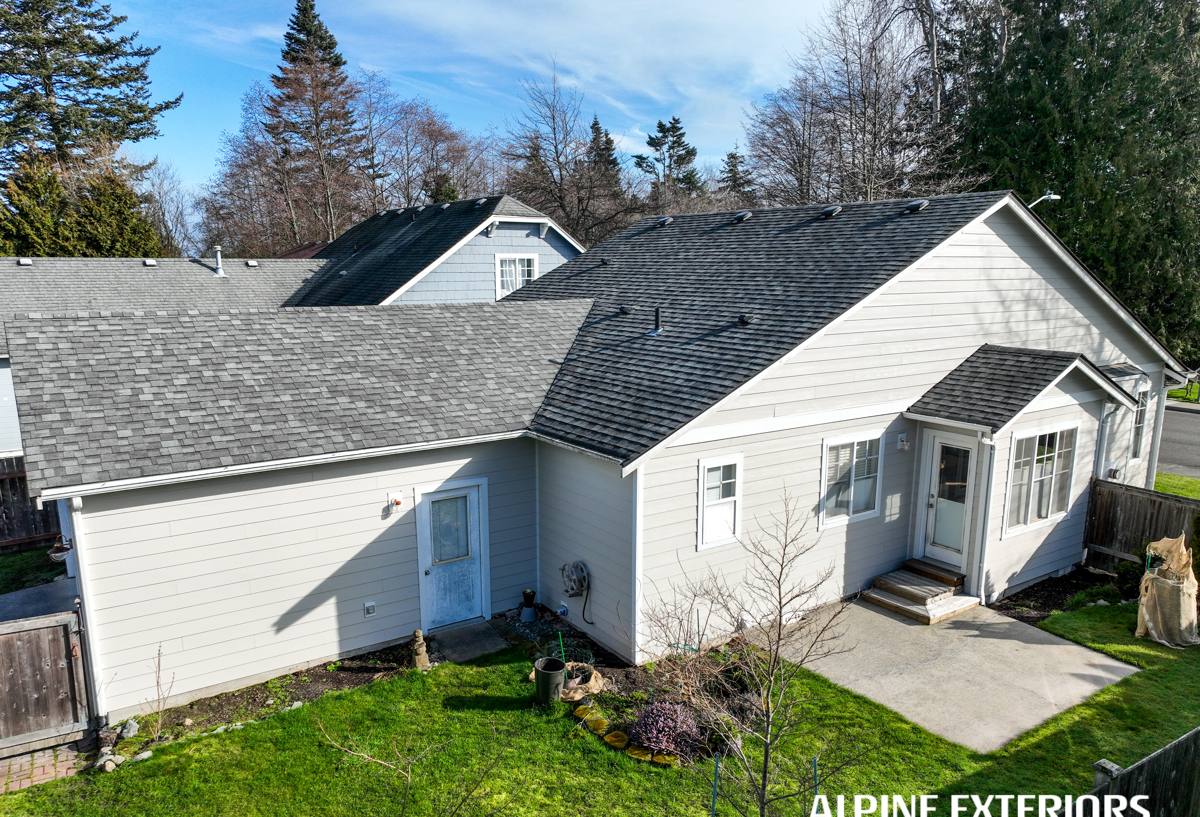
What Salt Air Actually Does to a Roof
Salt air is corrosive, and it doesn't discriminate much between metal fasteners, flashing, drip edge, gutters, or exposed hardware. On the Key, that corrosive exposure is more constant than in most of the county because homes are close enough to the water to catch salt spray carried on Gulf breezes almost year-round, not just during storms.
Where corrosion shows up first
- Exposed fasteners on metal roofing or flashing, especially if they weren't a marine-grade or coated fastener to begin with
- Galvanized flashing around chimneys, skylights, and roof-to-wall transitions
- Gutter hangers and gutter seams
- Any roof vents or pipe boots with metal components
The practical takeaway is that material selection and fastener selection matter more here than they would forty miles inland. It's not that standard materials "fail" — it's that a roof built to a coastal standard, with corrosion-resistant fasteners and properly lapped flashing, is going to outlast one built to a generic spec by a meaningful margin. We treat that as our standard for Key installations rather than an upgrade you have to ask for.
UV Exposure and Why Florida Roofs Age Faster
Florida gets more annual sun exposure than most of the country, and Siesta Key gets it with almost nothing to block it — few tall trees, open sky, and reflected glare off the water and white sand that adds to the UV load on a roof surface. Asphalt shingles lose oil content and granules over time under UV exposure; that's normal aging, but it happens faster under this much sun.
Tile and metal roofing handle UV differently than shingles do — they don't have the same oil-based wear mechanism — but UV still affects sealants, underlayment life, and any exposed adhesives used in the install. This is one of the reasons underlayment quality matters as much as the visible roof covering. A shingle roof with premium underlayment and proper attic ventilation will outlast one where corners were cut on the parts nobody sees, even if both use the same shingle on top.
Wind-Driven Rain: The Quiet Damage
Hurricane-force wind gets the headlines, but wind-driven rain during ordinary thunderstorms causes a steady trickle of damage that's easy to miss. When wind pushes rain sideways or at a steep upward angle, water can work its way under shingle tabs, through gaps at flashing laps, or into vent penetrations that would shed water fine in a calm, straight-down rain.
Common entry points we find during inspections
- Step flashing where a roof meets a wall or dormer
- Valleys where two roof planes meet and water volume concentrates
- Pipe boots and vent flashing with cracked or shrunken rubber collars
- Skylight curbs and the flashing kits around them
- Drip edge at the eaves, especially where it's been painted over or damaged by ladder contact
Most of these leaks don't show up as an obvious drip the first time water gets in. They show up months later as a stain on a ceiling, a soft spot in decking, or mold in an attic. That lag is exactly why we recommend a roof inspection after any significant storm, even one that didn't feel severe at ground level.
Hurricane Wind Load: Building for the Real Risk
Siesta Key homes need to meet Florida Building Code wind requirements for their zone, and coastal properties often fall into higher wind-speed design categories than inland Sarasota County addresses. That affects fastening schedules, underlayment type, and how shingles or tiles are secured, not just what they look like.
A few things we pay close attention to on Key roofs:
- Fastening pattern — proper nail count and placement per shingle, per code, not a shortcut pattern
- Secondary water barrier — a fully sealed underlayment layer that keeps water out even if the top layer is compromised
- Edge and perimeter detailing — roof edges and hips take the highest wind uplift forces, so detailing there gets extra attention
- Tile attachment — for tile roofs, adhesive foam or mechanical fastening rated for the wind zone, not a generic method
None of this is about scaring anyone into a bigger project than they need. It's about building or repairing a roof so it performs the way it's designed to when a real storm comes through, instead of failing at a weak point that could have been addressed ahead of time.
Repair, Recover, or Replace: How We Think Through It
Not every roofing problem on Siesta Key means a full replacement, and we're not going to tell you it does. A lot depends on the age of the roof, the extent of damage, and whether the underlying decking and structure are sound.
| Situation | Typical Approach | What We Check |
|---|---|---|
| Isolated leak, roof under 10 years old | Targeted repair (flashing, boot, shingle section) | Decking condition around the leak, source of intrusion |
| Multiple leaks or widespread granule loss | Full or partial re-roof | Overall shingle life left, underlayment condition |
| Storm damage after a named storm or severe thunderstorm | Inspection first, then repair or insurance-supported replacement | Wind uplift damage, hidden water intrusion, decking soundness |
| Roof approaching 20+ years (shingle) or original tile from an older build | Planning conversation about replacement timeline | Remaining service life vs. cost of continued repairs |
We'll always tell you honestly when a repair makes sense instead of pushing a replacement, and we'll tell you when a repair is really just delaying an unavoidable replacement so you can decide with real information instead of guesswork.
Materials That Make Sense for a Barrier Island Home
There's no single "best" roofing material for Siesta Key — it depends on your home's structure, your budget, and how long you want to go between major roofing decisions. What we do is talk through the real trade-offs rather than pushing one product.
Common options and honest trade-offs
- Architectural asphalt shingles — the most budget-friendly option, wide color range, but shorter lifespan under intense coastal UV and salt exposure than metal or tile; needs a coastal-rated underlayment package to perform well here
- Standing seam metal — excellent wind performance and long service life, but requires marine-grade or properly coated fasteners and trim to avoid corrosion streaking near the coast; higher upfront cost, lower long-term maintenance
- Concrete or clay tile — very durable against UV and wind uplift when properly fastened, but individual tiles can crack from impact or foot traffic and require careful underlayment since the tile itself isn't the primary water barrier
Whatever material you choose, we treat corrosion-resistant hardware and a robust underlayment system as the baseline for Key installations, not an add-on.
Beyond the Roof: Siding, Windows, and Decks in the Same Environment
The same salt air, UV, and wind that stress a roof stress the rest of a home's exterior too. Siding on Key homes deals with the same corrosion risk at fasteners and trim, and with UV fading on darker colors more than on inland homes. Windows facing the Gulf or open exposure take more direct wind-driven rain and benefit from impact-rated glass and properly sealed, code-compliant installation. Decks exposed to salt air and sun need fasteners and finishes chosen with that exposure in mind, or they'll show corrosion and wear well ahead of a similar deck built a few miles inland.
We handle all four — roofing, siding, windows, and decks — which matters on the Key because these systems interact. A roof leak can damage siding and framing below it. A poorly flashed window can mimic a roofing leak. Having one crew look at the whole exterior picture, rather than treating each system in isolation, tends to catch problems that a single-trade contractor might miss.
Why a Local Crew Matters Here
Sarasota County has its own permitting process, its own wind-zone requirements tied to location, and inspectors who know what a properly built coastal roof looks like. A crew that works this area regularly knows the permitting steps, knows what inspectors are looking for, and has already worked through the practical details of building to code on a barrier island rather than a standard inland lot.
Being local also means we can respond faster after a storm, when timing matters for preventing secondary damage like water intrusion or mold. And it means the advice you get is based on what actually happens to roofs and exteriors in this specific environment, not a generic playbook.
A Simple Homeowner Checklist for Siesta Key Roofs
- Have your roof inspected after any severe thunderstorm or named storm, even without visible damage
- Check attic spaces periodically for staining, dampness, or musty odor between scheduled inspections
- Keep gutters clear so water isn't backing up under the roof edge
- Ask what fastener and flashing materials were used if you're getting quotes — corrosion resistance should be standard, not optional, this close to the Gulf
- Know your roof's age and material so you can plan a replacement timeline instead of reacting to a failure
If you're dealing with a leak, storm damage, or just want an honest read on where your roof, siding, windows, or deck currently stand, we're glad to take a look. Fill out the form below for a free, no-pressure estimate from a crew that works this exact stretch of coast.