 Sarasota Roofing
 Why "20 Years" Doesn't Mean the Same Thing Here
Every roofing material comes with a manufacturer's lifespan rating, and every one of those ratings was tested somewhere that isn't Sarasota. A shingle rated for 25 years in a lab, or on a roof in Ohio, is not going to give you 25 years on a roof three miles from Sarasota Bay. That's not a knock on the product — it's just physics. Florida's combination of intense year-round UV, salt-laden air, wind-driven rain, and periodic hurricane-force wind loads is one of the harshest environments a roof can face in the continental United States. If you want an honest number for your own roof, you have to start from what actually happens to materials here, not what's printed on the warranty paperwork.
This page walks through realistic lifespan ranges by material, what's actually cutting years off Sarasota roofs, how to tell when yours is nearing the end, and what maintenance genuinely moves the needle versus what's a waste of money.
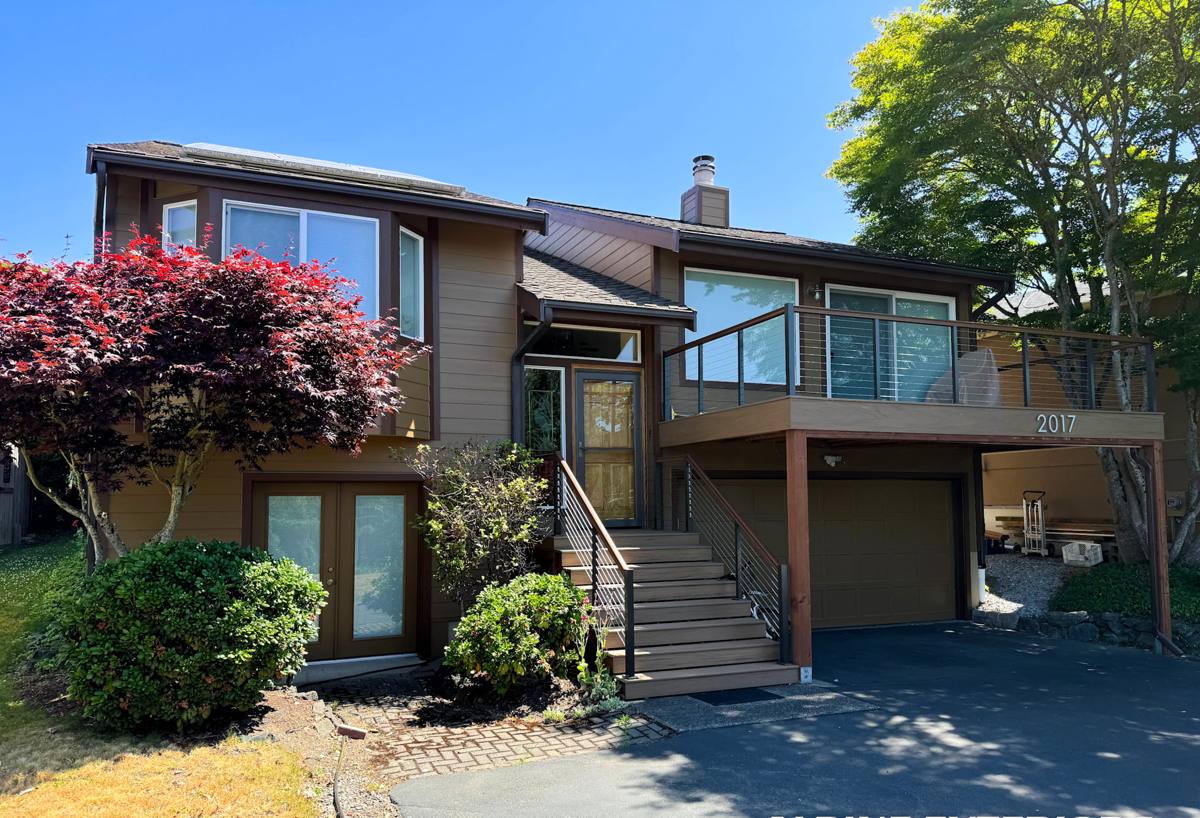
Realistic Lifespan by Material in Sarasota County
These ranges reflect typical performance for a roof exposed to our coastal climate and properly installed — not the best-case marketing number, and not a worst-case failure either.
| Material | Typical Lifespan Here | Main Weak Point Locally |
|---|---|---|
| 3-tab asphalt shingles | 12-18 years | UV breakdown, blow-off in wind |
| Architectural (laminate) shingles | 18-25 years | Granule loss from UV, seal failure in heat |
| Standing seam metal | 40-60+ years | Fastener/sealant maintenance, coating wear near the coast |
| Concrete or clay tile | 40-50+ years (underlayment often fails first) | Underlayment beneath the tile, not the tile itself |
| TPO / modified bitumen (flat/low-slope) | 15-25 years | Seam and flashing failure, ponding water |
Notice the tile row. This is the single most misunderstood lifespan number in the industry. The tiles themselves can genuinely outlast the house. But tile doesn't waterproof your roof — the underlayment beneath it does, and that underlayment is baking in attic heat and absorbing UV that bleeds through gaps for decades. A roof can look flawless from the street with tile that's structurally fine while the waterproofing layer underneath is well past due. Any straight answer about "how long will my tile roof last" has to separate those two questions.
What's Actually Shortening Roofs in Sarasota
UV Exposure
Sarasota gets sun intensity most of the country doesn't see. UV breaks down the oils and resins that keep asphalt shingles flexible and keeps degrading the granule coating that protects the mat underneath. Once granules wash away, the shingle underneath is exposed directly, and the aging process accelerates fast.
Salt Air
Being close to the Gulf and the bay means airborne salt settles on every roof surface, not just the ones with an ocean view. Salt accelerates corrosion on metal fasteners, flashing, and any exposed metal components — including the screws and clips holding down otherwise durable materials like standing seam metal or tile.
Wind-Driven Rain
Rain that comes in sideways during a storm doesn't behave the way rain falling straight down does. It gets pushed under shingle edges, up under tile, and into any flashing detail that isn't sealed perfectly. Over years, this is what causes slow leaks around chimneys, skylights, and roof-wall intersections long before the field of the roof shows any obvious damage.
Hurricane-Force Wind Events
Even a roof that isn't directly in a hurricane's path takes cumulative stress from tropical systems that pass through the area over its lifetime. Wind uplift works at edges and corners first, loosening shingle tabs, tile fasteners, and flashing a little more with every event — damage that's often invisible until it's a leak.
Heat Cycling
Attic temperatures under a Sarasota sun regularly climb well beyond outdoor air temperature. Materials expand in that heat and contract again at night, over and over, for years. That constant movement stresses seams, fasteners, and seals in ways that a cooler climate simply doesn't produce.
Signs Your Roof Is Nearing the End
Age alone isn't the whole story — a well-maintained roof can outperform its "typical" lifespan, and a neglected one can fail early. Here's what we actually look for:
- Granules collecting in gutters or at downspout outlets
- Shingles that look curled, cupped, or brittle at the edges
- Visible cracked, slipped, or missing tiles
- Rust staining or soft spots around metal flashing, vents, or valleys
- Daylight visible through the roof deck from inside the attic
- Dark streaking or persistent moisture stains on interior ceilings
- A soft or spongy feel anywhere when walked on
- Multiple past patch repairs clustered in the same area
Any one of these on its own might just mean a repair. Several at once, especially combined with a roof that's already near the upper end of its material's typical lifespan, is usually a sign it's time to start planning for replacement rather than reacting to the next leak.
Maintenance That Actually Extends Lifespan
Not all roof maintenance is worth the money. Here's what genuinely adds years, based on what we see failing versus what we see holding up:
- Keep gutters and valleys clear. Trapped debris holds moisture against the roof surface and accelerates material breakdown right at the spot it collects.
- Trim overhanging branches. Constant shade traps moisture and encourages algae and moss growth, and falling limbs cause impact damage during storms.
- Address small leaks immediately. A slow leak that sits for a season does far more damage to the deck and underlayment than the roofing material itself shows from outside.
- Check and reseal flashing periodically. Flashing around chimneys, vents, and wall intersections is almost always where failures start, and it's the cheapest thing to maintain proactively.
- Have the roof inspected after major storms. Wind and hail damage isn't always visible from the ground, and catching it early is the difference between a repair and a full section replacement.
- Ensure attic ventilation is working properly. Poor ventilation traps heat and moisture, which cooks shingles from underneath and can rot deck materials over time.
Insurance, Age, and What to Expect at Renewal Time
Roof age has become a bigger factor in Florida homeowners insurance than it used to be. Many insurers now ask for the roof's age and condition at renewal, and some will require an inspection or documentation once a roof passes a certain age threshold, particularly for older asphalt roofs. Coverage terms, premiums, and whether a company requires replacement before renewal all vary by carrier and by policy, so this is genuinely a conversation to have directly with your insurance agent rather than something we can generalize here. What we can tell you from the roofing side is that a documented inspection report — noting the roof's actual condition, not just its age — is often useful paperwork to have on hand when that conversation comes up.
Repair vs. Replace: How to Think It Through
This is one of the most common questions we get, and the honest answer depends on a handful of factors rather than a single rule of thumb.
| Factor | Leans Toward Repair | Leans Toward Replacement |
|---|---|---|
| Roof age | Well under typical lifespan for the material | At or near the upper end of typical lifespan |
| Damage location | Isolated to one area | Spread across multiple sections |
| Underlying deck | Sound, dry, no rot | Soft spots, moisture damage, or rot found |
| Leak history | First occurrence | Repeated leaks in different spots over time |
| Insurance/resale timing | No near-term sale or renewal concern | Upcoming sale, refinance, or insurance renewal requiring roof condition documentation |
A good inspection should give you a clear answer on where your roof falls, and an honest contractor will tell you when a repair is genuinely the right call rather than pushing a full replacement that isn't needed yet.
What to Look for When Choosing a Roofing Contractor
Because roof replacement is a significant investment and Florida's climate is unforgiving of shortcuts, who you hire matters as much as what material you choose. A few things worth confirming before you sign anything:
- Current Florida roofing license and general liability and workers' compensation insurance, verifiable directly rather than taken on faith
- A written estimate that specifies materials, underlayment type, fastening pattern, and warranty terms — not just a total price
- Manufacturer certification if you're being sold a product with an enhanced or extended warranty, since many of those warranties are void without it
- A permit pulled through Sarasota County or the local municipality, as required, rather than working without one
- A willingness to explain trade-offs between materials honestly, including maintenance burden and cost, rather than steering you toward the highest-margin option
The Bottom Line
There's no single honest number for "how long will my roof last" that applies to every house in Sarasota — it depends on the material, the installation quality, the maintenance history, and how much punishment that particular roof has taken from sun, salt, and storms over the years. What we can offer is a straight assessment of where your specific roof actually stands, based on what we find when we get up there, not what a warranty sticker says. If you're wondering whether your roof has years left or is due for a serious conversation, we're happy to take a look and give you a clear, no-pressure answer using the form below.