 Sarasota Roofing
 Fruitville sits inland enough from the Gulf to feel a little removed from the beach crowds, but the roofs and siding on Fruitville homes take the same beating as anywhere else in Sarasota County. Afternoon storms roll through nearly every summer day, the sun is relentless twelve months a year, and salt-laden air still finds its way this far inland on a steady sea breeze. Add hurricane season's wind gusts to that mix, and you've got a climate that ages exterior materials faster than most homeowners expect. We work on homes throughout this part of Sarasota regularly, and we've built our approach around what actually happens to roofs, siding, windows, and decks here — not a generic checklist written for a different climate.
What Fruitville's Climate Actually Does to a Home
Every exterior surface on a house is an engineered barrier against water, wind, and UV. In Fruitville, that barrier gets tested constantly.
Heat and UV
Florida sun breaks down roofing materials and siding finishes over time. Asphalt shingles lose their granules and become brittle. Vinyl siding can fade, warp, or grow chalky. Caulking and sealants dry out and crack years before they would in a milder climate. This is simple physics — UV radiation degrades polymers and oils in roofing and siding products, and Sarasota gets more direct sun exposure than most of the country.
Wind-Driven Rain
Florida storms rarely come straight down. Wind pushes rain sideways, which means water gets tested against every seam, flashing detail, and window opening on a house — not just the flat surfaces. A roof or siding system that would keep a house dry in a calm rain can fail during a wind-driven event if the details underneath aren't right. This is one of the most common reasons we find hidden water intrusion on inspections: the visible surface looked fine, but wind pushed water past a poorly sealed edge.
Salt Air
Fruitville isn't beachfront, but Sarasota County as a whole sits close enough to the Gulf that salt is carried inland on prevailing winds. Salt accelerates corrosion on metal fasteners, flashing, and hardware. It's a slower process than what beachfront homes deal with, but it adds up over a roof or siding system's lifespan, especially on materials or fasteners that weren't rated for coastal exposure in the first place.
Hurricane-Force Wind
Sarasota County's building code reflects the real risk of tropical storms and hurricanes making landfall or passing close by. Wind uplift on a roof, and wind pressure on siding and windows, is a design load — not a worst-case scenario. Materials, fastening patterns, and installation methods that meet current wind ratings aren't overkill for this area; they're the baseline.
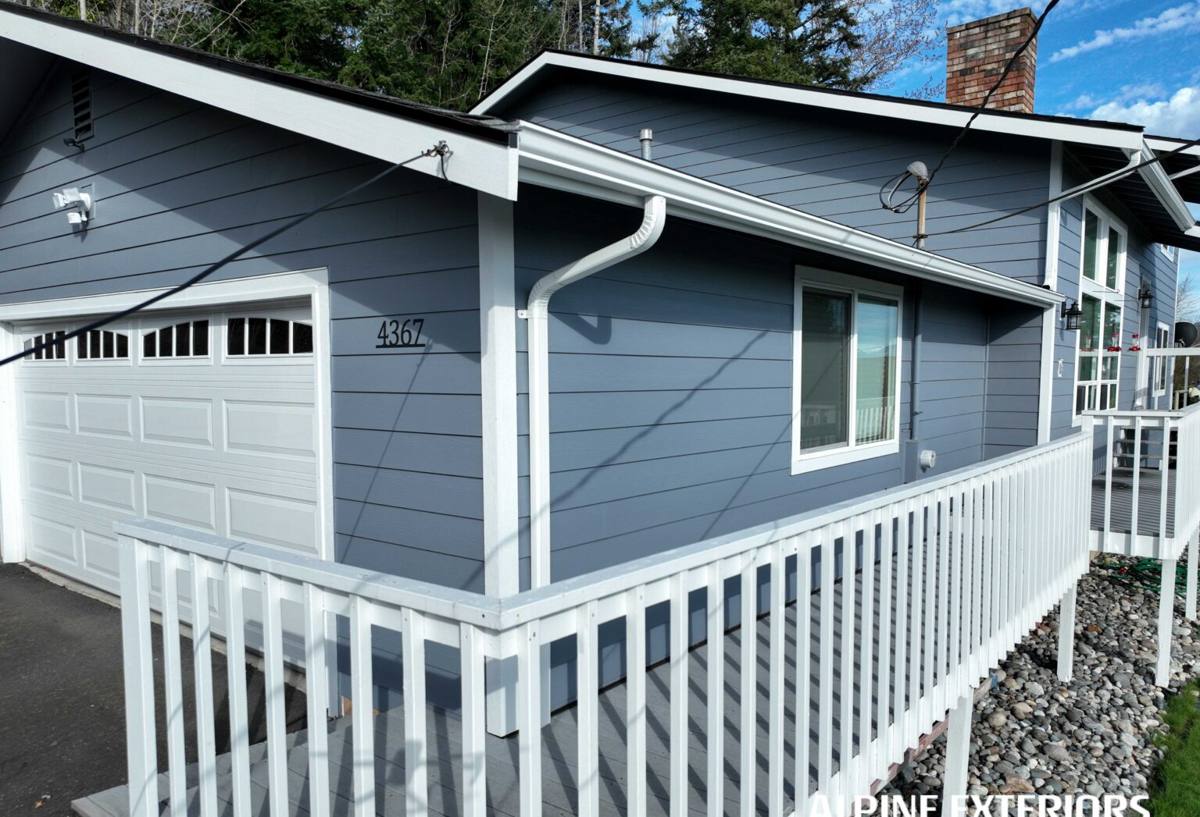
Roofing in Fruitville: What We Look At
A roof inspection here isn't just "any leaks?" We're checking for the specific failure points that show up on homes exposed to Sarasota County's combination of heat, wind, and rain.
- Shingle granule loss and brittleness from cumulative UV exposure
- Flashing condition around chimneys, vents, and roof-to-wall transitions, where wind-driven rain most often finds a way in
- Fastener corrosion, particularly on older roofs using standard (non-coated) nails or screws
- Underlayment condition, since the underlayment is often the last line of defense if the outer roofing material is compromised
- Ventilation, because poor attic airflow traps heat and moisture, shortening the life of the roof deck from underneath
- Overall wind rating relative to current Sarasota County code, especially on homes with an older roof that predates recent code updates
We work with asphalt shingle, metal, and tile roofing, and we'll walk you through the honest trade-offs of each rather than pushing whatever we happen to have on the truck that week. Metal roofing tends to hold up exceptionally well against wind and has a long service life, but it costs more upfront. Asphalt shingle roofing rated for high wind is a solid, cost-effective choice for most homes and remains the most common option in this area. Tile is durable and classic-looking but adds weight that the structure needs to be able to support, and individual tiles can crack from impact.
Siding: Matching the Material to the Exposure
Siding takes a different kind of abuse than roofing — less direct sun in some cases, but constant exposure to wind-driven rain at the wall plane and, near ground level, moisture wicking up from landscaping and irrigation. We install and repair fiber cement and vinyl siding, and we're honest about where each one fits.
Fiber cement siding holds up very well against Florida's humidity and heat cycling, doesn't warp, and takes paint well over the long term. It's a heavier, more labor-intensive install, which is reflected in the cost. Vinyl siding is more budget-friendly and low-maintenance, but lower-grade vinyl can become brittle and crack under UV exposure over the years, and it can deform in extreme heat if it's a poor-quality product or was installed without the right expansion clearance. We don't install every siding product on the market — we stick to lines with installation systems and warranty structures that hold up to independent scrutiny in a climate like this one, and we'll tell you plainly if a product a homeowner asks about isn't one we'd stand behind here.
Windows: The Other Half of the Water Barrier
Windows and doors are two of the most common places water enters a home during wind-driven rain, because they're a manufactured seam in an otherwise continuous wall or roof surface. Sarasota County's building code requires impact-rated or otherwise wind-load-rated windows in most residential applications, and for good reason — a compromised window during a storm isn't just a leak risk, it's a pressure risk for the whole structure.
When we replace windows, we're paying close attention to three things: the wind and impact rating relative to code, the flashing and sealant detail around the rough opening (which matters as much as the window unit itself), and proper drainage so any water that does get past the outer seal has somewhere to go instead of sitting in the wall cavity.
Decks: Built for Sun, Rain, and Humidity
Outdoor living is a big part of why people love this area, and a deck here needs to handle constant UV exposure, humidity, and regular rain without rotting, splintering, or fading prematurely. We build and repair both wood and composite decks. Wood decking is a classic look and can perform well when it's the right species, properly sealed, and maintained on a real schedule — but "properly sealed and maintained" is doing a lot of work in that sentence, and it's an ongoing commitment in this climate. Composite decking costs more upfront but resists moisture, fading, and insect damage without the annual sealing routine, which is why a lot of homeowners in this area are shifting toward it for lower long-term upkeep.
Comparing Material Options: Cost Factors
Every homeowner asks about cost, and the honest answer is that it depends on your specific home, the scope of work, and the material tier you choose. Here's a general comparison of the factors that drive cost and lifespan across common exterior materials in this climate — not fixed prices, but the trade-offs that should inform the decision.
| Material | Upfront Cost | Maintenance Needs | Typical Lifespan Here |
|---|---|---|---|
| Asphalt shingle roof (wind-rated) | Lower | Periodic inspection, moderate | 15-25 years depending on grade and exposure |
| Metal roof | Higher | Low | 40+ years with proper install |
| Tile roof | Higher | Moderate (individual tile repair) | 30-50 years for the tile itself, underlayment sooner |
| Fiber cement siding | Moderate to higher | Low to moderate (repaint cycle) | 25-40 years |
| Vinyl siding | Lower | Low | 15-30 years depending on grade |
| Composite decking | Higher | Very low | 25-30 years |
| Wood decking | Lower to moderate | High (annual sealing) | 10-20 years with consistent maintenance |
Lower upfront cost isn't automatically the better value once you factor in maintenance labor, repair frequency, and how a material's condition affects resale. We'll go over these trade-offs against your actual home and budget rather than steering you toward one tier by default.
Why a Local Crew Matters for Fruitville Homes
A roofing or siding crew that mostly works in a different climate — or a large out-of-area company running crews through on a route — doesn't have the same day-to-day feel for how Sarasota County's specific conditions affect installation choices. Knowing how deep to set a fastener for local wind load, which flashing details actually hold up against a wind-driven summer storm, and how quickly UV exposure ages a given product here isn't something you get from a spec sheet alone. It comes from working on homes in this county, in this climate, season after season, and seeing what holds up and what doesn't.
A local crew is also easier to hold accountable. If a question comes up two years after an install, you're not calling a national call center — you're calling the same company that did the work, still operating in the same county.
What to Check When Hiring a Roofing or Exterior Contractor
Whether you call us or someone else, a few basics protect you as a homeowner in Florida:
- Confirm current Florida contractor licensing and ask to see it — don't just take a company's word for it
- Verify active liability insurance and workers' compensation coverage
- Get a written estimate that specifies materials, wind rating where applicable, and scope of work — not just a bottom-line number
- Ask how the contractor handles permitting, since most roofing and structural exterior work in Sarasota County requires a permit
- Ask what the manufacturer's warranty covers versus what the installer's workmanship warranty covers — these are two different things and both matter
- Be cautious of a contractor pushing you toward a fast decision right after a storm; take the time to get it right
Storm Season Readiness
Hurricane season puts a real deadline on exterior maintenance in Sarasota County. A roof with early signs of wear, a section of siding with a failing seam, or a window with a degraded seal is a much bigger problem in a named storm than it is on an ordinary rainy day. We recommend homeowners in this area get an exterior inspection at least once a year, and definitely before hurricane season ramps up, so small issues get caught and fixed while they're still small and inexpensive.
If you're in Fruitville and want an honest look at what your roof, siding, windows, or deck actually need, we're glad to come take a look. There's no pressure and no obligation — just a straightforward assessment from a crew that works in this climate every day, using the form below to get started.