 Sarasota Roofing
 Roofing Built for Bradenton's Coastline
Bradenton sits along Manatee County's stretch of the Gulf Coast, just north of our home base in Sarasota. It's close enough that we're on your street the same day we're on our own, but the housing stock and the way weather hits it are distinct enough that a generic, one-size-fits-all roofing approach doesn't hold up. Homes here range from older block construction near the river and downtown corridor to newer builds further east and south toward the county line, and each era of construction handles wind, heat, and moisture differently.
What doesn't change is the climate itself. Hurricane-force winds during storm season, intense year-round UV exposure, wind-driven rain that finds every gap in flashing, and salt-laden air drifting in off the Gulf all put steady, compounding stress on a roof. None of these forces are dramatic on any single day — the damage shows up gradually, as a granule loss here, a soft spot there, a slow leak that only becomes obvious after the third or fourth storm.
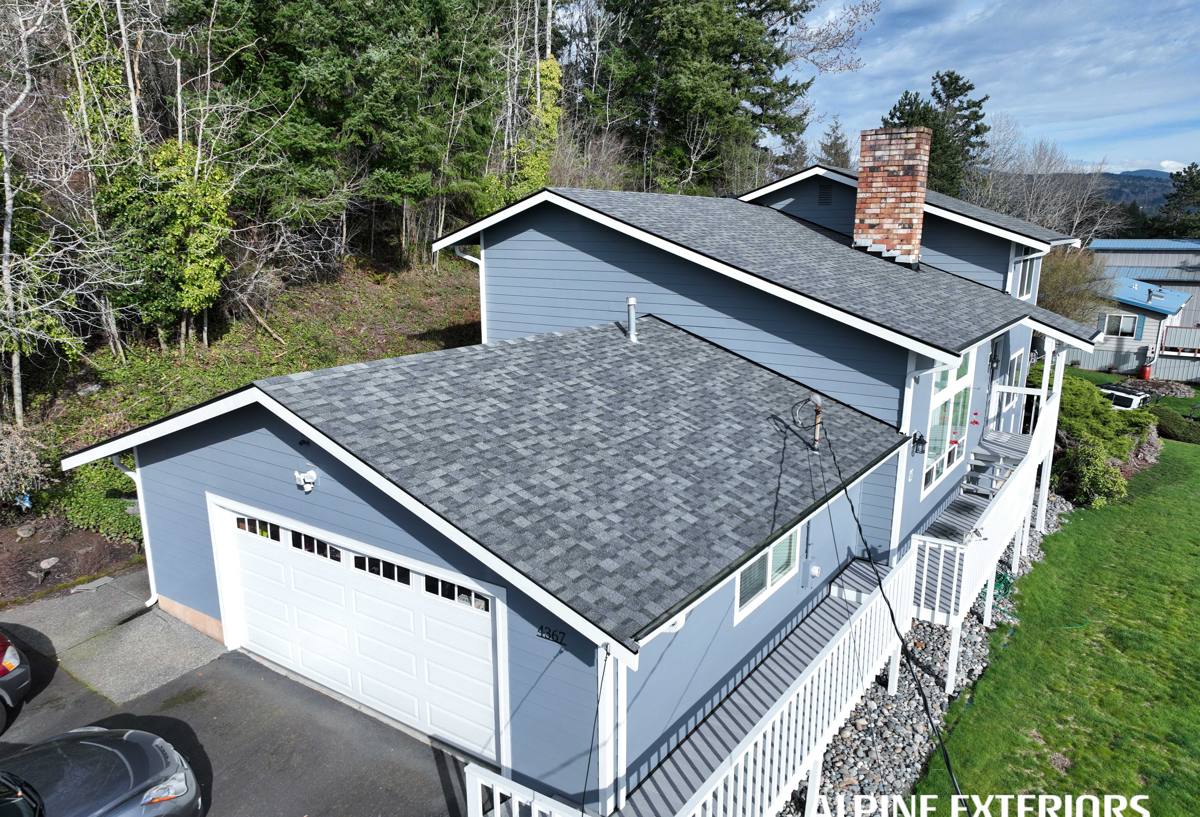
How Bradenton's Climate Wears Down a Roof
UV and Heat
Florida sun is relentless, and roofing materials are rated for it, but that rating assumes proper installation and ventilation. Shingles that sit on a poorly ventilated attic run hotter than their rating anticipates, which accelerates granule loss and asphalt brittleness. Over years, that shows up as curling edges and shingles that crack rather than flex when a storm pushes wind underneath them.
Wind-Driven Rain
A well-installed roof sheds rain that falls straight down without much trouble. The problem in this region is rain that's being driven sideways by sustained wind, which finds its way under improperly sealed shingle tabs, around vent boots, and through flashing that was installed to code minimums instead of best practice. Once water gets under the roofing surface, it can travel a surprising distance before it ever shows up as a stain on a ceiling.
Salt Air
Being close to the Gulf means metal components — fasteners, flashing, vent stacks, gutter hardware — are exposed to airborne salt that accelerates corrosion compared to inland areas. This is one of the most overlooked failure points on coastal roofs: the shingles can look fine while the metal underneath and around them is quietly rusting through.
Wind Uplift
Hurricane season puts direct pressure on every roof in Manatee County. The difference between a roof that survives a serious wind event with minor damage and one that suffers a full tear-off usually comes down to what's not visible from the ground: nailing pattern, underlayment quality, and edge/ridge detailing.
Roofing Materials That Make Sense Here
We don't push one material on every home. The right choice depends on your roof's pitch, your home's structure, your budget, and how long you plan to stay in the house. Here's how the common options stack up for a Gulf Coast property like the ones we see throughout Bradenton.
| Material | Typical Lifespan | Wind/Storm Performance | Considerations for This Area |
|---|---|---|---|
| Architectural asphalt shingle | 20-30 years | Good, with high-wind-rated products and proper nailing | Most economical; choose a wind-rated line and confirm proper fastening, not just code minimums |
| 3-tab asphalt shingle | 15-20 years | Fair | Lower upfront cost but less wind resistance and shorter service life in this climate |
| Metal (standing seam or coated panel) | 40-50+ years | Excellent | Higher upfront cost, but strong resistance to wind uplift and minimal maintenance; reflects heat well |
| Tile (concrete or clay) | 40-50+ years | Very good when properly fastened | Common on Florida homes; underlayment and fastening quality matter more than the tile itself |
| Flat/low-slope membrane (TPO, modified bitumen) | 15-25 years | Good when detailed correctly | Common on additions, lanais, and some ranch-style homes; seam and flashing quality is everything |
Whatever material you choose, we treat the underlayment, flashing, and ventilation as just as important as the visible surface. A premium shingle over poor underlayment will still fail early; a modest shingle over a properly detailed roof deck will often outperform expectations.
Roof Repair vs. Replacement
Not every problem calls for a full replacement, and we don't recommend one unless the numbers actually support it. As a general guide:
- Isolated leaks, a handful of damaged shingles, or flashing failures around a single penetration are usually repairable.
- Widespread granule loss, multiple leak points, or a roof past 70-80% of its expected lifespan often means repairs become a pattern of chasing the next failure.
- Storm damage covering a large portion of the roof, especially with exposed underlayment or deck damage, typically pushes the math toward replacement.
- Insurance timing matters too — after a significant regional storm, getting an honest, documented inspection early helps you understand your actual options before a claim decision is made.
We'll always give you a straight answer about which category your roof falls into, including when a repair is the smarter move even if a replacement would be the bigger job for us.
Siding, Windows, and Decks: The Rest of the Envelope
A roof doesn't fail in isolation — it's one part of a home's exterior envelope, and Gulf Coast conditions test all of it the same way.
Siding
Salt air and humidity are hard on siding materials that trap moisture behind them or degrade under constant UV exposure. We favor materials and installation details that manage moisture actively — proper house wrap, drainage planes, and flashing at every window and door opening — rather than relying on the siding surface alone to keep water out.
Windows
Impact-rated windows are worth serious consideration for Bradenton homes, both for storm protection and for the day-to-day benefit of reduced UV heat gain and outside noise. Proper installation and flashing matter as much as the window unit itself; a good window installed poorly is still a leak point.
Decks
Outdoor living structures take a direct hit from sun and moisture cycling. Fasteners and structural connectors are a common weak point in this climate — we pay close attention to corrosion-resistant hardware and proper ledger attachment, since those details matter more here than in drier climates.
Why a Local Crew Matters in Bradenton
Roofing companies that operate far outside the region tend to apply generic specs that don't account for local wind zones, salt exposure, or the specific permitting requirements in Manatee County. A crew that works this coastline regularly develops a feel for which details actually matter here: how tight the nailing pattern needs to be on an exposed corner lot, which flashing details tend to fail first on older homes near the water, and how local permitting and inspection processes actually run in practice.
Being based nearby also means we're not disappearing after the invoice clears. If a question comes up two years later about a warranty item or a new leak after a storm, you're calling a company that's still working in the area, not chasing down a crew that came through once from out of state.
Maintenance That Actually Extends Roof Life Here
Most premature roof failures we see aren't caused by bad materials — they're caused by small issues that went unaddressed for years. A little attention goes a long way in this climate.
- Have your roof inspected after any named storm that produced sustained high winds in your area, even if you don't see obvious damage from the ground.
- Keep gutters clear so water isn't backing up under the roof edge during heavy rain.
- Check attic ventilation periodically — poor airflow accelerates heat damage to shingles and shortens their usable life.
- Have flashing around chimneys, skylights, and vent penetrations checked every few years, since these are the most common leak origins.
- Address small leaks immediately rather than waiting to see if they get worse — trapped moisture damages decking and insulation long before it shows up as a ceiling stain.
- Trim overhanging tree limbs that can drop debris or abrade shingles during wind events.
What to Expect When You Call Us
We start with an honest inspection, not a sales pitch. That means walking the roof (or using a drone where a walk isn't practical or safe), documenting what we find with photos, and explaining what's actually going on in plain language — what needs attention now, what can wait, and what's simply cosmetic. If insurance is part of the conversation, we'll give you documentation that reflects the real condition of the roof, not an inflated damage report designed to force a claim.
Every estimate breaks down materials, labor, and any structural repairs separately, so you can see exactly what you're paying for and why. We're happy to walk through the material comparison table above in the context of your specific roof, budget, and timeline.
Get a Free Estimate
If your Bradenton home needs a roof inspection, repair, replacement, or you're weighing options for siding, windows, or a deck, we're glad to take a look and give you a straightforward assessment — no pressure, no obligation. Use the form below to request a free estimate and we'll get back to you to schedule a time that works.