 Sarasota Roofing
 Roofing in Laurel Park: Built for a Tougher Climate Than Most Places
Laurel Park sits close enough to downtown Sarasota and the bay that homeowners there deal with a specific mix of weather stress most of the country never sees. It isn't just one bad storm a year — it's the daily grind of intense UV exposure, the salt-laden air rolling in off the water, sudden wind-driven rain that finds every gap in flashing, and the occasional hurricane-force wind event that tests everything at once. A roof in this neighborhood isn't just shedding rain. It's fighting UV degradation twelve months a year, resisting corrosion from salt air, and needing to hold its seal against wind uplift that inland roofs rarely experience.
That combination is why roofing here isn't one-size-fits-all. What works on a roof in Ohio or even in a drier part of Florida doesn't necessarily hold up the same way a few blocks from Sarasota Bay. We work on homes throughout Sarasota County, and Laurel Park's older, closer-to-the-water housing stock has its own set of recurring issues we see again and again.
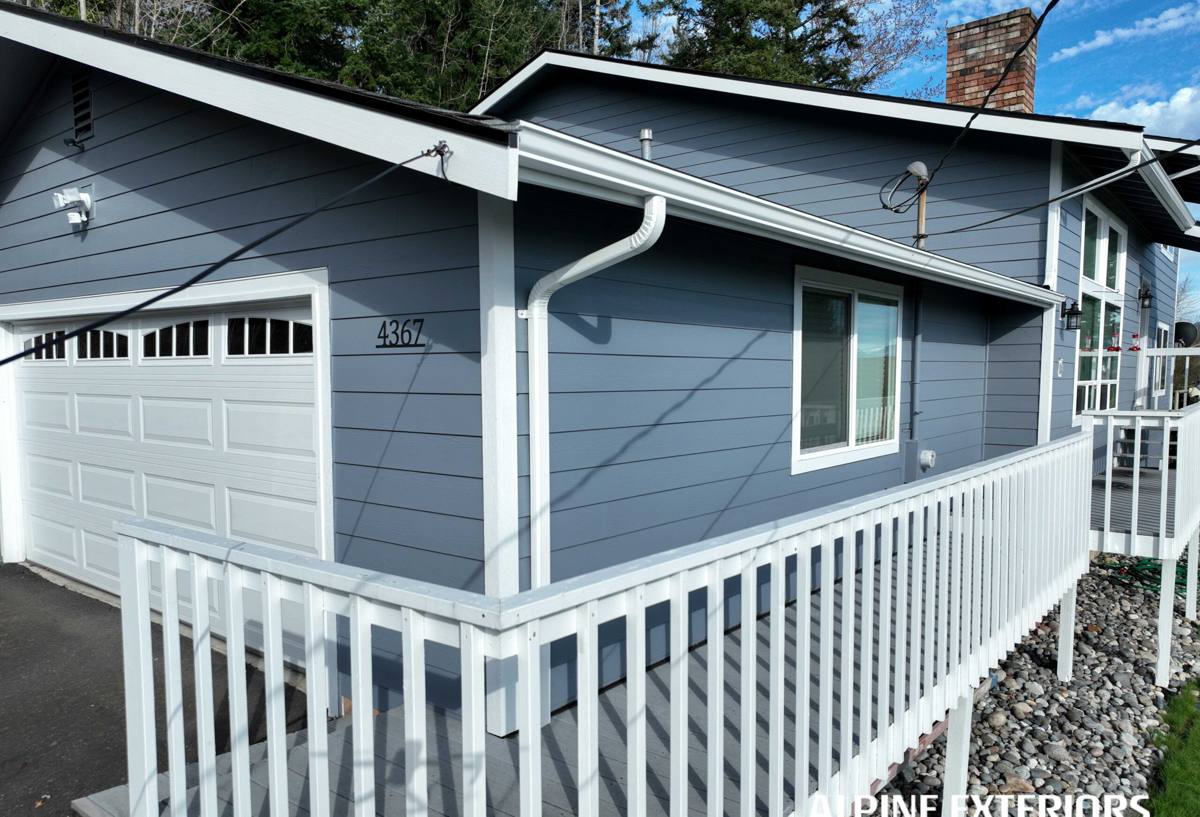
What Laurel Park Homes Tend to Face
Sun and Heat Damage
Florida sun is relentless, and it doesn't take a summer off. UV rays break down asphalt shingle granules over time, dry out underlayment, and cause tile roofs to develop hairline cracks as the material expands and contracts through daily heat cycles. On older homes in this part of Sarasota, we routinely find shingles that have lost enough granule protection to be visibly worn well before their rated lifespan is up.
Salt Air and Corrosion
Proximity to the bay means salt-laden moisture in the air, which accelerates corrosion on any exposed metal — nails, flashing, gutter fasteners, and vent stacks. Even coated metal panels aren't immune; the fastener heads and cut edges are usually where corrosion starts first. This is one of the biggest reasons roof hardware choice matters more here than it would forty miles inland.
Wind-Driven Rain
A lot of leaks we get called out for in this area aren't from a roof that's failing outright — they're from wind-driven rain finding a weak point during a storm that a calm-weather rain would never reach. That means flashing details around chimneys, skylights, roof-to-wall transitions, and valleys matter just as much as the field of the roof itself.
Hurricane-Force Wind Events
Sarasota County sits in a wind-borne debris region, and building code here reflects that. Roofs need to be able to handle uplift forces at the edges and corners, where wind pressure concentrates. Older roofs installed before current code updates often don't have the nailing patterns, starter strip details, or fastening schedules that today's code requires.
Signs Your Roof Needs a Closer Look
Most roof failures don't happen without warning. The trouble is that the warning signs are easy to miss from the ground. Here's what we tell Laurel Park homeowners to watch for between inspections:
- Granules collecting in gutters or at the base of downspouts
- Shingles that look curled, cupped, or have visibly lifted edges
- Dark streaking or staining, which often signals algae or moisture retention
- Soft spots on the roof deck when walked (a sign of trapped moisture underneath)
- Rust staining around vent boots, flashing, or exposed fasteners
- Visible daylight through the attic decking, or damp insulation
- Cracked or slipped tiles, especially after a windy stretch
- Any interior ceiling stains, even faint ones — they rarely go away on their own
If you're seeing two or more of these, it's worth having someone walk the roof rather than waiting for a leak to show up during the next storm.
Roofing Materials: What We Install and Why
There's no single "best" roofing material for every home — it depends on your roof's pitch, your budget, how long you plan to stay in the house, and how much maintenance you want to take on. Here's an honest comparison of the main options we work with:
| Material | Typical Lifespan | Wind Performance | Maintenance Needs |
|---|---|---|---|
| Architectural Asphalt Shingle | 20-30 years | Good, with proper nailing and rated shingles | Moderate — periodic inspection, algae streaking is common near the coast |
| Concrete or Clay Tile | 40-50+ years | Very good when properly fastened; individual tiles can crack from impact | Low on the tile itself, but underlayment beneath it wears out well before the tile does |
| Standing Seam Metal | 40-60 years | Excellent when installed with proper clip spacing | Low, though fastener and edge details need periodic checking near salt air |
| 3-Tab Asphalt Shingle | 15-20 years | Fair — lower wind rating than architectural shingles | Higher — shows wear faster in intense UV and coastal conditions |
We steer most homeowners in this area away from lower-grade 3-tab shingles, not because they're a bad product in general, but because the combination of intense sun and coastal wind exposure here shortens their real-world lifespan more than it would somewhere with a milder climate. It's a maintenance and longevity trade-off we'd rather be upfront about before you buy.
Roof Repair vs. Replacement: How We Approach the Decision
Not every roof problem needs a full replacement, and we don't push one when a repair will genuinely hold up. The honest breakdown usually comes down to a few factors:
- Age relative to material lifespan — a 12-year-old architectural shingle roof with isolated flashing failure is a repair; a 22-year-old roof with widespread granule loss is not.
- Extent of the damage — localized issues (a section of tile, a flashing detail, a vent boot) are repairable. Damage spread across multiple roof planes usually isn't cost-effective to patch piecemeal.
- Underlying deck condition — if the roof deck itself has soft spots or rot, replacing shingles on top of it just delays the same problem.
- Insurance and wind mitigation considerations — a full replacement can sometimes qualify a home for better wind mitigation credits, which is worth discussing with your insurance agent alongside the roofing decision.
When we come out for an estimate, we'll walk you through which category your roof falls into and why — not just hand you a number.
Why a Local Crew Matters More Than It Sounds Like
It's easy to assume roofing is roofing anywhere you go, but a crew that works Sarasota County regularly brings a few concrete advantages:
Permitting and Code Familiarity
Sarasota County and the surrounding jurisdictions have their own permitting processes and wind-load requirements tied to the wind-borne debris region designation. A crew that pulls permits here routinely knows what inspectors are going to check and builds to that standard from the start, rather than learning it on your project.
Material Selection for This Exact Climate
Fastener grade, underlayment type, and flashing metal all need to hold up to salt air, not just wind and rain. A crew that only occasionally works near the coast may default to standard hardware that corrodes faster here than it would inland.
Faster Response When Storms Roll Through
When a named storm or a strong summer squall line comes through, local crews are the ones already positioned to respond to their existing customer base first. That's a real, practical reason to have an established relationship with a contractor before you need one urgently.
Beyond the Roof: How Siding, Windows, and Decks Fit Together
Roofs don't fail in isolation — the same climate stress hitting your shingles or tile is hitting the rest of your home's exterior at the same time. We handle siding, windows, and decks alongside roofing because they're all part of the same weather envelope:
Siding takes the brunt of wind-driven rain at the wall level, and failing caulk joints or damaged siding near the roofline often trace back to the same flashing issues we find on a roof inspection. Windows near the coast deal with the same UV and salt exposure, and old seals or non-impact-rated glass are a common weak point during wind events. Decks exposed to full sun and rain cycles need fastener and board choices that account for the same moisture and UV stress as the roof above them.
Looking at these together usually catches problems that get missed when each trade is handled separately — a leak that looks like a window issue might actually be a roof flashing problem, and vice versa.
Maintenance That Actually Extends Roof Life
A lot of roof replacement timelines get shortened not by the material failing, but by small maintenance items getting ignored. A few things worth doing on a regular basis:
- Keep gutters and downspouts clear so water doesn't back up under the roof edge
- Trim back overhanging branches that drop debris or hold moisture against the roof
- Have flashing around chimneys, skylights, and vent penetrations checked after any major storm
- Rinse off salt residue and algae buildup periodically rather than letting it accumulate
- Schedule a professional inspection at least once a year, and always after a significant wind event
None of this is expensive or time-consuming, but it's the difference between a roof that reaches its full rated lifespan and one that needs early intervention.
Getting an Honest Estimate for Your Laurel Park Home
Every roof in this neighborhood has its own history — different ages, different past repairs, different exposure depending on tree cover and orientation. We'd rather walk your specific roof and give you a straight answer about what it needs than sell you a generic package. If you're noticing warning signs, planning ahead for storm season, or just want a second opinion on something another contractor told you, we're happy to take a look. Reach out for a free, no-pressure estimate using the form below.