 Sarasota Roofing
 Why Siesta Key Puts Ordinary Siding to the Test
A home on Siesta Key doesn't face the same weather as one ten miles inland. Barrier island homes sit closer to salt spray, take the brunt of wind off the Gulf, and get more direct, unfiltered sun exposure across the year. Add in wind-driven rain during Sarasota County's storm season, and you have a combination that finds every weakness in a siding system fast — loose seams, soft trim, faded paint, swollen panels. Siding that would coast along for two decades in a drier, calmer climate can start failing in a fraction of that time out here.
That's the lens we bring to every siding job on the Key. It's not just about picking a good product; it's about detailing the installation so the product actually performs the way it's rated to, in this specific environment, on this specific home.
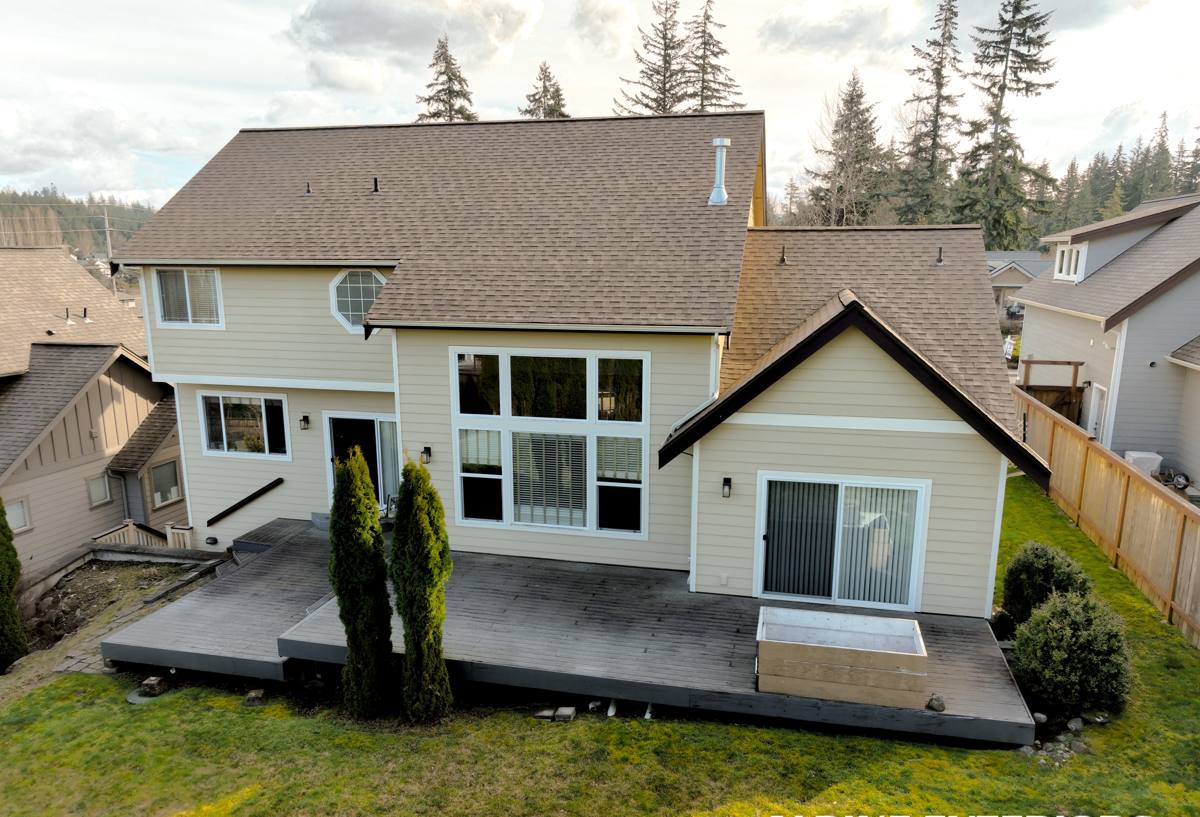
Why We Only Install James Hardie Fiber Cement
We install James Hardie fiber cement siding exclusively. We don't offer vinyl, LP SmartSide, primed wood, or other fiber cement brands, and that's a deliberate standard, not an oversight. Vinyl softens and warps under sustained heat and can crack in wind-driven debris; wood-based composite products depend heavily on keeping their edges sealed from moisture, which is a hard promise to keep in a salt-air, high-humidity environment. Fiber cement's mix of cement, sand, and cellulose fiber doesn't rot, doesn't feed insects, and doesn't expand and contract with humidity the way wood-based products do.
Hardie backs its coastal-rated products with engineering built around real climate zones, a factory-applied finish warranty, and a long track record on Florida homes specifically. When a product is engineered for the conditions a home actually faces, our installation work has something solid to build on.
Choosing the Right Hardie Products for a Barrier Island Home
Not all fiber cement specifications are equal, and product selection matters more on Siesta Key than it does a few miles inland. James Hardie rates its siding by climate zone, and homes in coastal Southwest Florida fall into the higher-moisture HZ5 category. HZ5 formulations are engineered with different moisture-management properties than the HZ10 product sold in drier northern markets — this isn't a marketing distinction, it changes how the board handles humidity and wind-driven rain over time.
For Siesta Key homes we typically spec:
- HardiePlank lap siding in a smooth or cedarmill finish for traditional coastal and Florida-style exteriors
- HardiePanel vertical siding for board-and-batten accents, gable ends, or a more contemporary elevation
- HardieTrim boards around windows, corners, and fascia, matched to the same climate-rated formulation as the field siding
- ColorPlus factory-applied finish, which cures under controlled conditions and carries its own finish warranty — a meaningful advantage over field-painted siding on a home that gets this much direct UV
Color and texture choices matter for curb appeal, but on this island the finish system matters more for durability. A factory-baked finish resists the fading and chalking that intense, near-constant sun exposure causes in field-applied paint over time.
What Correct Fiber Cement Installation Actually Involves
Fiber cement siding is only as good as the installation behind it. The material itself is durable, but the details — clearances, fastening, flashing, and joint treatment — are what determine whether it holds up to fifteen years of coastal weather or starts showing problems in three. Manufacturer specifications exist for a reason, and skipping them is the single most common cause of premature siding failure we see on inspections.
Correct installation on a Siesta Key home means:
- Maintaining proper clearance between siding and grade, roofing, decks, and other horizontal surfaces so water doesn't wick up into the board
- Installing a weather-resistant barrier and correctly lapped, sealed flashing at every window, door, and penetration
- Fastening with corrosion-resistant nails or screws driven to the manufacturer's specified depth and pattern — not just "close enough"
- Leaving factory-specified gaps at butt joints and trim connections, then sealing with a high-quality, paintable sealant rated for exterior movement
- Back-priming and sealing all field-cut edges before installation, since a raw cut edge is the fastest path for moisture intrusion
Every one of these steps is invisible once the job is finished. That's exactly why they matter — nobody notices correct flashing until the siding around a window has been dry for ten years, and nobody notices a skipped step until the wall behind it is already damaged.
Our Process, From Estimate to Finished Wall
Inspection and Moisture Check
Before we quote a Siesta Key siding job, we look past the surface. Coastal humidity and prior water intrusion can leave sheathing or framing soft behind siding that still looks fine from the driveway. We check for soft spots, prior flashing failures, and any signs of rot at windows, corners, and the base of walls, since replacing siding over compromised sheathing just locks the problem back in.
Substrate Prep and Flashing
Any damaged sheathing gets replaced, and a weather-resistant barrier goes on before a single piece of siding does. Flashing at windows, doors, and roof-to-wall intersections gets rebuilt to shed water correctly, lapped shingle-style from the bottom up, so water is always directed outward and down.
Installation to Manufacturer Spec
Siding, trim, and fasteners go on following James Hardie's published installation instructions for the HZ5 climate zone — fastener spacing, gap tolerances, and clearances included. This is also where product choice pays off: HZ5-rated boards are formulated to perform within these same specifications in a coastal, high-moisture environment.
Finish, Caulking, and Cleanup
Joints and trim connections are sealed with exterior-grade sealant, touch-up is applied where ColorPlus finish was field-cut, and the site is cleaned of debris and cutoffs before we walk the job with the homeowner.
Cost Factors for Fiber Cement Siding on Siesta Key
Every home is different, and we won't quote a number without seeing the job, but the same handful of factors drive most of the cost variation we see on Siesta Key projects:
| Factor | Why It Affects Cost |
|---|---|
| Existing siding removal | Tear-off and disposal of old vinyl, wood, or damaged fiber cement adds labor before new material goes up |
| Sheathing or framing repair | Moisture-damaged substrate found during removal needs to be replaced before installation can proceed |
| Home height and access | Multi-story homes and limited-access lots (common on the Key) require more staging, scaffolding, or equipment time |
| Trim and architectural detail | Homes with more corners, windows, gables, and accent features require more cutting, fitting, and flashing work |
| Product and finish selection | Panel style, texture, and ColorPlus color selection affect material cost per square foot |
| Site conditions | Waterfront and barrier-island access, staging space, and permitting requirements can add logistics time |
An accurate number only comes from a walk-through of the actual home, but these are the variables worth discussing up front so a quote doesn't come as a surprise.
Living With Fiber Cement Siding on the Island
One reason we recommend fiber cement for this specific location is how little ongoing maintenance it demands compared to wood or vinyl, but "low-maintenance" doesn't mean "no maintenance" — especially with salt air in the mix. A short seasonal routine keeps a correctly installed system performing for its full service life:
- Rinse the exterior periodically with a garden hose to clear accumulated salt spray and airborne debris, especially on walls facing open water or prevailing wind
- Walk the exterior after major storms and check caulking at trim joints and window edges for cracking or separation
- Keep gutters and downspouts clear so water is directed away from the base of walls rather than sheeting down the siding face
- Trim back vegetation and irrigation spray that keeps siding constantly damp or in direct contact with the wall
- Have any hairline caulk gaps or fastener issues addressed promptly rather than waiting for the next full inspection cycle
None of this is heavy lifting, and it's considerably less than what wood siding demands in this climate. It's simply the difference between a siding system that lasts and one that's left to fend for itself against salt air and sun.
Why It Matters That We Already Work This Area
Sarasota County's coastal zones carry wind-load and building code requirements that differ from inland construction, and barrier-island properties often add their own layer of access and permitting logistics — narrow streets, limited staging area, and in some cases HOA or community guidelines on exterior work. A crew that already works Siesta Key regularly has already worked through these details: they know how permitting typically runs for this area, how to stage a job on a tight coastal lot, and what wind-rating documentation local code officials expect to see for an exterior siding installation.
That familiarity isn't just convenience — it affects the finished product. A contractor who understands how this specific environment attacks siding builds in the right details the first time, rather than learning what the island demands the hard way, on your home.
Ready to Talk About Your Home?
If your Siesta Key home has siding that's fading, gapping, or showing water damage — or you're planning ahead for a full exterior refresh — we're happy to take a look and walk you through what correct James Hardie installation would involve for your specific house. Use the form below to request a free, no-pressure estimate.