 Sarasota Roofing
 Siesta Key Homes Face a Different Siding Environment Than Most of Florida
Siesta Key sits right where the Gulf meets Sarasota County, and that barrier-island location changes what a home's exterior has to survive. Homes here deal with a combination most inland Florida properties never see all at once: sustained salt-laden air moving off the water, intense UV exposure nearly every day of the year, wind-driven rain during summer storms, and the real possibility of hurricane-force gusts during named storm events. Any one of those factors will wear down a mediocre siding product. Together, they will find every weakness in a material that wasn't built for this kind of exposure.
That's the lens we use when we talk about siding on Siesta Key: not "what looks good on install day," but "what still looks good and performs correctly in year eight, year twelve, year twenty." James Hardie fiber cement siding is the only exterior siding product we install, and on a barrier island like this, the reasons why matter more than they do almost anywhere else in Sarasota County.
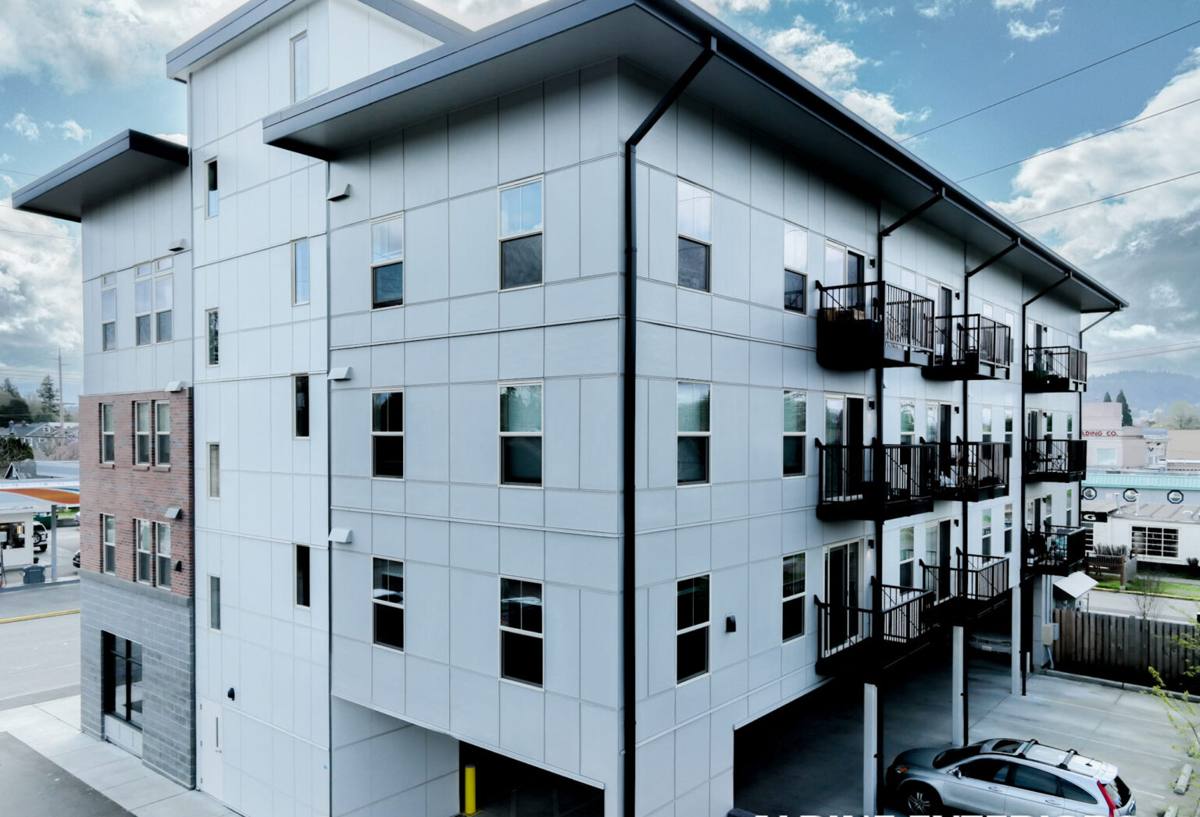
What Salt Air Actually Does to Siding Over Time
Salt air isn't just a coastal inconvenience — it's a chemically corrosive, moisture-carrying element that settles on every exterior surface of a home, day after day, year-round. On siding specifically, it causes a few predictable problems:
- Accelerated breakdown of paint and factory finishes, leading to premature fading, chalking, and peeling
- Corrosion of fasteners, trim pieces, and any exposed metal components if they aren't rated for coastal use
- Moisture retention in porous or wood-based materials, which speeds up rot, swelling, and delamination
- Faster degradation of caulking and sealant joints, which are often the first failure point on any siding system
Wood-based and wood-composite sidings are particularly vulnerable here because they're organic material to begin with — salt-driven moisture cycling in and out of the material accelerates rot from the inside, often before it's visible from the outside. Vinyl siding tends to fade and become brittle faster under this combination of UV and salt exposure than it would a few miles inland. Fiber cement, by contrast, is an inorganic material — sand, cement, and cellulose fiber — that doesn't feed rot and holds up structurally under the kind of moisture cycling a barrier island produces.
Why UV Exposure Compounds the Problem
Sarasota County gets sun exposure most of the year, and Siesta Key's open, low-tree-canopy areas near the water often get even more direct exposure than shaded inland lots. UV breaks down pigments and resins in lesser paint systems, which is why cheap or poorly-finished siding often looks chalky and faded within a handful of years. James Hardie's ColorPlus Technology finish is baked on in a factory-controlled process specifically engineered to resist UV fade far longer than field-applied paint, which matters enormously on a site that gets sun exposure like Siesta Key does.
What Correct James Hardie Installation Looks Like on a Barrier Island Home
Hardie siding is only as good as its installation. On Siesta Key specifically, a handful of details separate a job that will hold up through storm seasons from one that will fail early — and most of them are invisible once the siding is up, which is exactly why they matter.
Fastening and Wind Resistance
Manufacturer fastening specs exist for a reason, and on a property exposed to hurricane-force wind loads, following them precisely is not optional. That means correct fastener type, spacing, and penetration depth into structural framing — not just into sheathing. Under-fastened or improperly spaced siding is one of the most common causes of panel failure during high-wind events, and it's a shortcut that's completely invisible until a storm exposes it.
Moisture Management Behind the Siding
Every correct fiber cement installation includes a water-resistive barrier and proper flashing details at windows, doors, and penetrations, with a drainage plane that lets any moisture that does get behind the siding find its way back out. On a property dealing with wind-driven rain, this drainage detail is what keeps a hard rain event from turning into hidden sheathing damage. It's also completely covered up by the finished siding, which is why it has to be done right the first time.
Clearances and Sealant Joints
Hardie's specifications call for specific clearances from rooflines, decks, and grade, along with proper caulking at butt joints and trim intersections. Skipping these details doesn't show up as a problem on install day — it shows up two or three years later as moisture intrusion at joints that were never properly sealed to begin with.
| Install Detail | Why It Matters on Siesta Key |
|---|---|
| Fastener spec and spacing | Wind uplift resistance during tropical storms and hurricanes |
| Water-resistive barrier and flashing | Manages wind-driven rain intrusion at windows, doors, penetrations |
| Proper clearances from grade/roof/deck | Prevents standing moisture and splash-back against panel edges |
| Factory-finished ColorPlus edges sealed correctly | Protects cut edges from salt air and moisture wicking |
| Caulk joints at trim and butt seams | First line of defense against wind-driven rain intrusion |
Choosing the Right Hardie Product Line for a Coastal Property
James Hardie makes climate-engineered product lines, and for a barrier island property, that distinction is worth understanding rather than skipping past. Hardie's HZ10 product line is engineered for hot, humid climates with high moisture exposure — which describes Siesta Key well. The right combination of siding profile (lap siding, board and batten, or shingle-style panels) and trim detailing can also be selected to match the architectural style common in the area, whether that's a classic Florida coastal look or something more contemporary.
We'll walk through the specific product and color options during an on-site estimate, but the short version is this: the HZ10 line, combined with the ColorPlus factory finish, is built for exactly the humidity, salt exposure, and storm activity that Siesta Key sees.
Why a Crew That Already Works Siesta Key Is Worth Choosing Over a Generalist
Barrier island work is not the same as a standard mainland Sarasota County install. A crew that regularly works Siesta Key already understands things a general contractor coming over the bridge for a one-off job may not:
- How salt exposure and humidity affect fastener selection and sealant choice on this specific stretch of coastline
- Realistic timing around Florida's wet season and storm season so a project isn't left exposed mid-install
- Wind-load and code requirements that apply to coastal Sarasota County properties
- Practical logistics of island access, staging materials, and working around the tighter lots common near the water
None of that is exotic knowledge, but it's the difference between a crew executing a spec sheet and a crew that's actually accounting for the environment the siding has to survive in.
What the Estimate and Install Process Looks Like
- On-site evaluation of your home's current siding, framing condition, and any existing moisture or wind damage
- Review of Hardie product line, profile, and color options suited to a coastal Siesta Key property
- Written estimate with a clear scope — what's being removed, what's being installed, and what the moisture-management and fastening plan looks like
- Scheduling that accounts for Sarasota County's wet season and storm season rather than ignoring it
- Installation following James Hardie's fastening, flashing, and clearance specifications, not shortcuts
- Final walkthrough so you understand what was installed and how to maintain it going forward
Maintenance Expectations for Hardie Siding in This Environment
One of the practical advantages of fiber cement in a salt-air environment is how little upkeep it demands compared to wood or vinyl alternatives. A periodic rinse to clear salt residue and debris, an annual check of caulk joints and trim intersections, and prompt attention if a joint ever shows signs of separation is realistically all it takes. There's no repainting cycle to plan around the way there is with wood siding, because the ColorPlus finish is baked on at the factory rather than applied on-site — which is a meaningful difference for a homeowner who doesn't want to think about their siding every few years.
A Quick Homeowner Checklist
- Rinse siding periodically to remove salt buildup, especially on Gulf-facing walls
- Inspect caulk joints at trim and window/door intersections annually
- Watch for any panel edges that look like they're lifting or separating after storm events
- Keep vegetation trimmed back from siding to allow airflow and drying
- Have any impact or storm damage inspected promptly rather than waiting
Getting an Honest Look at Your Home
Every property on Siesta Key faces this climate a little differently depending on proximity to the water, sun exposure, and the age and condition of the existing siding. Rather than guessing at what your home needs, we'll come look at it directly. If you're weighing a siding replacement and want a straightforward, no-pressure estimate on James Hardie siding for your Siesta Key home, use the form below to get started.