 Sarasota Roofing
 What Lakewood Ranch Homes Are Up Against
Lakewood Ranch has grown into one of the region's most sought-after places to live, and the homes here reflect it — newer roofs, well-kept siding, and a lot of pride of ownership. But no amount of curb appeal changes what the Florida climate does to a house year after year. Homes in this part of the Sarasota and Manatee County area deal with the same core stressors as the rest of the Gulf Coast: hurricane-force wind gusts during storm season, intense UV exposure nearly every day of the year, wind-driven rain that finds every weak seam in a roof or wall system, and a steady dose of salt air carried inland from the coast.
None of these forces act alone. UV breaks down the protective oils and granule bonding in roofing materials, which makes them more brittle and more vulnerable when a summer storm rolls through with 50-60 mph gusts. Wind-driven rain doesn't fall straight down — it gets pushed sideways, up under shingle tabs, behind siding laps, and into window and door frames that aren't properly flashed. Salt air, even well inland, accelerates corrosion on fasteners, flashing, and any exposed metal. Over time, this combination is what separates an exterior that lasts its full rated lifespan from one that starts failing early.
Roofing Built for Wind, Sun, and Rain
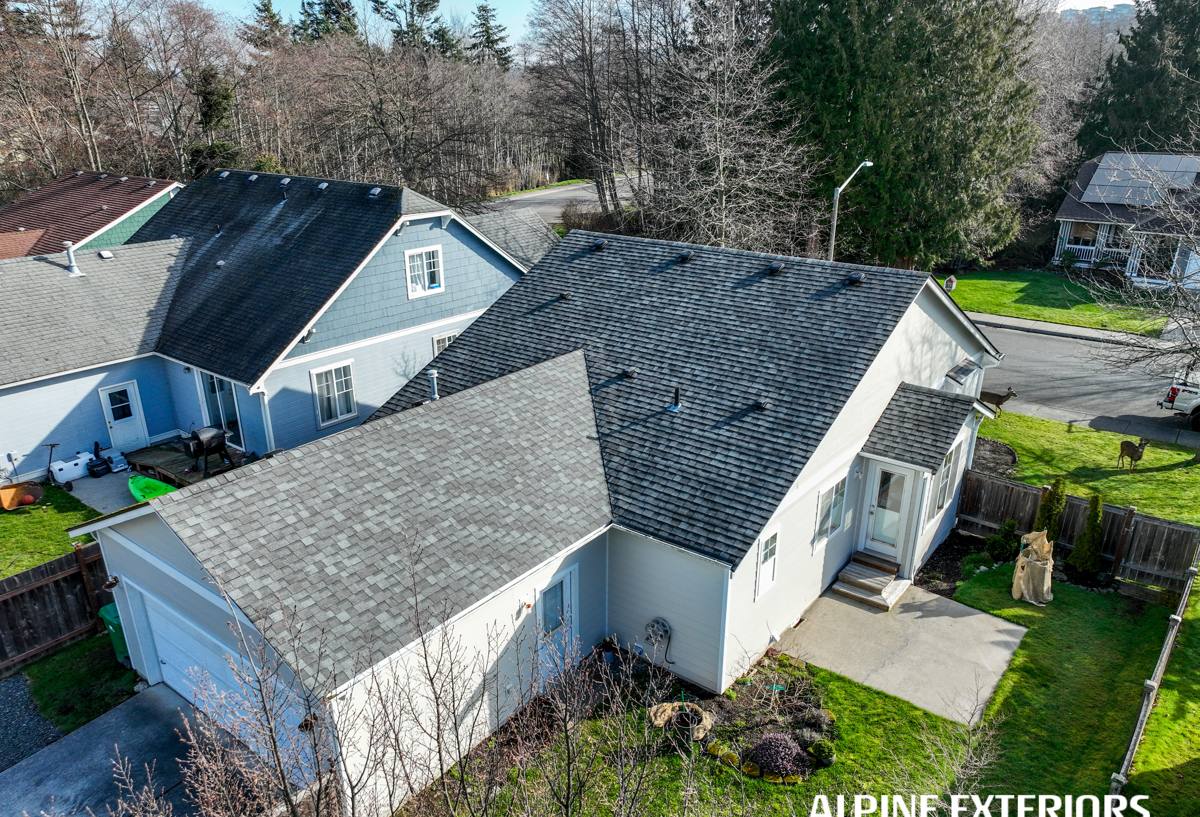
A roof in this area has one job above all others: stay attached and stay watertight when wind and rain hit it hardest. That starts with the details most homeowners never see — proper nailing patterns, sealed underlayment, correctly flashed penetrations at vents and chimneys, and drip edge that actually sheds water away from the fascia instead of behind it.
Material Considerations
We install and repair a range of roofing systems, and the right one depends on the home's structure, budget, and how long the homeowner wants to go before their next major roof decision. Architectural (dimensional) asphalt shingles remain the most common choice because they balance upfront cost with solid wind performance when installed correctly. Metal roofing costs more initially but holds up exceptionally well against wind uplift and requires less frequent replacement. Tile, common on many homes in this area, performs well against UV and wind when the underlayment beneath it — the part actually keeping water out — is in good condition.
Common Issues We Find in This Area
- Granule loss and thinning on south- and west-facing slopes from sustained UV exposure
- Lifted or cracked shingle tabs after wind events, even when the roof looks fine from the ground
- Flashing around skylights, chimneys, and roof-to-wall transitions that has separated or corroded
- Underlayment failure on older tile roofs where the tile itself still looks intact
- Clogged valleys and gutters holding water against the roof deck after heavy rain
Siding That Holds Up to Humidity and Salt Air
Siding in this climate has to manage two things at once: keep moisture out and survive constant sun and humidity without warping, fading, or trapping water behind it. We work with fiber cement, engineered wood, and vinyl siding systems, and we're honest with homeowners about the trade-offs of each rather than pushing whatever's easiest to install.
Fiber cement holds paint well, resists moisture-driven swelling, and stands up to wind-driven rain better than most alternatives, though it's heavier and requires correct fastening to perform as designed. Vinyl is lower-maintenance and cost-effective but can become brittle over time under constant UV exposure and needs proper installation clearance to handle Florida's heat expansion and contraction. Whatever the material, the real weak point is almost always the same: house wrap, flashing, and seams around windows and corners. That's where wind-driven rain gets in, and it's where a rushed installation shows up as a problem years later.
Windows That Actually Perform in a Storm
Windows are one of the most common places water and wind find their way into a home that otherwise looks fine on the outside. In this region, that means paying close attention to impact resistance, proper flashing at the rough opening, and sealant that hasn't dried out and cracked. An impact-rated or properly protected window does more than resist a stray piece of debris in a storm — it also handles the pressure changes that come with sustained high winds, which is often what actually stresses a window system during a hurricane.
We also see a lot of older single-pane or poorly sealed windows in the area struggling with condensation, fogging between panes, and rising energy bills — signs that the seal has failed even if the glass itself looks undamaged. Replacing failing windows isn't just a storm-protection upgrade; it's often the fastest payback improvement a homeowner can make on comfort and utility costs.
Decks in a Sun-and-Rain Climate
Outdoor living is a big part of why people choose to settle in this area, and decks take a beating from the same conditions as the rest of the exterior — just at ground level, where standing water and direct sun exposure are constant. Wood decking needs regular sealing to keep UV and moisture from breaking down the fibers, and any deck built without proper spacing and drainage will trap water against the boards and framing underneath, which is where rot actually starts.
Composite decking has become popular here because it resists moisture absorption and UV fading far better than untreated wood, with less ongoing maintenance. It isn't maintenance-free, and it costs more upfront, but for homeowners who want to spend less time on annual upkeep, it's often the more practical long-term choice. Whatever material is used, the structural framing underneath — ledger boards, joists, and connections — is what actually determines whether a deck is safe, and that's where we spend the most attention during both new builds and inspections of existing decks.
Why a Local Crew Matters
A roofing or siding job done by a crew that doesn't work in this climate every day tends to miss the details that matter here — flashing details for wind-driven rain, fastening patterns rated for local wind speeds, and material choices that actually make sense for Sarasota County's heat and humidity rather than a national average. We're on roofs, siding jobs, and decks across this area regularly, which means we see how materials and installations actually hold up over years, not just how they look on installation day.
Being local also means we're accountable. If something needs a warranty follow-up or a storm causes damage, we're not a crew that worked here once and moved on — we're already in the neighborhood.
What Affects Your Project Cost
Every home and project is different, but a few factors consistently drive cost up or down. Being upfront about these helps homeowners plan realistically before we ever set foot on the property.
| Factor | Why It Matters | Typical Impact |
|---|---|---|
| Roof pitch and access | Steeper or harder-to-access roofs take longer and require more safety equipment | Moderate to significant cost increase |
| Material choice | Asphalt shingle, metal, and tile have very different material and labor costs | Wide range — metal and tile cost more upfront |
| Existing damage or rot | Water damage found once old material is removed adds repair scope | Variable — depends on extent found |
| Impact-rated products | Windows and some roofing systems rated for wind-borne debris cost more per unit | Moderate increase, often offset by insurance savings |
| Home size and complexity | More valleys, dormers, or wall corners mean more labor and flashing detail | Scales with square footage and design |
Maintenance Checklist for Lakewood Ranch Homeowners
Most exterior failures we see didn't happen overnight — they started small and went unnoticed. A short seasonal check can catch problems while they're still cheap to fix.
- Walk the exterior after any significant storm and look for lifted shingles, dented gutters, or debris impact marks
- Check attic spaces for staining, damp insulation, or daylight coming through the roof deck
- Clear gutters and valleys before the summer rainy season builds up
- Inspect caulking and sealant around windows and doors annually — cracked or missing sealant is an easy fix now, a bigger repair later
- Look at deck boards and framing for soft spots, staining, or gaps that have opened up over time
- Watch for chalky residue or fading on siding, a sign UV is breaking down the surface finish
Getting Started
Whether you're dealing with a roof that's showing its age, siding that needs attention after a rough storm season, windows that no longer seal the way they should, or a deck that needs an honest structural look, we're glad to come out, take a real look, and tell you what we see — no pressure, no upsell. If you're in Lakewood Ranch or anywhere else in the Sarasota area, request a free estimate using the form below and we'll get you scheduled.