 Sarasota Roofing
 Siding on a Barrier Island Is a Different Job
Siesta Key sits right up against the Gulf, and that changes what "good siding" means. A siding job that holds up fine ten miles inland can fail early a few blocks from the beach. The combination of salt-laden air, near-constant sun, wind-driven rain, and the threat of hurricane-force gusts puts more stress on an exterior wall system here than almost anywhere else in Sarasota County. Installing siding on a Siesta Key home isn't just about appearance — it's about choosing a material and installation method that were built for this exact environment, and having a crew that installs it correctly the first time.
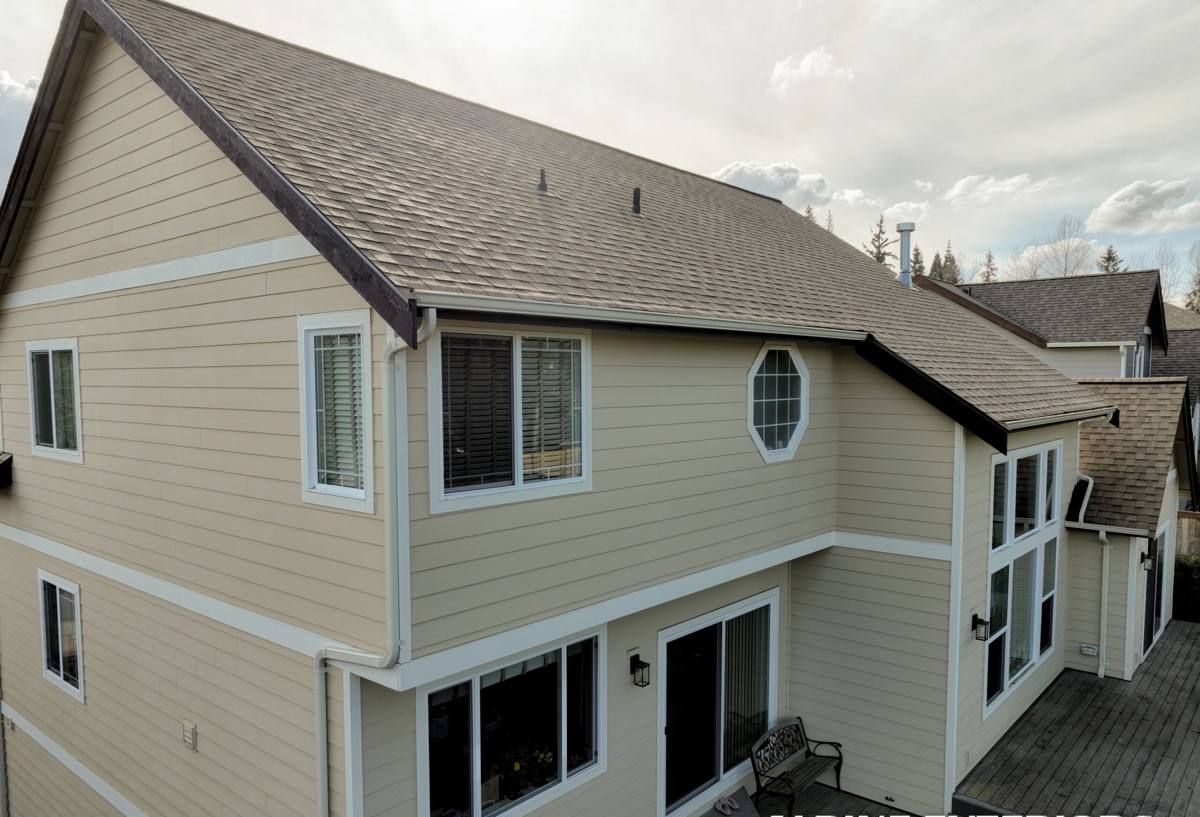
What Siesta Key's Climate Actually Does to Siding
Homeowners often ask why their siding wore out faster than they expected, or why a neighbor a mile inland is still going strong on the same product. The answer is almost always the same four factors working together:
- Salt air: Airborne salt from the Gulf settles on exterior surfaces and accelerates corrosion of fasteners, trim, and any metal components. It also breaks down finishes that weren't formulated to resist it.
- Year-round UV exposure: Florida's sun doesn't take a season off. Constant UV bakes paint and low-grade coatings, leading to fading, chalking, and premature cracking on materials not engineered for it.
- Wind-driven rain: Tropical storms and summer squalls don't just drop rain straight down — they drive it sideways, forcing water into seams, laps, and fastener penetrations that would stay dry in a calmer climate.
- Hurricane-force wind: Siesta Key sees real storm exposure. Siding here has to resist wind load and flying debris, and it has to stay fastened tight rather than working loose over repeated storm cycles.
Any one of these is manageable. All four hitting the same wall, year after year, is what separates coastal siding work from a standard installation.
What a Correct Installation Involves
Substrate Inspection and Prep
Before any new siding goes up, the wall behind the old siding gets inspected. On Siesta Key homes we regularly find moisture damage, soft sheathing, or corroded fasteners hidden behind the old cladding — problems caused by the same salt air and wind-driven rain the new siding will have to face. Installing new siding over a compromised substrate just hides the problem and shortens the life of the new material. Any rot or damaged sheathing needs to be addressed before installation begins, not after.
Moisture Management Behind the Siding
A correctly installed siding system is really two systems: the visible siding, and the drainage plane behind it. That means a proper weather-resistive barrier, correctly lapped and taped seams, and flashing at every window, door, and penetration that directs water back out rather than letting it collect against the sheathing. On a barrier island, where wind-driven rain gets pushed into every gap it can find, this hidden layer matters as much as the siding itself.
Fastening for Real Wind Load
Fastener type, spacing, and placement all affect how well siding performs in high wind. Manufacturer fastening schedules exist for a reason, and coastal wind exposure is exactly the situation where cutting corners on nailing patterns shows up first — as loose boards, popped fasteners, or panels that lift in the next storm. Correct clearances from the ground, roofline, and adjacent surfaces also matter, since standing water and trapped moisture at those transitions are where premature failure usually starts.
Why We Install Only James Hardie Fiber Cement
We made a deliberate decision to install James Hardie fiber cement siding exclusively — not vinyl, not LP SmartSide, not Cemplank, Allura, or primed wood. That's not a marketing position, it's a response to what actually holds up in a coastal Florida environment.
| Factor | James Hardie Fiber Cement | Vinyl / Engineered Wood Alternatives |
|---|---|---|
| Salt air resistance | Cement-based composition doesn't corrode; ColorPlus finish is engineered for coastal UV and salt exposure | Wood-based products can absorb moisture at cut edges; vinyl can become brittle and discolor over time |
| UV / fade resistance | Factory-applied ColorPlus finish backed by a dedicated finish warranty | Field-painted or lower-grade finishes fade and chalk faster under constant sun |
| Wind and impact performance | Dense, heavy material holds up well to wind-driven debris and high wind load when installed to spec | Lighter materials are more prone to cracking, denting, or blow-off in storm-force wind |
| Fire behavior | Non-combustible material | Vinyl and wood-based sidings are combustible |
| Moisture behavior | Engineered HZ product lines address humid, high-moisture climates specifically | Engineered wood products are more sensitive to sustained moisture exposure at seams and edges |
We're not going to tell you every other product on the market is worthless — plenty of them work fine in the right climate. What we will say is that after years of installing and repairing siding in Sarasota County's coastal conditions, James Hardie is the one product line we're comfortable standing behind with a real warranty, on a barrier island like Siesta Key. That's why it's the only thing we put on homes.
How Our Process Works on Siesta Key Homes
Every home is different, but the sequence stays consistent:
- On-site assessment: We look at your current siding, the substrate underneath where accessible, and any problem areas — corners, window transitions, low clearances — that are specific to your home's exposure.
- Material and color selection: We walk through James Hardie's HZ product lines and ColorPlus finish options suited to coastal exposure, so the product matches both the look you want and the performance your home needs.
- Removal and substrate repair: Old siding comes off, damaged sheathing or framing gets repaired, and the wall is brought to a condition ready for a proper weather barrier.
- Weather barrier and flashing installation: This hidden layer is installed and detailed at every penetration before a single piece of new siding goes up.
- Siding installation to manufacturer spec: Correct fastening schedule, clearances, and joint treatment, installed the way James Hardie's coastal guidelines call for.
- Final walkthrough: We go over the finished job with you before calling it done.
What Drives the Cost of a Siesta Key Siding Job
Every home and every job is different, so we won't quote a number without seeing the property, but these are the main factors that move the price up or down:
| Factor | Why It Matters |
|---|---|
| Extent of substrate repair needed | Rot or moisture damage found behind old siding adds labor and material before new siding can go up |
| Home size and wall complexity | More corners, dormers, and trim details mean more cutting, flashing, and labor time |
| Siding profile and finish selection | Different James Hardie profiles and ColorPlus finishes carry different material costs |
| Removal and disposal of old material | Full tear-off of old siding adds labor and disposal cost versus a simpler scope |
| Access and site conditions | Landscaping, elevation, and setback on the property can affect equipment access and labor time |
Why Local Experience on Siesta Key Matters
A siding crew that mostly works inland neighborhoods may not think twice about fastener spacing, flashing detail, or clearance heights the way a crew that works barrier island homes every week does. Siesta Key's exposure to salt air, sustained UV, and storm-driven wind and rain isn't theoretical for us — it's the baseline condition we plan every install around. When you're vetting a contractor for a job like this, it's worth asking directly about their experience with coastal exposure, not just general siding installation.
A short checklist worth running through with any contractor before you hire them for a Siesta Key siding job:
- Do they have documented experience installing siding on barrier island or coastal-exposure homes, not just inland properties?
- Do they install to the manufacturer's coastal fastening and clearance specifications, not just a generic install pattern?
- Do they inspect and address substrate condition before installing new siding, rather than covering up existing damage?
- Do they detail flashing and weather barrier work at every window, door, and penetration?
- Can they explain, in plain terms, why they recommend the specific product and finish for your home?
- Are they licensed and insured to work in Sarasota County?
Maintenance After Installation
Correctly installed James Hardie siding is low-maintenance, but "low" isn't "none," especially this close to the Gulf. A simple annual rinse to clear salt residue and airborne debris goes a long way. It's also worth a periodic visual check of caulked joints, trim intersections, and any areas near ground level after storm season, since those are the spots most exposed to wind-driven rain and standing moisture. Catching a small issue early is always cheaper than repairing damage that had months or years to develop.
Let's Look at Your Home
If your Siesta Key home's siding is showing its age, or you're planning ahead of the next storm season, we're happy to take a look and give you a straightforward, no-pressure estimate. Fill out the form below and we'll get back to you.