 Sarasota Roofing
 Why Shingle Choice Matters More Here Than Most Places
Picking a shingle in Sarasota isn't the same decision as picking one in Ohio or the Carolinas. A roof here has to survive months of intense subtropical UV exposure, sudden downpours with wind-driven rain, salt-laden air blowing in off the Gulf, and the real possibility of a hurricane or tropical storm putting sustained high winds and flying debris against it. Some shingles handle that combination well. Others look fine on the sample board and start failing within a few years once they're actually up on a Sarasota County roof. This page walks through what actually matters when you're comparing options, so you can make a decision based on how a shingle performs here, not just how it looks in a brochure.
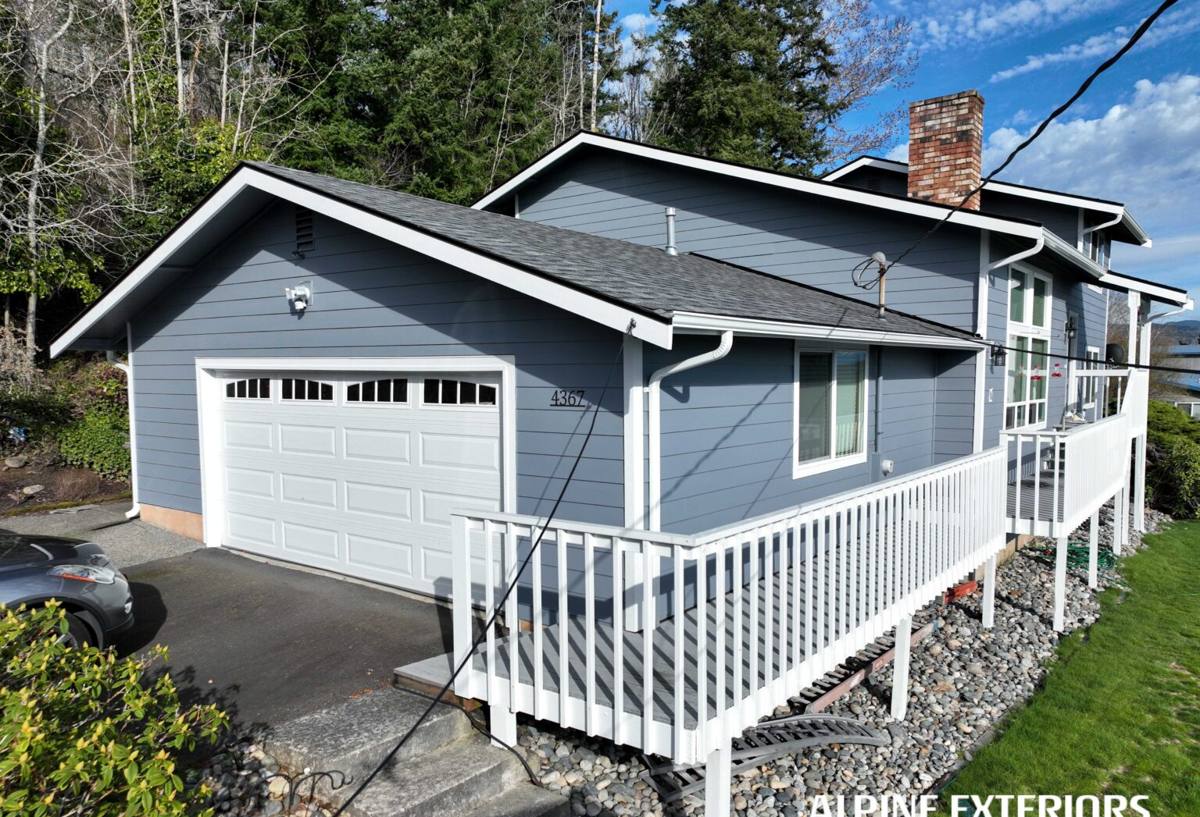
The Main Shingle Types Available Today
3-Tab Asphalt Shingles
3-tab shingles are the thinnest, lightest, and least expensive asphalt option. They're a single layer laminated flat, which keeps material and labor costs down but also limits their wind resistance and lifespan compared to newer products. Most manufacturers have scaled back 3-tab lines in favor of architectural styles, and for a coastal wind zone like ours, we generally don't recommend them except on budget-driven projects like detached sheds or low-slope accessory structures where the roof isn't the main line of defense for the home.
Architectural (Laminated) Asphalt Shingles
Architectural shingles are built from two or more layers laminated together, giving them more mass, a dimensional look, and meaningfully better wind and impact performance than 3-tab. This is the product most homeowners in our area end up choosing, and for good reason — the better lines carry wind warranties well suited to Florida's building code requirements, and the added thickness holds up better against sun exposure over time. Not all architectural shingles are equal, though; the difference between a builder-grade line and a premium line shows up in how well the roof ages after five or six Florida summers.
Impact-Resistant (Class 4) Shingles
Class 4 shingles use a reinforced mat and modified asphalt formulation to resist cracking from hail and debris impact. Florida doesn't see the hail loads that parts of the Midwest do, but Class 4 shingles are still worth a look here because many insurance carriers offer premium discounts for installing them, and the same reinforced construction that resists hail also tends to hold up better against wind-driven debris during a tropical system. Whether the insurance discount offsets the higher material cost is a math problem worth running with your agent before you decide.
Metal Roofing (Standing Seam and Metal Shingle)
Metal isn't an asphalt shingle, but it's the most common alternative homeowners ask us about, so it belongs in this comparison. Standing seam panels and metal shingle products both offer excellent wind uplift resistance when installed with the correct fastening pattern, reflect more heat than asphalt, and have a much longer service life. The tradeoff is upfront cost — metal roofing typically costs meaningfully more than architectural asphalt, and the return on that investment comes from longevity and energy savings over 30-plus years rather than immediate savings.
Tile (Concrete and Clay)
Tile roofs are common throughout Sarasota, especially on homes built in a Mediterranean or Spanish style. Concrete and clay tile hold up extremely well against UV and salt air because the material itself doesn't degrade the way asphalt's granule-and-asphalt-mat construction does. The tile itself can outlast several roofs' worth of underlayment, which is why tile roof "replacements" are often really an underlayment and flashing replacement with the existing tile reset. Tile is heavier and requires a structure engineered for that load, and repairs after impact damage need a contractor who can match existing tile profiles.
Wind Rating: The Number That Actually Matters Here
Every shingle sold has a wind rating tied to its ASTM test classification, expressed as a wind speed the shingle is rated to withstand when installed per the manufacturer's instructions. In Sarasota County, that installation detail is not optional — the Florida Building Code sets minimum wind resistance requirements based on our wind zone, and the permit inspector will check that the shingle, underlayment, and fastening pattern all match what was submitted. A shingle rated for 130 mph winds only performs to that rating if it's nailed correctly, in the right pattern, into sound decking. We've seen premium shingles fail early because of an installation shortcut, and mid-grade shingles outperform expectations because they were installed exactly to spec. The product matters, but the installation matters just as much.
How Sarasota's Climate Wears Down a Roof
- UV exposure: Florida gets more direct sun hours annually than most of the country, which breaks down asphalt oils faster and causes granule loss over time.
- Wind-driven rain: Afternoon storms don't just fall straight down here — they come in sideways, which stresses shingle edges, flashing, and any place water can find a lateral path under the roof covering.
- Salt air: Being close to the Gulf and Sarasota Bay means airborne salt settles on roofing materials and accelerates corrosion of exposed metal fasteners, flashing, and vents if they aren't rated for coastal exposure.
- Heat cycling: Daily swings between intense sun and sudden rain cause repeated expansion and contraction, which over years can loosen fasteners and stress shingle adhesive strips.
- Tropical systems: Even when a storm doesn't make direct landfall here, sustained tropical-storm-force winds are common enough in a given season to test every roof's wind rating and fastening quality.
Comparing Shingle Options Side by Side
| Shingle Type | Typical Lifespan | Wind Performance | Relative Cost |
|---|---|---|---|
| 3-Tab Asphalt | 15-20 years | Lower wind ratings, thinner profile | Lowest |
| Architectural Asphalt | 25-30 years | Good to very good, varies by line | Moderate |
| Class 4 Impact-Resistant | 25-30 years | Very good, reinforced mat | Moderate to high |
| Standing Seam Metal | 40-50+ years | Excellent when properly fastened | High |
| Concrete/Clay Tile | 50+ years (tile itself) | Excellent, but underlayment dictates true lifespan | High |
Color and Granule Considerations
Shingle color affects more than curb appeal in a climate like ours. Darker shingles absorb more heat, which can push attic temperatures higher and add load to cooling systems during the hottest months. Lighter and more reflective granule colors help bounce some of that solar load away from the roof deck. Granule quality also matters for longevity — the granules are what protect the asphalt underneath from UV breakdown, and once a shingle starts losing granules faster than normal (visible as bald or shiny patches, or granules collecting in gutters), the clock on that roof's remaining life speeds up considerably.
Underlayment and Ventilation: The Parts You Don't See
The shingle gets all the attention, but a synthetic or self-adhering underlayment rated for high wind and moisture exposure is what actually keeps water out if any shingles are damaged or lifted during a storm. In our climate, we treat underlayment upgrades as standard practice rather than an optional add-on, given how often wind-driven rain gets tested against a roof here. Proper attic ventilation matters just as much — a roof deck that can't release heat and humidity will shorten the life of whatever shingle sits on top of it, regardless of how good that shingle's warranty looks on paper.
What Drives the Cost Difference
| Cost Factor | Why It Matters |
|---|---|
| Roof pitch and complexity | Steep or multi-plane roofs take longer to install and require more safety measures |
| Tear-off vs. overlay | Removing old roofing and inspecting the deck adds labor but is often the right call for wind performance |
| Decking condition | Soft or water-damaged decking found during tear-off needs replacement before new shingles go down |
| Underlayment grade | High-wind-rated synthetic or self-adhered underlayment costs more than basic felt but performs better here |
| Shingle line and warranty tier | Manufacturer wind and algae warranties vary significantly between builder-grade and premium product lines |
A Practical Checklist Before You Decide
- Confirm the shingle's ASTM wind rating meets or exceeds Sarasota County's Florida Building Code wind zone requirement.
- Ask what underlayment is included and whether it's rated for high-wind, wind-driven-rain conditions.
- Check whether the shingle line qualifies for a wind-mitigation insurance discount and what documentation you'll need for your insurer.
- Get the manufacturer's algae-resistance rating if you're near shaded areas or waterways, since Gulf Coast humidity encourages algae growth on darker shingles.
- Ask how fastening pattern and nail count will be documented for code compliance and warranty purposes.
- Compare warranty terms carefully — material-only warranties and full workmanship warranties are not the same thing.
Our Take as Local Installers
We don't push one brand or one product on every job, because no single shingle is the right answer for every roof in Sarasota. A well-installed architectural shingle from a reputable manufacturer, paired with a proper high-wind underlayment and correct fastening, is a solid, cost-effective choice for most homes here. Where budget allows and the roof's exposure or insurance situation justifies it, Class 4 impact-resistant shingles or metal are worth serious consideration. What we won't do is cut corners on underlayment or fastening to hit a lower price point, because on a coastal roof, those details are what separate a roof that survives a storm season from one that doesn't.
If you're weighing your options for a new roof or replacement in Sarasota, we're happy to walk your property, look at your roof's exposure and pitch, and put together a free, no-pressure estimate that lays out the choices in plain terms — just fill out the form below.