 Sarasota Roofing
 Downtown Sarasota's Homes Face a Tougher Climate Than Most
Downtown Sarasota sits close enough to the Gulf that salt-laden air, intense year-round UV exposure, and the threat of hurricane-force winds are a fact of life for every roof, wall, window, and deck in the neighborhood. Add in the wind-driven rain that comes with Florida's summer storm pattern, and it's easy to see why exteriors here age differently than they would inland. A roof or siding job that would last two or three decades in a drier, cooler climate can wear out faster on the coast if it wasn't built with these specific stresses in mind.
That's the lens we bring to every project in this part of Sarasota County: not just "install it correctly," but "install it correctly for this particular environment." The materials, fastening patterns, flashing details, and even the sequence of work all shift when you're building for salt air and hurricane-force wind rather than a milder climate.
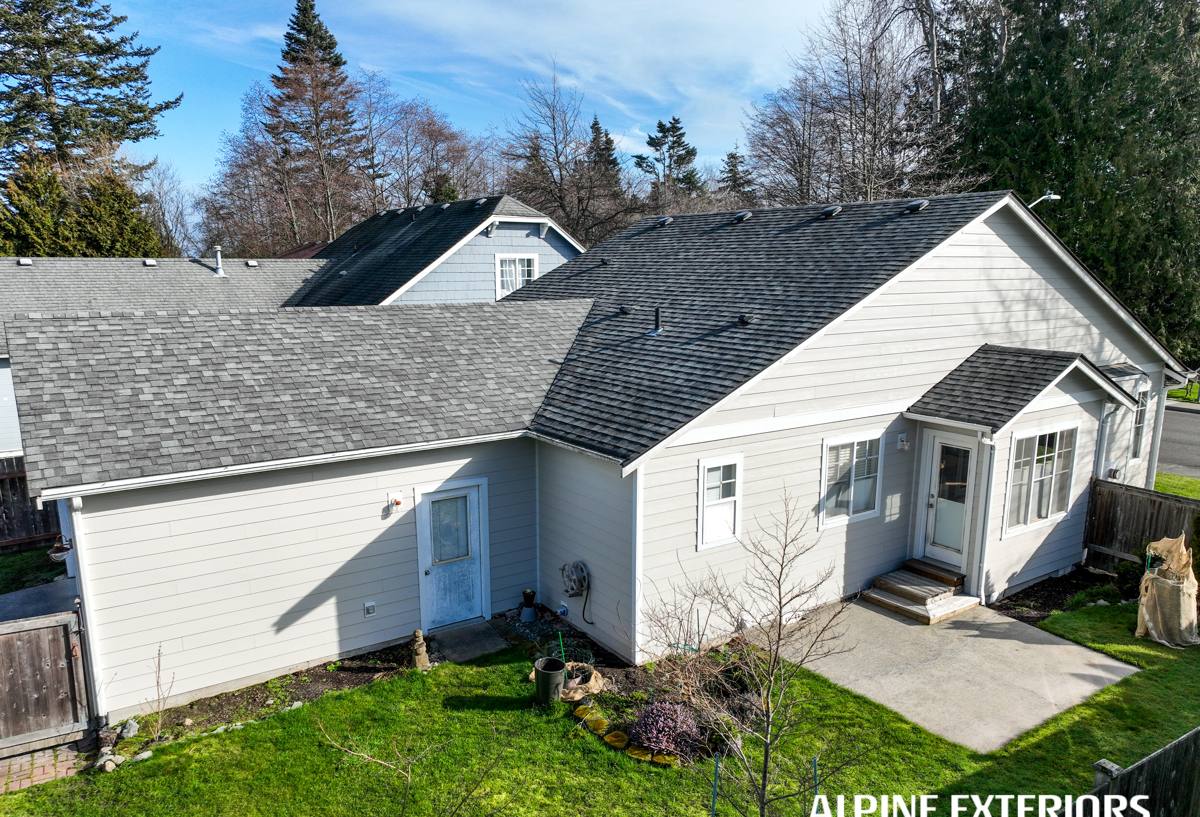
Roofing Built for Sarasota's Sun, Wind, and Rain
Roofs in Downtown Sarasota take a three-part beating: constant UV breaks down roofing materials from the top down, wind-driven rain finds any weak point in flashing or underlayment, and tropical-storm or hurricane winds test every fastener and seam. A roof that's only rated for "normal" wind exposure is a liability here.
Asphalt Shingles
Shingles remain a practical, cost-effective option for many homes, but not every shingle product is built the same. We favor products rated for higher wind speeds and reinforced against UV degradation, paired with proper nailing patterns and starter strips — details that matter far more in a coastal wind zone than they would elsewhere. We also pay close attention to underlayment quality, since a secondary water barrier is what keeps a home dry if wind ever lifts a shingle during a storm.
Tile Roofing
Tile is a common and attractive choice in this area, and it holds up well to UV and salt air when installed with the right underlayment and fastening system. The tile itself is durable, but the underlayment beneath it is doing most of the waterproofing work — so we treat that layer as the real long-term investment, not an afterthought.
Metal Roofing
Metal roofing has become increasingly popular for coastal Florida homes because of its wind performance and long service life, provided the right fastener and coating system is used to resist salt corrosion. It's a higher upfront cost but a lower long-term maintenance burden for homeowners who plan to stay in their home for years.
Flashing and Penetrations
Most roof leaks in this climate don't start in the field of the roof — they start at flashing, valleys, vent penetrations, and roof-to-wall transitions. Wind-driven rain can push water sideways and upward under poorly sealed flashing, so we treat these details as the most important part of any roofing job, not a quick finishing step.
Siding That Holds Up to Salt Air
Siding on the coastal side of Sarasota County deals with a slow, steady form of damage: salt air accelerates corrosion of fasteners and trim, UV fades and embrittles lower-quality materials, and wind-driven rain tests every seam and joint for water intrusion. Homes just a mile or two from the water often show wear patterns that inland homes in the same city never develop.
We install fiber cement and quality vinyl siding systems chosen for their moisture resistance and fade performance, with attention to proper flashing behind every seam and corner. We're selective about which products we install — some siding lines look fine on a spec sheet but have a track record of trapping moisture behind the panel or requiring more upkeep than most homeowners want to take on. Our standard is to choose systems with straightforward, well-documented installation methods and manufacturer warranties that hold up to routine inspection, not just the cheapest option available.
What We Check on Every Siding Job
- House wrap or weather barrier condition underneath existing siding before covering it back up
- Proper flashing at windows, doors, and any wall penetration
- Corrosion-resistant fasteners rated for coastal exposure
- Adequate ventilation behind the siding to prevent trapped moisture
- Caulking and sealant joints that are still flexible, not cracked or shrunk
Windows: Protection Against Wind, Rain, and Fading
Windows in Downtown Sarasota do double duty — they need to hold up structurally during high wind events and manage relentless UV exposure without fading interiors or degrading seals. Impact-rated windows are increasingly the standard choice in this part of Florida, both for storm protection and because they tend to offer better sound dampening and energy performance as a side benefit.
Beyond the glass itself, proper installation matters enormously in a wind-driven rain climate. A window that's correctly flashed and sealed will keep water out even during a sideways rainstorm; one that's installed with shortcuts around the flanges or sill pan will eventually leak, no matter how good the window itself is. We treat window installation as a waterproofing job first and a glass-and-frame job second.
Decks Built to Survive Sun and Moisture
Outdoor decks in this climate face a different combination of stresses: direct, intense sun exposure that can fade and dry out wood fibers, combined with humidity and rain that promote rot and mildew if drainage isn't handled well. Composite decking has become a popular choice locally because it resists UV fading and moisture damage better than untreated wood, with less ongoing maintenance. Traditional wood decking can still be a good option for homeowners who prefer its look and feel, but it requires a more disciplined sealing and maintenance schedule to hold up to Sarasota's sun and humidity year after year.
Either way, the structural framing underneath the decking surface deserves as much attention as the decking itself — proper spacing, fasteners rated for coastal exposure, and good drainage away from the house all determine how long a deck actually lasts here.
Why a Local Crew Matters in This Neighborhood
Working in Downtown Sarasota means understanding the practical realities of the area: permitting requirements set by Sarasota County and the City of Sarasota, wind and moisture provisions in the Florida Building Code that apply to this region, and the simple logistics of working in a dense, established neighborhood with mature trees, narrow lots, and older homes alongside newer construction. A crew that works this area regularly knows what inspectors expect, how to sequence a job around Florida's afternoon storm patterns, and how to protect landscaping and neighboring properties while work is underway.
There's also a service-life argument for hiring locally: a contractor based in the area is still around — and easy to reach — years later if a warranty question or minor issue comes up. That accountability matters more in a climate that puts steady stress on every exterior surface.
What Drives Cost on These Projects
Every home and project is different, but a few factors consistently move the price on roofing, siding, window, and deck work in this area. The table below is meant to help homeowners understand what they're paying for, not to serve as a quote — actual costs depend on your home's specific condition and scope.
| Factor | Why It Affects Cost |
|---|---|
| Material choice (asphalt vs. tile vs. metal, vinyl vs. fiber cement) | Material and labor costs vary significantly, as does long-term maintenance |
| Wind rating / impact rating | Higher-rated products and reinforced installation methods cost more upfront but reduce storm risk |
| Existing damage or deterioration | Rot, corroded fasteners, or failed underlayment found during tear-off add repair scope |
| Roof or wall complexity | Steep pitches, multiple valleys, dormers, and wall penetrations increase labor time |
| Access and site conditions | Narrow lots, mature landscaping, and multi-story homes affect equipment and labor needs |
| Permitting and code requirements | Current Florida Building Code provisions may require upgrades beyond a simple like-for-like replacement |
Signs Your Roof, Siding, or Windows Need Attention
Because damage from UV, salt air, and wind-driven rain often develops gradually, it's easy to miss the early warning signs. A periodic walk-around can catch small problems before they become expensive ones.
- Curling, cracked, or missing shingles, or visible granule loss in gutters
- Cracked or slipped roof tiles, especially after a windstorm
- Rust streaks or corrosion around fasteners, vents, or metal flashing
- Soft spots, discoloration, or bubbling on siding or interior ceilings near exterior walls
- Difficulty opening or closing windows, or visible gaps around frames
- Cracked, splintering, or discolored deck boards, or soft spots underfoot
- Peeling caulk or sealant around windows, doors, and wall penetrations
How We Approach a Project
Most projects start with a straightforward inspection of the affected area — roof, walls, windows, or deck — so we can identify not just the visible problem but any underlying cause, like a failed flashing detail or trapped moisture. From there, we walk homeowners through the realistic options for their home and budget, including honest trade-offs between materials rather than pushing whatever has the best margin. Once a scope is agreed on, we handle permitting where required, schedule around weather, and keep the property protected throughout the work. When the job's done, we walk the homeowner through what was done and what maintenance, if any, will help it last.
If you're noticing wear on your roof, siding, windows, or deck, or simply want a second opinion before storm season, we're happy to take a look. Fill out the form below for a free, no-pressure estimate — there's no obligation, just an honest assessment of where things stand.