 Sarasota Roofing
 Why Roof Replacement Costs Vary So Much
Ask five homeowners in Sarasota County what their new roof cost and you'll get five different numbers, sometimes for houses that look nearly identical from the street. That's not random. Roof pricing is driven by a specific, knowable set of factors — and once you understand them, a contractor's estimate stops looking like a mystery and starts looking like a breakdown you can actually evaluate.
This page walks through the real cost drivers for a roof replacement in our area: material choice, roof geometry, the condition of what's underneath the shingles, code-driven requirements specific to coastal Florida, and the labor realities of installing a roof correctly in a hurricane-prone climate. Our goal here is education, not a sales pitch — we want you to walk into any estimate conversation, ours included, knowing what questions to ask.
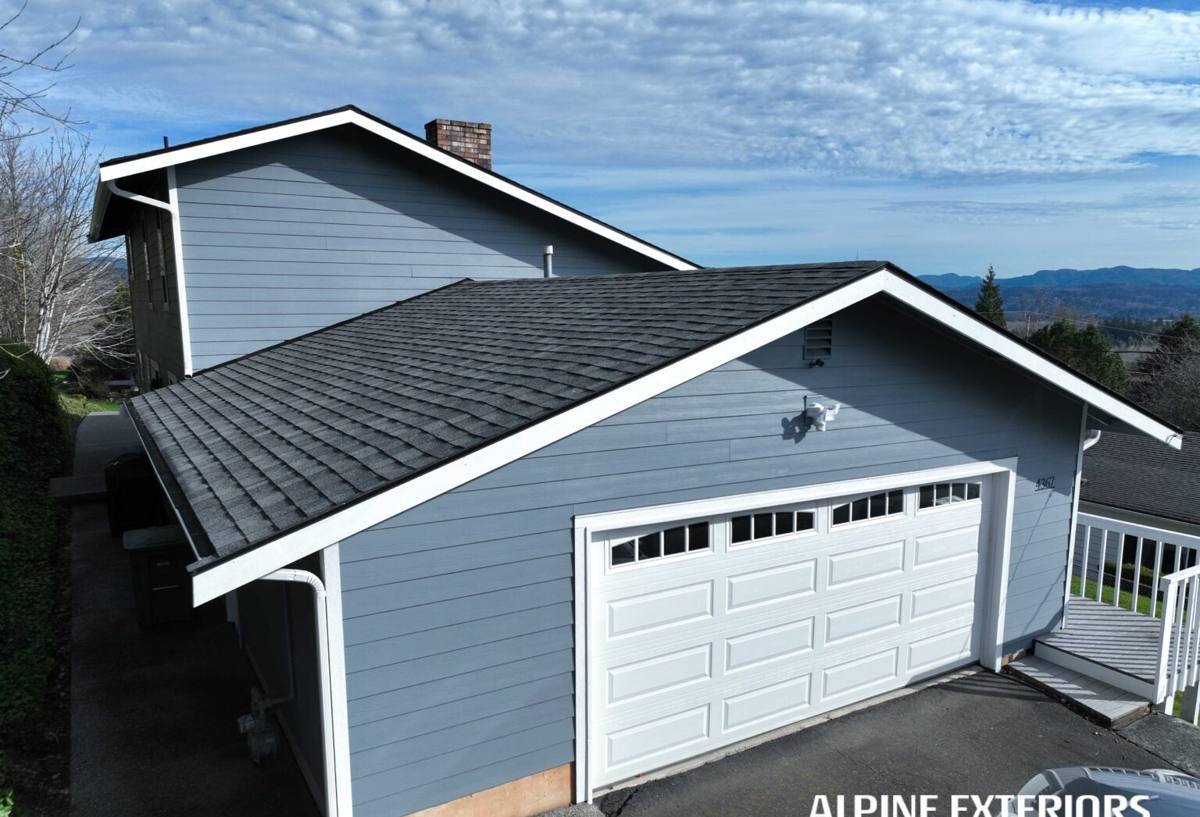
Material Choice: The Biggest Single Lever
Material is usually the largest swing factor in total project cost, and it's the one homeowners have the most control over. Broadly, Sarasota roofs fall into a few categories:
| Material | Typical Lifespan | Relative Cost | Notes for This Climate |
|---|---|---|---|
| Architectural asphalt shingle | 20-30 years | Lower | Look for high wind-rated products; standard 3-tab is a poor fit here |
| Metal (standing seam or coated panel) | 40-50+ years | Higher | Excellent wind and UV performance; higher upfront cost, lower lifetime cost |
| Concrete or clay tile | 50+ years (tile itself) | Highest | Very durable against UV and salt air; underlayment still needs replacement on its own cycle |
| Flat/low-slope membrane (TPO, modified bitumen) | 15-25 years | Varies | Common on additions, lanais, and porch roofs; seam quality matters more than material brand |
None of these is a universally "right" answer — the right material depends on your roof's slope, your home's structure, your budget horizon, and your tolerance for maintenance. A tile roof that outlives the underlayment underneath it isn't actually saving you money if nobody plans for that underlayment replacement. We'll walk you through the real tradeoffs for your specific roof rather than pushing one product line.
Why We're Selective About Certain Products
Some lower-cost material lines look attractive on a quote but carry tradeoffs that matter in Sarasota specifically — thinner shingles with lower wind ratings, membrane systems that are highly sensitive to installer technique, or accessory components with warranty structures that don't hold up well against sustained coastal humidity. When we steer a homeowner away from a product, it's because our professional standard is built around what performs reliably under hurricane-force wind and constant salt air exposure, not because a brand is inherently bad. We're happy to explain the specific tradeoff in plain terms.
Roof Size and Complexity
Square footage sets the baseline, but complexity is what moves the number from a rough estimate to a real one. Two 2,200-square-foot roofs can cost meaningfully different amounts based on:
- Number of planes and hips/valleys — more cuts and seams mean more labor and more flashing detail
- Pitch — steep roofs require more safety setup and slow down every stage of the tear-off and install
- Penetrations — skylights, chimneys, vent stacks, and solar mounts each need individual flashing work
- Roof access — a roof surrounded by landscaping, a pool cage, or tight setbacks slows material staging and disposal
- Number of layers being removed — tearing off two layers of old shingles costs more in labor and disposal than one
This is why an accurate estimate requires an actual roof measurement and walk-through, not a number based on square footage alone.
What's Underneath Matters as Much as What's on Top
The shingles or tiles are the visible layer, but underlayment, decking, and flashing do most of the actual work of keeping water out — and their condition has a direct effect on price.
Decking Condition
Once the old roof covering comes off, we can finally see the plywood or OSB decking underneath. Sarasota's humidity and wind-driven rain mean water intrusion around old flashing or worn shingles can go undetected for years, leading to soft or delaminated decking. Any rotted sections have to be replaced before a new roof goes on — there's no way around this if you want the new roof to actually last, and it's the most common source of a mid-project cost adjustment.
Underlayment
Florida's building code requires a specific underlayment approach for wind and water protection, and in high-wind zones like ours, self-adhering ("peel and stick") underlayment is increasingly the standard rather than the exception. It costs more than traditional felt but performs dramatically better against wind-driven rain — a near-constant threat during Gulf Coast storm season.
Flashing
Flashing around chimneys, walls, skylights, and roof-to-wall transitions is one of the most common points of failure on any roof. Reusing old flashing to save money is rarely worth it — it's usually the first thing to fail again, and replacing it properly the first time is far cheaper than a second repair visit.
Florida Building Code and Wind Requirements
Sarasota County sits within Florida's High-Velocity Hurricane Zone influence area, and county permitting reflects that. Code-driven requirements that affect cost include:
- Wind uplift ratings that dictate fastener patterns and spacing — often tighter than in non-coastal states
- Secondary water barrier requirements (sealed decking or peel-and-stick underlayment)
- Permit and inspection fees, which vary by project scope and are a required part of any legitimate roof replacement
- Re-nailing requirements when decking fastening doesn't meet current code, discovered during tear-off
These aren't optional upgrades a contractor is upselling — they're baseline requirements for a permitted, code-compliant roof in our county, and skipping them isn't a legal option regardless of what a lower quote might imply.
Labor and Timing Factors
Labor cost reflects more than just hours on the roof. Crew experience, crew size, and scheduling all play a role:
| Factor | Effect on Cost |
|---|---|
| Storm season demand (June-November) | Longer lead times; pricing can be less negotiable during high-demand stretches |
| Off-season scheduling | More flexibility in timing, sometimes better crew availability |
| Disposal and dump fees | Tear-off generates significant debris; local disposal costs are a real line item, not padding |
| Multi-layer tear-off | More time and dumpster capacity required than a single-layer removal |
Because of storm-season demand cycles, it's worth starting the estimate process before you're in an urgent, post-storm situation. Homeowners who plan ahead generally have more options and more time to compare quotes carefully.
The Sarasota Climate Factor
It's worth being direct about why coastal Florida roofs face harder conditions than roofs almost anywhere else in the country. Hurricane-force wind events test every fastener and seam. Intense, near-constant UV exposure breaks down asphalt oils and degrades lesser-quality shingle products faster than in milder climates. Wind-driven rain finds any weakness in flashing or underlayment, rather than just falling straight down like rain in a calmer climate. And salt air, even well inland from the immediate coastline, accelerates corrosion on exposed metal fasteners, vents, and flashing over time.
None of this means a roof in Sarasota is doomed to fail — it means the materials and installation methods that work fine in other parts of the country aren't always the right fit here. A roof designed and installed with these four stressors in mind will simply perform, and last, differently than one that wasn't.
Questions to Ask Any Contractor's Estimate
Whether you're talking to us or getting a second opinion, a written estimate should let you verify these points without guessing:
- Is the wind rating of the shingle or metal product specified, not just the brand name?
- Is underlayment type explicitly stated (standard felt vs. self-adhering)?
- Does the quote include a per-sheet price for decking replacement, or is that an unpriced "if needed" line?
- Are permit fees included in the total, or listed separately?
- Is disposal/dumpster cost included, or billed after the fact?
- Does the estimate specify new flashing, or does it assume reuse of existing flashing?
- What's the manufacturer's warranty term, and what's the workmanship warranty term — and are they the same thing?
A vague, one-line "roof replacement — $X" quote makes it impossible to compare against a detailed one. The itemized version is almost always the more trustworthy of the two, even when the number looks larger at first glance.
Getting an Accurate Number for Your Roof
Every one of the factors above is specific to your roof, not a generic average — which is exactly why a real number requires a real look at your property. If you're planning ahead, weighing a repair against a full replacement, or just want to understand what you're working with before storm season, we're glad to walk your roof, explain what we find in plain terms, and put together a detailed, itemized estimate at no cost and with no pressure to commit.