 Sarasota Roofing
 Gulf Gate Estates sits inland enough from the bay to feel like a quiet, tree-canopied neighborhood, but it's still squarely inside Sarasota County — which means the roof over your head deals with the same climate punishment as homes closer to the water. Hurricane-force wind gusts, months of intense subtropical UV, wind-driven rain that finds every gap in flashing, and salt-laden air that drifts inland on sea breezes all add up over the life of a roof. Sarasota Roofing Co has worked on homes throughout this part of the county, and we've built our process around what actually wears out roofs here, not generic advice that ignores the local climate.
What Gulf Gate Estates Homes Are Up Against
Most homes in this neighborhood were built across a range of decades, which means we see everything from older 3-tab shingle roofs nearing the end of their service life to newer architectural shingle and tile installations. The age mix matters because older roofing systems were often installed under less demanding building codes than what Florida requires today. A roof that was "up to code" in the 1980s or 1990s may not meet current wind-uplift or secondary water barrier requirements, even if it looks fine from the street.
The mature tree cover that gives Gulf Gate Estates its shaded, established feel is also a factor. Overhanging branches drop debris that clogs valleys and gutters, and shade encourages moisture retention on north-facing roof slopes, which can accelerate granule loss and algae growth on shingles. Homes with heavy canopy coverage often need more frequent gutter and valley checks than homes in open, sun-exposed lots.
The Four Forces at Work
- Wind: Sarasota County sits in a high-wind zone under Florida's building code, and even non-hurricane storms regularly produce gusts strong enough to lift improperly fastened shingles or loose ridge caps.
- UV exposure: Year-round sun breaks down asphalt shingle oils and degrades sealants faster than in most of the country, which is why roofs here often show wear before they hit their rated lifespan.
- Wind-driven rain: Storms in this area rarely fall straight down — rain gets pushed sideways under ridge vents, around pipe boots, and into any flashing that isn't sealed correctly.
- Salt air: Even several miles inland, salt carried on coastal breezes accelerates corrosion on exposed metal fasteners, flashing, and vent components.
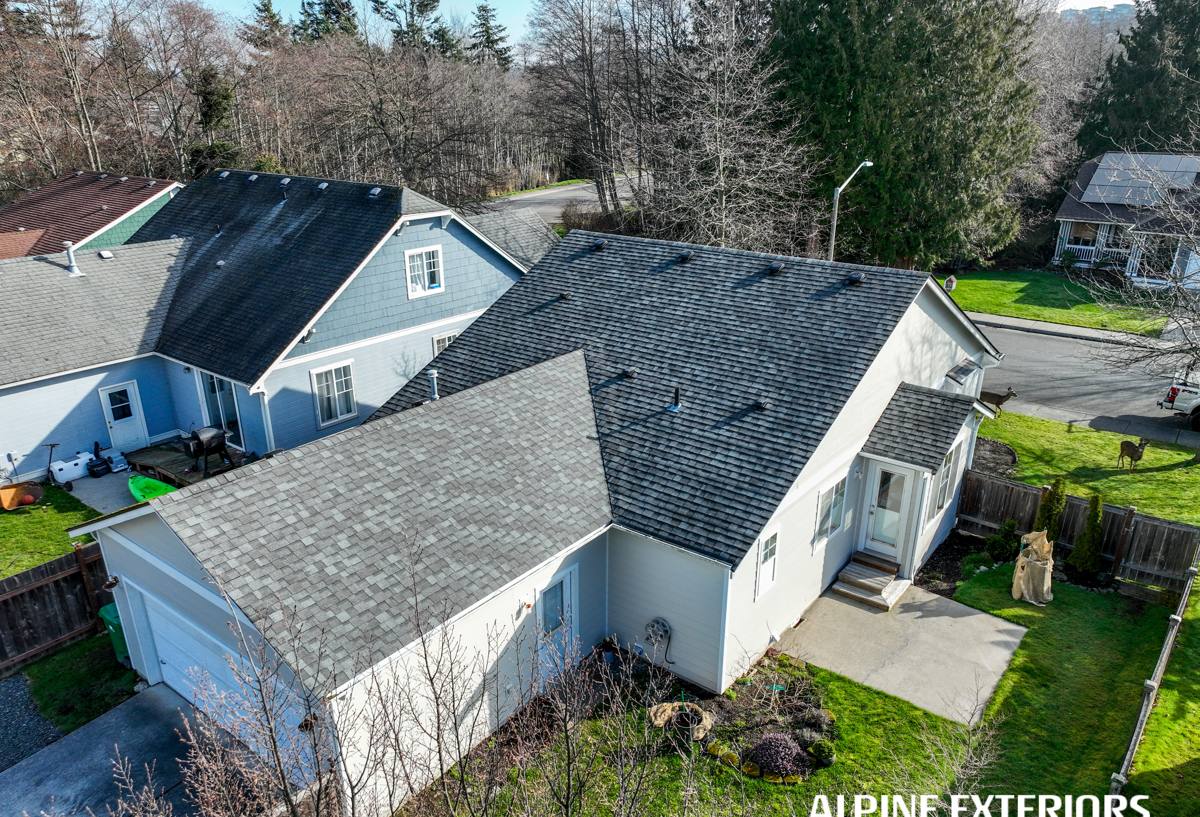
Roof Inspections: The First Step, Not an Upsell
Before we recommend any repair or replacement, we inspect. That means getting on the roof (or using a drone when access or steepness makes that safer), checking the attic for signs of moisture intrusion, and documenting what we find with photos so you can see exactly what we're talking about — not just take our word for it.
A thorough inspection covers:
- Shingle or tile condition — cracking, curling, granule loss, cracked or slipped tiles
- Flashing around chimneys, skylights, and roof-to-wall transitions
- Pipe boots and vent seals, which are common failure points long before the shingles themselves fail
- Attic ventilation and any signs of trapped moisture or heat damage to decking
- Gutter attachment and drainage, especially under tree canopy
- Soft spots in decking that indicate water has already gotten underneath the roofing material
Repairs vs. Replacement: How We Help You Decide
Not every roof problem means a full replacement, and we won't tell you it does. A localized leak from a failed pipe boot or a section of storm-damaged shingles is often a straightforward repair. But a roof with widespread granule loss, multiple leak points, or decking that's been wet for a long time is usually past the point where patching makes financial sense.
| Situation | Usually Repair | Usually Replacement |
|---|---|---|
| Age of roofing material | Under 10-12 years (asphalt) | Approaching or past rated lifespan |
| Leak pattern | Single, localized source | Multiple active leaks or recurring in different spots |
| Decking condition | Solid, dry to the touch | Soft, spongy, or visibly stained from below |
| Shingle condition | Isolated damage from a storm event | Widespread curling, cracking, or granule loss |
| Insurance claim status | Minor wind/hail damage documented | Adjuster has approved full replacement |
We'll walk you through where your roof falls on that spectrum and give you an honest recommendation, including when it makes more sense to hold off on replacement for another year or two.
Materials That Make Sense for This Climate
Architectural Asphalt Shingles
The most common choice for Sarasota County homes, and for good reason — modern architectural shingles rated for high wind zones perform well here when installed with the correct nailing pattern, sealant strip activation, and secondary water barrier underneath. We install to the wind-rating specifications required by current Florida code, not just whatever the minimum manufacturer instructions allow.
Tile Roofing
Concrete and clay tile are popular in this part of Florida for their longevity and heat resistance, but tile roofs are only as good as the underlayment beneath them. Tile itself can last decades, while the underlayment typically needs replacement well before the tile does. If your tile roof is leaking, the tile is often not the problem — the underlayment underneath it usually is.
Metal Roofing
Standing seam metal holds up exceptionally well against wind uplift and is a strong option for homeowners planning to stay long-term, though it comes at a higher upfront cost. In areas with salt exposure, fastener and flashing material quality matters more than with most other roof types, since corrosion is the primary long-term concern.
Why We Focus on Flashing and Underlayment
Homeowners tend to focus on shingles or tile because that's what's visible, but the components that fail first — and cause the most water damage — are almost always flashing, underlayment, and pipe boot seals. A roof can have shingles in decent shape and still leak badly because a valley wasn't flashed correctly or a boot seal dried out and cracked in the sun.
This is also where we see the most corner-cutting from lower-bid roofing work: reusing old flashing instead of replacing it, skipping a proper secondary water barrier, or using standard fasteners instead of corrosion-resistant ones in a coastal-influenced climate. We replace flashing and pipe boots as standard practice on any full roof job, because the labor to do it right during a replacement is a fraction of the cost of tracking down a leak later.
Attic Ventilation: The Part Nobody Sees
A roof isn't just the shingles or tile on top — it's a system that includes how air moves through the attic. Poor ventilation traps heat and humidity, which shortens shingle life from underneath and can lead to moisture problems that show up as mold or rot long before the roofing material itself fails. In a climate with Sarasota's heat and humidity, ridge vents, soffit vents, and proper attic airflow aren't optional extras — they're part of what makes a roofing system last its full rated life. We check ventilation as part of every inspection and replacement, and we'll flag it if your attic isn't breathing the way it should.
Storm Damage, Insurance, and Documentation
After any significant wind event, we recommend a roof check even if you don't see obvious damage from the ground. Wind can lift shingle tabs, crack tile, or loosen flashing in ways that aren't visible from the driveway but that lead to leaks weeks or months later. If damage is found, we document it thoroughly with photos and a written scope, which is the kind of record that makes an insurance claim go smoother. We're happy to meet with an adjuster on-site and speak plainly about what we found — we won't inflate a claim, and we won't downplay real damage either.
Maintenance That Actually Extends Roof Life
A little regular attention goes a long way toward getting the full lifespan out of a roof in this climate. We recommend:
- An annual inspection, or after any major storm with sustained high winds
- Keeping gutters and valleys clear of leaves and debris, especially under tree cover
- Trimming back branches that overhang the roofline to reduce debris and abrasion
- Re-sealing or replacing pipe boots proactively once cracking starts, rather than waiting for a leak
- Checking attic insulation and ventilation periodically, since heat and moisture issues often show up there first
Beyond the Roof: Windows, Siding, and Decks
Roofing problems in a coastal-influenced climate rarely stay isolated to the roof. Wind-driven rain that gets past compromised flashing can travel behind siding, and the same UV and salt exposure that wears down shingles also takes a toll on window seals and exterior decking. Because we handle roofing, siding, windows, and decks, we can look at your home's exterior as a connected system rather than treating each component in isolation — which matters if you're dealing with a leak that seems to be affecting more than just the ceiling below the roof.
Why a Local Crew Matters Here
Roofing codes, wind-rating requirements, and permitting processes in Sarasota County are specific, and they're enforced for good reason given what this region deals with every hurricane season. A crew that works this area regularly knows the inspection process, understands which manufacturer products actually carry the wind ratings the code requires, and isn't learning the local requirements on your project. That local familiarity also means faster response after a storm, when demand for roofing work spikes and homeowners who hired an out-of-town crew are often left waiting.
If you're noticing a leak, storm damage, or simply want an honest read on how much life is left in your roof, we're glad to come take a look. There's no pressure and no obligation — just a straightforward inspection and a clear explanation of what we find, using the form below.