 Sarasota Roofing
 Roofing in University Park: What Our Climate Actually Does to a Home
University Park sits inland from the Gulf but still lives under the same weather patterns that shape the rest of Sarasota County: long, intense sun exposure nearly every month of the year, seasonal tropical systems that bring sustained wind and heavy rain, and a coastal air mass that carries salt and moisture farther inland than most homeowners expect. None of these forces act alone. A roof or exterior wall that's been baking under UV for a decade is more brittle and more vulnerable when a wind event finally tests it. That combination is why we look at every home here as a system, not a single repair.
Homes in this part of Sarasota County are often a mix of ages and construction styles, from older shingle roofs due for their first full replacement to newer builds with tile or metal. Each material responds differently to heat cycling, wind uplift, and driven rain, which is part of why a cookie-cutter approach doesn't hold up here the way it might in a milder climate.
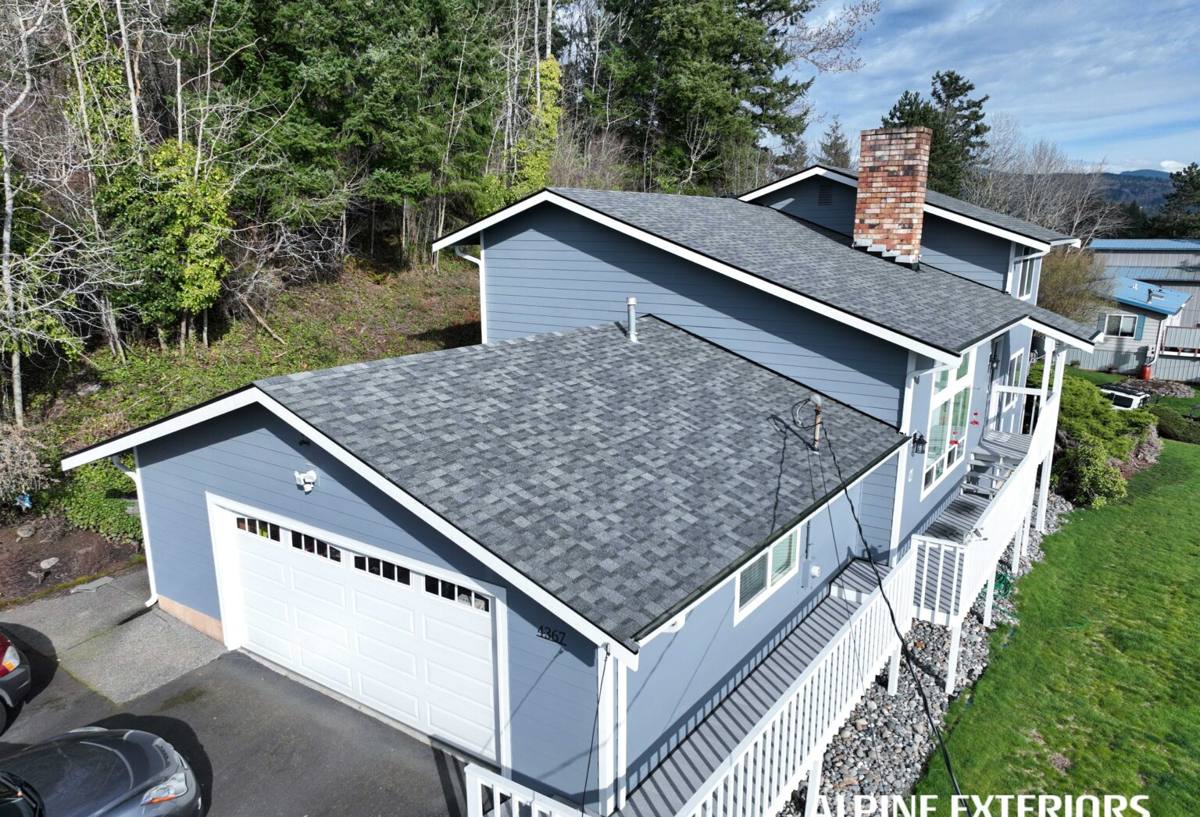
How UV, Wind, and Salt Air Wear Down a Roof Over Time
Year-Round UV Exposure
Florida's sun doesn't take a season off. UV breaks down the oils and resins in asphalt shingles, causing them to become brittle, curl at the edges, and lose granules faster than the same product would in a northern climate. Tile and metal are more UV-resistant by nature, but the underlayment and fasteners beneath them still age on a Florida clock, not a manufacturer's national average.
Hurricane-Force and Sustained Wind
Wind doesn't need to reach hurricane strength to cause damage. Sustained gusts test every nail, clip, and seam on a roof, and it's usually the weakest point — a shingle with marginal nailing, a ridge cap that wasn't properly sealed — that fails first. Once wind gets under one lifted edge, it can peel back a much larger section in a single storm.
Wind-Driven Rain
Rain that falls straight down is rarely the problem. Rain that's being pushed sideways by wind finds every gap in flashing, every undersized nail hole, and every seam that isn't lapped correctly. That's why proper flashing detail and underlayment matter as much as the visible roofing material itself.
Salt Air
Even away from the immediate coastline, salt-laden air accelerates corrosion on exposed metal fasteners, gutters, and flashing. Over years, that corrosion can compromise the very components holding a roof system together, which is why fastener and flashing material selection is a real decision, not an afterthought.
Common Roof Types We Work With in University Park
We see a range of roofing systems on homes in this area, and each has real trade-offs worth understanding before you decide on a repair or replacement.
| Roof Type | Typical Lifespan (FL climate) | Wind Performance | Maintenance Needs |
|---|---|---|---|
| Asphalt Shingle (architectural) | 15-25 years | Good when properly nailed and rated for high wind | Periodic inspection, granule loss monitoring |
| Concrete/Clay Tile | 30-50 years | Very good; individual tiles can crack or dislodge | Occasional tile replacement, underlayment checks |
| Standing Seam Metal | 40-60 years | Excellent when installed with proper clip spacing | Low; periodic fastener and seam checks |
| Flat/Low-Slope (modified bitumen, TPO) | 15-25 years | Depends heavily on membrane attachment and edge detail | Regular drainage and seam inspection |
There's no single "best" material for every home — it depends on your roof's slope, your home's structural design, your budget, and how long you plan to own the home. We'll walk you through the honest trade-offs for your specific roof rather than pushing one product line.
Signs a University Park Roof Needs Attention
Most roof failures don't happen out of nowhere — there are usually warning signs beforehand. A few things worth checking after any significant wind or rain event:
- Missing, cracked, or curling shingles, especially near ridges and edges
- Granules collecting in gutters or at downspout outlets
- Cracked or slipped tiles, or tiles that look misaligned from the ground
- Rust streaks or corrosion around metal flashing, vents, or fasteners
- Water stains on interior ceilings or in the attic near roof penetrations
- Soft spots when walking the roof deck (for accessible low-slope areas)
- Visible daylight through the attic decking at seams or nail holes
- Sagging sections along the roofline
Any one of these on its own isn't necessarily an emergency, but they're worth a professional look before the next storm season rather than after.
Repair or Replace? How We Help You Decide
Not every roof issue means a full replacement, and we don't default to recommending one. The decision usually comes down to a handful of honest factors: the age of the roof relative to its expected lifespan, how widespread the damage is versus isolated to one section, whether the underlying deck and underlayment are still sound, and what your insurance situation looks like. A roof nearing the end of its rated life with scattered damage across multiple slopes is a different conversation than a roof with one localized leak and years of useful life left.
We inspect first, document what we find, and give you a straight answer about which category your roof falls into — along with the reasoning behind it, not just a number.
Siding, Windows, and Decks: The Rest of Your Exterior Envelope
A roof doesn't work in isolation from the rest of the exterior. Water that gets past a compromised roof edge or a gap in siding trim can travel further than homeowners expect before it becomes visible indoors. Because we handle siding, roofing, windows, and decks, we look at these systems together rather than treating each as a separate contractor's problem.
Siding
Siding in this climate takes on UV fading, wind-driven rain infiltration at seams and trim, and — depending on material — expansion and contraction from heat cycling. Proper flashing at windows, doors, and roof transitions matters as much as the siding panel itself; most siding failures we find start at a poorly sealed transition, not the field of the material.
Windows
Impact-rated and wind-rated windows matter in coastal Florida counties, and window installation quality — proper flashing, correct fastening schedule, sealed nailing fins — has as much to do with long-term performance as the window unit itself. A high-end window installed with shortcuts will underperform a mid-range window installed correctly.
Decks
Outdoor decks in Sarasota County face constant UV, humidity, and the occasional heavy wind-driven rain. Fastener corrosion, wood movement, and ledger board attachment are the areas we watch most closely, since those are typically where deck failures originate over time.
Our Process When We Work in University Park
We keep the process straightforward and communicate at each stage:
- Inspection: We assess the roof, siding, windows, or deck in question and document actual conditions — not assumptions.
- Honest assessment: We explain what we found, what's driving it (age, storm damage, installation issue), and the realistic options.
- Written estimate: Clear scope of work and materials, so there's no ambiguity about what you're paying for.
- Permitting: Sarasota County and applicable local jurisdictions require permits for most roofing, siding, and structural deck work — we handle that process rather than skipping it.
- The work itself: Done to code and to manufacturer installation specifications, with attention to the flashing and fastening details that matter most in this climate.
- Final walkthrough: We review the completed work with you before considering the job finished.
Materials and Installation Standards We Hold To
We work with established, widely available roofing, siding, and window product lines rather than obscure or unproven materials, because warranty support and long-term part availability matter to homeowners. Where we steer away from a particular product or installation method, it's almost always about maintenance burden, moisture behavior in our humidity, or installation sensitivity — not a claim that the product is defective. For example, some lower-slope roofing assemblies require very precise membrane seaming to perform well in wind-driven rain; if a home's roof geometry makes that difficult to execute reliably, we'll say so and explain the alternative rather than installing something we don't trust to perform.
Fastener selection is one area we don't cut corners on. In a salt-air environment, using corrosion-resistant fasteners rated for coastal exposure costs more upfront but avoids the premature failures that undersized or mismatched fasteners cause a few years down the line.
Insurance, Permitting, and Wind Mitigation
Florida homeowners insurance increasingly ties premiums to a home's wind mitigation features — things like roof shape, roof-to-wall connections, and opening protection (windows and doors rated for wind-borne debris). When we replace a roof or install new windows, we can provide the documentation many insurers request to reflect those upgrades, which sometimes affects premiums. We're not insurance agents and won't promise specific savings, but we make sure the paperwork accurately reflects what was installed so you can have that conversation with your carrier from an informed position.
Permitting through Sarasota County (or the applicable municipality) isn't optional for most of this work, and skipping it creates real problems at resale or with future insurance claims. We pull the required permits as part of the job.
Maintenance That Extends the Life of Your Investment
Between major service visits, a few simple habits go a long way in this climate:
- Keep gutters and downspouts clear so water isn't pooling against fascia or roof edges
- Trim back tree limbs that overhang the roof — both for debris and for wind-driven branch damage
- Have the roof visually checked after any significant storm, even if nothing looks obviously wrong from the ground
- Rinse accumulated salt residue off exterior siding and metal components periodically if you're closer to the coast
- Watch for the early warning signs listed earlier rather than waiting for an active leak
If you're in University Park and want a straight, no-pressure look at your roof, siding, windows, or deck, we're happy to come take a look. Use the form below to request a free estimate — there's no obligation, and you'll get an honest assessment either way.