 Sarasota Roofing
 The Part of the Roof Nobody Sees
When homeowners in Sarasota think about their roof, they picture shingles or tile. That's the part you see from the driveway, and it's the part that gets all the attention when it's time for a new color or style. But shingles are really just the weather-facing skin of a much more important system underneath. The layers you can't see — underlayment and flashing — are what actually keep water out of your attic, your walls, and your ceiling drywall.
In Sarasota County, where roofs deal with hurricane-force wind gusts, sideways rain, relentless UV exposure, and salt-laden air coming off the Gulf, that hidden system works harder than it does almost anywhere else in the country. A roof can have brand-new, good-looking shingles and still leak like a sieve if the underlayment and flashing beneath them were installed poorly, or have simply aged out. This page walks through what these components actually do, why they fail, and what to look for whether you're maintaining an existing roof or planning a replacement.
What Underlayment Actually Does
Underlayment is the water-resistant layer installed directly on the roof deck, before any shingles or tiles go down. Think of it as the roof's last line of defense. Shingles are designed to shed the vast majority of rainwater, but they are not a perfectly sealed membrane — wind-driven rain, ice, and debris can work moisture underneath them. When that happens, underlayment is what stands between that moisture and your plywood decking.
The Main Types
- Asphalt-saturated felt: The traditional option, available in different weights (commonly 15 lb and 30 lb). It's been used for decades and works fine, but it can absorb moisture, wrinkle in humidity, and degrade faster under prolonged heat.
- Synthetic underlayment: A woven polymer sheet that's lighter, more tear-resistant, and doesn't absorb water the way felt does. Most roofs we install today use synthetic underlayment because it holds up better to the heat and humidity swings common in this part of Florida.
- Self-adhering (peel-and-stick) underlayment: A rubberized asphalt membrane that seals around nail penetrations. This is the product Florida's building code requires in specific vulnerable zones, and many contractors use it more broadly for extra protection.
The right underlayment choice depends on the roof covering, the roof's slope, and local code requirements — it's not a one-size-fits-all decision.
Why Underlayment Matters More Here Than Most Places
Sarasota's climate is genuinely hard on roofing systems. Underlayment does double duty here that it might not have to do in a drier, cooler climate:
- Wind-driven rain: During tropical storms and hurricane-force wind events, rain doesn't fall straight down — it gets pushed sideways and upward under shingle edges. Underlayment is what catches that intrusion before it reaches the deck.
- UV and heat cycling: Florida sun bakes attic spaces and roof decks daily, year-round. Underlayment has to tolerate long exposure to high heat during construction and repairs without becoming brittle.
- Humidity: Constant moisture in the air means any underlayment prone to absorbing water will stay damp longer, which shortens its service life and can encourage deck rot underneath.
This is why we treat underlayment selection as a real decision, not an afterthought — it's cheap insurance against a genuinely tough climate.
What Flashing Does — and Why It Fails First
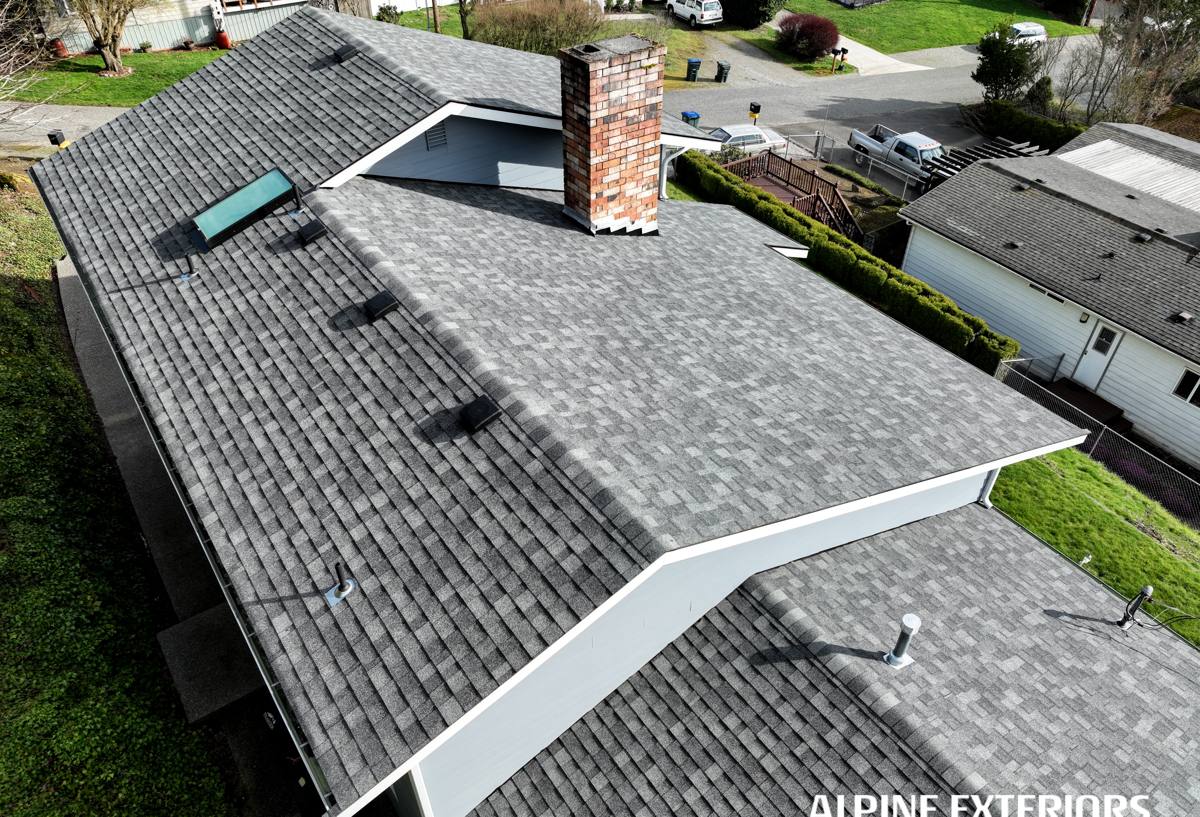
Flashing is the metal (or sometimes rubber/plastic composite) material installed at the roof's vulnerable transition points: where a roof plane meets a wall, around chimneys, at roof valleys, along eaves, and around any roof penetration like a vent pipe or skylight. Shingles alone can't seal these joints — the geometry is too complex. Flashing is what actually redirects water away from these seams.
In our experience, when a roof develops a leak, it's rarely because the shingles failed in the open field of the roof. It's almost always at a flashing point — a valley, a wall intersection, a vent boot, or a chimney. These are the places where water is naturally concentrated and funneled, and where a small gap, a rusted-through spot, or a poorly lapped seam gives water a direct path inside.
Common Flashing Locations
| Location | What Can Go Wrong |
|---|---|
| Roof valleys | Heavy water volume during storms can overwhelm undersized or corroded valley flashing |
| Chimney base | Step flashing and counter-flashing separate over time as materials expand and contract |
| Wall-to-roof junctions | Improperly lapped step flashing lets wind-driven rain track sideways behind siding or stucco |
| Vent pipes and skylights | Rubber boot gaskets crack and shrink from years of direct UV exposure |
| Roof edges and drip edge | Loose or missing drip edge lets wind get underneath the first course of shingles |
Salt Air and Metal Flashing
Because Sarasota is a coastal county, salt air is a real factor in how long metal flashing and fasteners actually last. Salt-laden moisture accelerates corrosion in lower-grade galvanized steel, especially closer to the water. Over years, that corrosion can eat pinholes through flashing or fasteners long before the shingles themselves are due for replacement.
This is a case where using a better-suited material up front — such as aluminum or a higher-grade coated steel appropriate to the exposure — pays off in fewer callbacks and a longer service life for that component, even if it costs a bit more initially. We size flashing material choices to the specific exposure of the home, not just to whatever is cheapest at the supply house.
How These Systems Fail Over Time
Both underlayment and flashing degrade — it's just a matter of time and exposure. Understanding the pattern helps you know what questions to ask when a roof is getting older.
Underlayment Failure Signs
- Wrinkling or telegraphing visible as ripples under the shingle surface
- Brittleness or tearing when disturbed during a repair or inspection
- Staining on the underside of the decking, visible from the attic
- Musty attic odor, which often signals ongoing low-level moisture intrusion
Flashing Failure Signs
- Visible rust streaks below metal flashing points
- Gaps where flashing has pulled away from a wall or chimney
- Cracked or shrunken rubber boots around pipe penetrations
- Water stains on interior ceilings near valleys, chimneys, or dormers
None of these signs mean the whole roof needs to be replaced. Often, targeted flashing repair or resealing addresses the problem directly. But ignoring them because "the shingles look fine" is how a small, cheap fix turns into a rotted deck and interior drywall repair.
What This Means When You're Getting a New Roof
If you're planning a roof replacement, the shingle brand and color are the easy, fun decisions. The underlayment and flashing specifications are where the real long-term performance of the roof gets decided — and they're easy for a homeowner to overlook because a proposal can look identical on paper while describing very different materials underneath.
When you're comparing quotes, it's worth asking directly:
- What underlayment type is included, and is it synthetic or felt?
- Is self-adhering underlayment used in valleys and around penetrations, even if not required code-wide?
- What metal or material is specified for flashing, and is it matched to a coastal environment?
- Is all flashing being replaced, or is old flashing being reused under new shingles?
- Does the proposal name these components specifically, or just say "standard materials"?
Reusing old flashing under a brand-new roof is one of the more common shortcuts in this trade. It can save time and material cost on the job, but it means the newest, most vulnerable part of your roof job is sitting on the oldest, most corrosion-prone hardware. We treat flashing replacement as a standard part of a full roof job, not an upgrade.
Maintenance Between Roof Replacements
You don't have to wait for a full re-roof to protect these components. A periodic inspection focused specifically on flashing points and underlayment condition (where visible from the attic) can catch problems years before they become interior damage.
- Have flashing points inspected after any major named storm, not just for missing shingles
- Check attic decking for staining once a year, ideally after the rainy season
- Ask that vent boots and pipe collars be checked during any roof service call — they're a common, low-cost failure point
- Don't ignore a small ceiling stain; trace it back to its source rather than just repainting over it
The Bottom Line
A roof's shingles get the credit, but its underlayment and flashing do the quiet, unglamorous work of actually keeping Sarasota County homes dry through hurricane season, summer downpours, and year after year of coastal sun and salt air. Paying attention to these components — both when installing a new roof and when maintaining an existing one — is the difference between a roof that performs for its full expected lifespan and one that causes hidden, expensive damage well before its shingles wear out.
If you'd like a straight answer on the condition of your underlayment and flashing, or want a proposal that spells out exactly what materials are being used and where, we're happy to take a look. Reach out for a free, no-pressure estimate using the form below.