 Sarasota Roofing
 Windows Built for Life on a Barrier Island
Siesta Key sits out where the Gulf weather hits first. Homes here take on a combination of stresses that inland Sarasota properties simply don't see in the same intensity: salt-laden air that corrodes metal and pits glass coatings, near-constant humidity that finds every gap in a poorly sealed frame, intense year-round UV that breaks down seals and fades interior finishes, and wind loads that spike hard during tropical systems moving off the Gulf. A window that's fine in a subdivision ten miles inland can fail early on the Key.
"Custom" on this page doesn't mean fancy — it means built to fit what's actually in the wall and rated for what's actually going to hit it. A lot of Siesta Key homes have openings that don't match current stock sizes: older beach cottages, mid-century block homes, additions built in stages over the decades, or canal-front houses with oversized openings for the view. Custom windows are manufactured to the real opening, not the other way around, which matters a lot more here than it does in a newer subdivision with standardized framing.
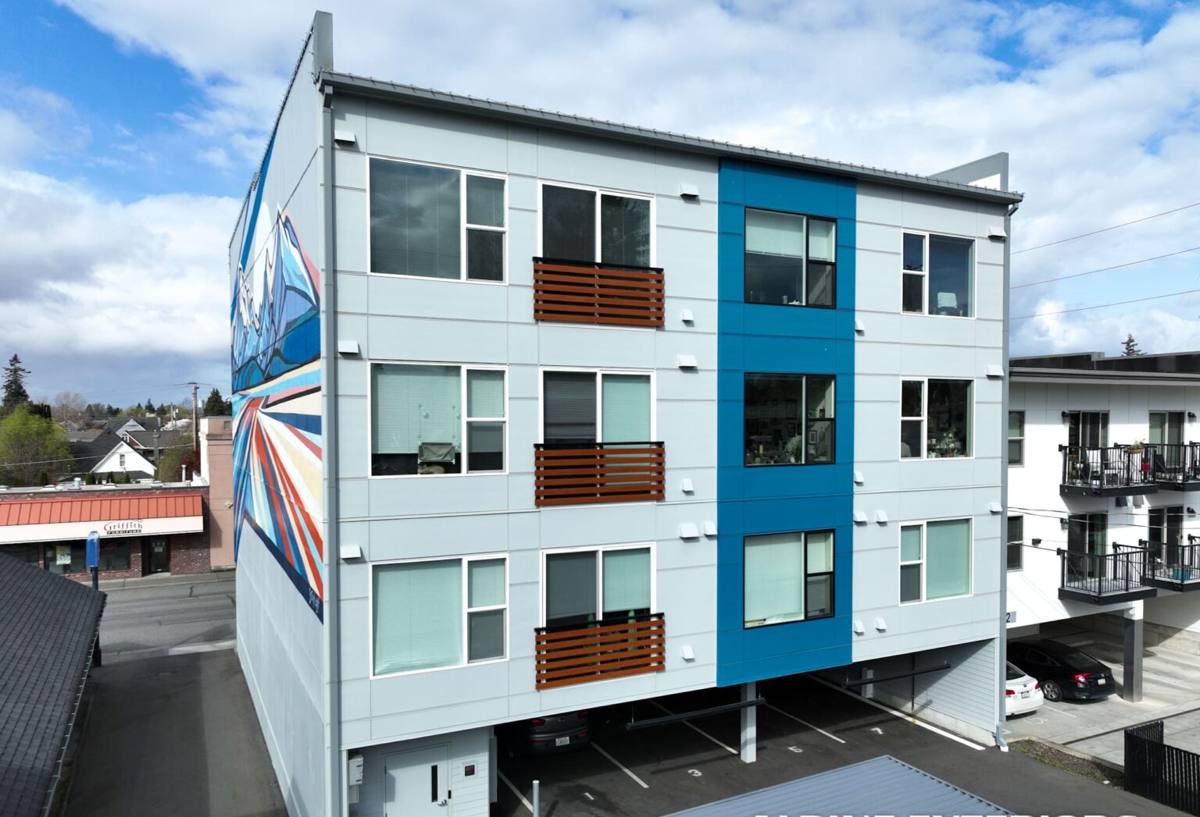
What the Coastal Environment Actually Does to a Window
Salt Air and Corrosion
Airborne salt settles on everything, including window hardware, screen frames, and metal components inside the frame assembly. Left unaddressed, it accelerates corrosion on hinges, locks, and balance mechanisms, and it can degrade lower-grade aluminum finishes faster than the warranty period assumes. This is one of the biggest reasons window choice on the Key isn't a cosmetic decision — it's a maintenance and longevity decision.
Humidity and Condensation
Sarasota County's humidity swings are hard on seals and insulated glass units. A window with a failing seal will fog between the panes — that's moisture getting into the gas fill, and it's not repairable, only replaceable. Proper installation with correct flashing and sealant detailing matters as much as the window unit itself in keeping moisture out of the wall cavity in the first place.
UV Exposure
Direct, near-daily Gulf sun breaks down cheap vinyl, dries out inferior sealants, and fades interior floors and furnishings through unprotected glass. Low-E coatings and UV-blocking glass packages do real work here, not just on the energy bill but on protecting what's inside the house.
Wind and Wind-Driven Rain
Sarasota County falls within Florida's wind-borne debris region under the Florida Building Code, which means replacement windows on Siesta Key generally need to meet impact-resistance or protection requirements tied to your specific design pressure — the wind load your particular opening has to withstand based on the home's height, exposure, and location relative to the coastline. Wind-driven rain during tropical storms and hurricanes will find any weak point in a window's water management, which is why proper installation detailing is just as important as the product rating on the label.
Impact-Rated vs. Protected Openings
Homeowners on the Key generally have two code-compliant paths for meeting wind-borne debris protection, and it's worth understanding both before you decide.
| Approach | How It Works | Trade-offs |
|---|---|---|
| Impact-rated windows | Laminated glass bonded to resist penetration from wind-borne debris; no separate shutters needed | Higher upfront cost; no storm-prep labor; better daily security and sound reduction |
| Non-impact windows + approved shutters | Standard glass paired with code-approved shutters or panels deployed before a storm | Lower window cost, but requires storm prep every time and shutter storage/maintenance |
We'll walk you through which openings on your home make sense for which approach — some homeowners mix both depending on the elevation and exposure of a given wall.
Frame Material: What Actually Holds Up on the Key
| Frame Material | Salt-Air Performance | Maintenance | Notes |
|---|---|---|---|
| Vinyl | Good — won't corrode or rust | Low; occasional cleaning | Quality varies widely; look at UV-stabilization and reinforcement in larger openings |
| Aluminum | Fair to good with marine-grade coatings | Moderate; watch for pitting on lower-grade finishes | Common on canal-front homes for narrow sightlines; coating quality matters more here than inland |
| Fiberglass | Very good — stable and corrosion-resistant | Low | Higher upfront cost; holds paint and finishes well over time |
| Wood / wood-clad | Poor without diligent upkeep | High | We generally steer coastal clients away from unclad wood on exposed elevations — the maintenance burden and moisture risk this close to the Gulf outweigh the look, and we'll say so upfront rather than sell it and let you find out later |
Our Installation Process
- On-site assessment. We measure every opening individually — on older or additioned Key homes, openings are rarely perfectly square or identical to one another, and assuming otherwise leads to bad fits and leaks.
- Design pressure and code review. We confirm what wind load and impact requirements apply to your specific address and elevation under current Sarasota County permitting requirements, not a generic assumption.
- Product selection. We go over impact vs. shutter-protected options, frame material, and glass packages based on your exposure, budget, and how the home is actually used.
- Permitting. Window replacement on Siesta Key requires a permit through Sarasota County (or the Town of Longboat Key's process if your property falls under that jurisdiction). We handle the paperwork and inspection scheduling.
- Removal and installation. Old units come out, openings are inspected for hidden water damage or rot before anything new goes in, and new units are set, shimmed, and fastened to the manufacturer's and code's specifications.
- Flashing and sealant detailing. This is where most window failures actually originate — not in the glass, but in gaps between the frame and the wall. We flash and seal every opening to shed water, not just caulk over it.
- Final inspection and walkthrough. Operation, locks, and seals are checked on every unit before we consider the job done, and we schedule the county inspection as required.
Signs Your Siesta Key Home's Windows Need Attention
- Fogging or moisture between panes of insulated glass — a sign the seal has failed
- Difficulty opening, closing, or locking, especially after humid stretches
- Visible corrosion or pitting on frame hardware
- Drafts or a noticeable temperature difference near the window on windy days
- Water staining on interior sills or walls after heavy rain
- Peeling paint or soft wood around older wood-framed units
- Windows that predate current wind-borne debris requirements and have no impact rating or shutter protection
- Rising cooling costs that track with older, single-pane, or poorly sealed windows
Why Local Experience on the Key Matters
Siesta Key isn't like working a mainland subdivision. Access can be tight on narrower streets, many properties are part of associations with their own architectural review for exterior changes, and older homes often have openings that don't match anything in a standard supplier catalog. A crew that already works this barrier island knows the county's permitting process for coastal properties, knows what design pressures typically apply along different parts of the Key, and doesn't have to learn the logistics of getting equipment and materials to a beachfront or canal-front lot on your job.
That familiarity shows up in fewer surprises — permits that get approved without back-and-forth, installations that account for the specific corrosion and moisture conditions of your block, and a realistic timeline instead of one built for an inland job.
Cost Factors to Expect
Every Siesta Key project is different, so we won't quote a number without seeing the openings, but the main factors that move price are consistent:
| Factor | Why It Matters |
|---|---|
| Impact vs. non-impact glass | Impact-rated laminated glass costs more upfront but removes the need for storm shutters |
| Opening size and quantity | Larger, non-standard, or numerous openings increase material and labor |
| Frame material | Fiberglass and marine-grade aluminum cost more than standard vinyl but hold up better to salt air |
| Structural condition | Hidden rot or water damage found during removal adds repair scope before new units go in |
| Permitting complexity | Additional review can apply depending on your association or jurisdiction |
Maintaining Your Windows on the Key
Even a well-installed, correctly rated window needs upkeep in this environment. Rinse frames and hardware periodically to clear salt buildup, especially on beachfront-facing elevations. Check and lubricate locks and moving hardware a couple of times a year. Inspect exterior sealant lines for cracking or separation after storm season, since UV and wind-driven rain both work against caulk over time. Small maintenance now is a lot cheaper than a failed seal or a corroded lock set later.
If you're weighing a window project on Siesta Key — whether it's a full-home replacement, matching custom sizes in an older cottage, or upgrading exposed elevations to impact glass — we're happy to take a look and give you a straight, no-pressure estimate based on what your home actually needs. Reach out through the form below to get started.