 Sarasota Roofing
 Why Siesta Key Roofs Age Differently
A roof on Siesta Key does not live the same life as a roof five miles inland. This barrier island sits directly against the Gulf, which means every roof here is dealing with salt-laden air, near-constant UV exposure, and wind-driven rain that finds its way into any gap in flashing or underlayment. Add in the wider Sarasota County exposure to hurricane-force winds during storm season, and you have a roofing environment that is genuinely more demanding than most of the state realizes.
Salt air is the part homeowners underestimate most. It accelerates corrosion on exposed metal fasteners, drip edge, flashing, and vent stacks, and it can shorten the useful life of lower-grade materials that would otherwise perform fine a few miles inland. Combine that with intense year-round sun breaking down asphalt oils and adhesives, and roofs on the Key tend to show granule loss, curling, and sealant failure sooner than their rated lifespan suggests.
None of this means a roof replacement here has to be complicated or expensive beyond reason — it means the materials, fasteners, and installation details need to match the environment, not just meet the minimum code requirement.
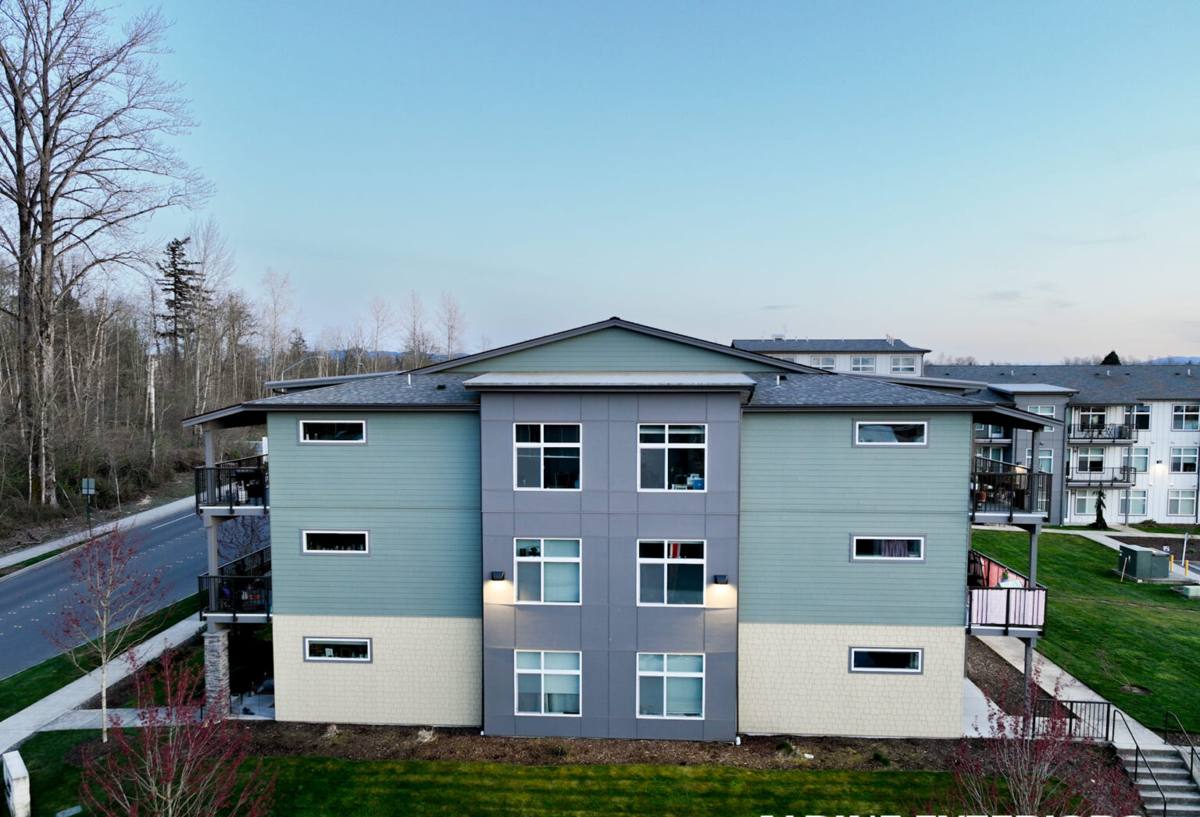
Signs a Siesta Key Roof Needs Replacing, Not Patching
Repairs make sense for isolated damage. Replacement becomes the honest recommendation when the roofing system as a whole has aged out or been compromised in more than one place. On coastal homes we typically see this pattern show up as:
- Granule loss heavy enough that shingle mat is visible in multiple areas, not just one storm-damaged spot
- Corroded or loosening fasteners on flashing, drip edge, or vent boots from years of salt exposure
- Soft spots or staining on the underside of the roof deck, often found during an attic inspection
- Multiple prior repairs in different sections, which usually signals the underlayment is failing broadly, not locally
- A roof nearing or past the effective end of its material life, especially if it predates current Florida Building Code wind-borne debris requirements
If your roof only shows one or two of these, a repair may genuinely be the right call — we would rather tell you that than sell a replacement you do not need yet.
The Insurance Angle
Many Siesta Key homeowners are also weighing roof age against insurance requirements. Florida insurers increasingly ask for roof age and condition documentation, and some will not renew or will raise premiums on roofs past a certain age regardless of visible condition. That is a legitimate reason to replace proactively, separate from actual roof failure — we can document existing condition either way so you have what you need for your carrier.
Choosing the Right Material for a Barrier Island Home
There is no single "best" roofing material for Siesta Key — the right choice depends on your home's structure, your budget, your HOA or condo association rules if applicable, and how long you plan to own the home. Here is how the common options actually compare in this specific climate:
| Material | Wind Performance | Salt Air Behavior | Typical Lifespan Here | Maintenance |
|---|---|---|---|---|
| Architectural asphalt shingle | Good when properly rated and fastened | Moderate — fasteners and flashing are the weak point | 15–20 years | Periodic inspection of flashing and sealant |
| Standing seam metal | Excellent, especially with concealed fasteners | Strong when coated aluminum or coastal-rated steel is used | 30–45 years | Low; occasional coating check |
| Concrete or clay tile | Very good when properly fastened to a rated deck system | Good — tile itself resists salt, but underlayment does the real work | 30–50 years | Underlayment replacement usually needed before the tile itself fails |
Metal and tile carry a higher upfront cost but tend to make more sense for homeowners planning to stay long-term, since their lifespan and wind performance offset the price difference over time. Asphalt remains a sound, budget-conscious choice as long as it is a wind-rated architectural product with corrosion-resistant fasteners and flashing — not a builder-grade product chosen for cost alone.
Wind Rating, Code, and Permitting for Sarasota County
Sarasota County falls within Florida's wind-borne debris region, which means roof replacements here are held to specific requirements around underlayment, fastening patterns, and edge/ridge detailing — not just "meets code" in a general sense. A permit is required for a full roof replacement, and the finished work has to pass inspection before it is considered complete.
This matters more on Siesta Key than it might elsewhere, because a roof that is only marginally compliant is more likely to lose shingles, tile, or flashing in the kind of wind-driven rain events this coastline sees regularly. We pull the permit, build to the fastening and underlayment specifications the code requires for this wind zone, and get the final inspection signed off — that paperwork trail also becomes useful documentation for insurance later.
What a Correct Roof Replacement Actually Involves
A roof replacement is more than swapping old material for new. Done right on a coastal home, it involves several steps that are easy to skip and hard to notice once the new roof is on:
Full Tear-Off and Deck Inspection
We remove the existing roofing down to the deck rather than layering over it. This is the only way to actually see the deck condition — soft, delaminated, or water-stained plywood needs to be replaced before anything new goes down, and skipping this step just buries a problem under new shingles.
Underlayment Upgrade
Given the wind-driven rain this area sees, we treat underlayment as a real second layer of protection, not a formality. Self-adhering underlayment at eaves, valleys, and penetrations gives the roof a backup barrier if wind ever drives water past the primary roofing material.
Corrosion-Resistant Flashing and Fasteners
Given the salt air, we use flashing, drip edge, and fasteners rated for coastal exposure rather than standard-grade hardware. This is one of the most common places we see older roofs fail early on the Key, and it costs little extra to get right at installation.
Ventilation
Proper attic ventilation matters as much for heat as for moisture — intense year-round sun drives attic temperatures high, and poor ventilation shortens shingle life from underneath while also raising cooling costs. We check and correct intake and exhaust balance as part of the replacement, not as an afterthought.
Ridge, Edge, and Penetration Detail
Ridge caps, edge metal, and every pipe or vent penetration are common failure points in high wind. These get sealed and fastened to the same standard as the field of the roof, not treated as minor trim work.
Our Process From Estimate to Cleanup
We keep the process straightforward and try to minimize surprises, which matters most on an island where scheduling and access take more planning than a typical inland job:
- On-site inspection and honest assessment — we look at the whole roofing system, not just the obvious damage, and tell you plainly whether replacement or repair is the right call.
- Written estimate with material options — pricing broken out by material choice, so you can see the real trade-offs rather than a single number.
- Permitting — we handle the Sarasota County permit application and coordinate required inspections.
- Scheduling around access and weather — bridge traffic, staging space, and seasonal weather windows all factor into timing on the Key.
- Tear-off, deck repair, and installation — done in a continuous timeline where possible, since a partially exposed roof is a real risk during Florida's wetter months.
- Site cleanup and magnetic nail sweep — full debris removal and yard/driveway sweep before we consider the job finished.
- Final inspection and documentation — permit closeout paperwork and photos you can keep for insurance or resale records.
Working Around Seasonal and Rental Schedules
A large share of Siesta Key homes are vacation rentals, seasonal residences, or investment properties, which changes how a roof project needs to be scheduled compared to a typical full-time residence. We plan around guest turnover dates, association notice requirements, and off-season windows where possible, and we communicate a realistic timeline upfront rather than an optimistic one that slips. If your property has a homeowners' or condo association with exterior approval requirements, we can work from whatever documentation they require for material and color approval.
Why Hiring a Crew That Already Works Siesta Key Matters
Roofing logistics on a barrier island are genuinely different from working inland. Bridge access, limited staging space on smaller lots, seasonal traffic, and in some cases HOA or condo exterior guidelines all affect how a job gets planned and executed. A crew that already works this area on a regular basis has already solved these logistics — dumpster placement, material delivery timing, noise and access considerations for close-set neighborhoods — rather than learning them for the first time on your project.
Just as important is material familiarity. A contractor who regularly replaces roofs in this specific salt-air, high-UV, high-wind environment knows which fastener grades, underlayment products, and flashing details hold up here versus which ones look fine on paper but underperform a few years in. That kind of local, repeated experience is hard to substitute with general roofing knowledge alone.
Questions Worth Asking Before You Hire
- Are you licensed and insured to work in Sarasota County, and can you provide proof?
- Will you pull the permit yourself, and will the job be inspected before closeout?
- What underlayment and fastener grade do you use for coastal, salt-air exposure?
- Can you provide a written estimate that breaks down material options and their trade-offs?
- How do you handle scheduling around rental turnover or association notice requirements, if applicable?
- What documentation will I receive for insurance purposes once the job is done?
A contractor who answers these plainly, without hesitation, is generally one who does this work regularly and correctly.
Getting Started
If your Siesta Key roof is showing its age, took storm damage, or you simply want an honest read on how much life it has left, we're happy to come take a look. The estimate is free, there's no pressure attached to it, and you'll get a straight answer about whether replacement makes sense now or can reasonably wait — just fill out the form below to get started.