 Sarasota Roofing
 Why Siesta Key Roofs Need a Different Approach to Storm Repair
Siesta Key sits out on the Gulf, which means every roof on the island takes a harder hit than a comparable roof just a few miles inland in Sarasota. Storms arrive with less to slow them down before they reach the coastline, and the same barrier-island position that gives these homes their views also gives their roofs constant exposure to salt-laden wind, driving rain, and some of the most intense sun in the state. Storm damage repair here isn't just patch-and-go work — it has to account for a roof that's already been weakened by that year-round exposure before the storm ever hit.
We treat Siesta Key storm repair calls differently than a standard repair ticket. A roof on the island that looks fine from the ground can have lifted shingle tabs, compromised fastener holes, or saturated underlayment that a roof in a more sheltered part of Sarasota County wouldn't have after the same storm. Getting the repair right means understanding both the acute damage from the event and the condition the roof was already in.
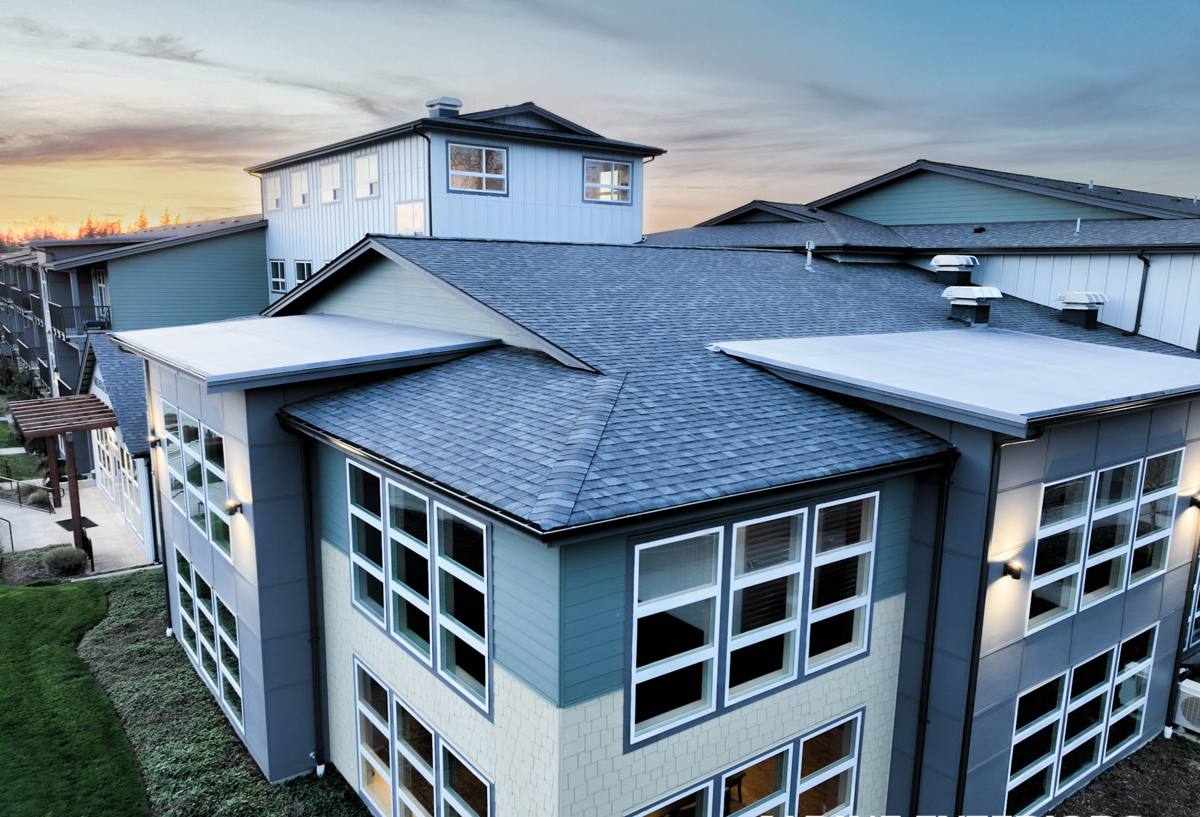
What Hurricane-Force Winds Do to a Roof Like Yours
Wind doesn't just tear shingles off — it works a roof over in stages, and most of the damage isn't visible from the driveway.
Uplift and Edge Failure
Wind pressure is highest at roof edges, corners, and ridges. That's where you'll typically find the first shingles or tiles to lift, crack, or separate from their fasteners. Once the edge fails, wind can get underneath the field of the roof and peel back much larger sections in the next gust.
Wind-Driven Rain Intrusion
During a tropical storm or hurricane, rain doesn't fall straight down — it's pushed sideways and upward under laps, flashing, and ridge caps that are built to shed water falling normally, not rain being forced in at an angle. This is how a roof can leak during a storm even when no shingles are visibly missing afterward.
Impact Damage
Debris carried by high wind — branches, loose fascia, patio furniture, palm fronds — can crack tiles, dent metal panels, or puncture shingle mat. On a barrier island with mature landscaping and close-set homes, debris impact is one of the most common sources of storm damage we find on Siesta Key roofs.
Salt Air, UV, and the Damage That Happens Between Storms
Storm damage repair on Siesta Key is rarely just about the storm. Between named storms, the roof is dealing with two things almost nowhere else in the county gets in the same combination: salt air and near-constant, intense UV exposure.
Salt air accelerates corrosion on exposed metal — flashing, fasteners, drip edge, and any exposed roofing hardware. A fastener that's been quietly corroding for a few seasons holds far less than a fresh one, which is part of why wind uplift can start at a lower wind speed on an island roof than it would on an identical roof further inland. Meanwhile, Florida's UV load bakes shingle asphalt and breaks down sealants faster than in most of the country, so a roof's ability to flex and reseal itself after wind stress is already reduced before a storm even arrives.
This is why we always inspect beyond the obvious storm damage when we're on a Siesta Key roof. Repairing only what the storm broke, while ignoring the salt-and-sun fatigue already in play, sets a homeowner up for the same repair call after the next storm.
What a Correct Storm Damage Repair Actually Involves
A proper storm repair is more than swapping out missing shingles. Done right, it addresses the roof as a system — deck, underlayment, flashing, and the surface material — not just the parts a homeowner can see from the yard.
Stopping Water First
If a roof is actively leaking or has exposed decking, the first job is emergency drying-in: tarping or temporary underlayment secured well enough to handle continued wind and rain until permanent repairs can be made. Skipping this step, or doing it loosely, is how a one-day storm turns into weeks of interior water damage.
Checking the Decking, Not Just the Surface
Once it's safe to open the roof up, we check the plywood or OSB decking underneath the damaged area. Wind-driven rain that got past the shingle layer often soaks into the deck before anyone notices a ceiling stain. Soft, delaminated, or water-stained decking has to be replaced — patching new shingles over compromised decking doesn't hold, and it won't pass a follow-up inspection or satisfy a warranty.
Underlayment and Flashing
The underlayment is the roof's real waterproofing layer; the shingles or tiles on top are mostly there to shed bulk water and protect the underlayment from UV. After storm damage, we replace underlayment in the affected section rather than reusing anything that got wet, and we pay close attention to flashing around penetrations — vents, skylights, chimneys — since flashing failure is one of the most common causes of a leak that reappears after a repair that looked complete.
Matching the Existing Roof
For a partial repair, matching the existing shingle profile, color, and tile style matters both for appearance and for making sure the repaired section performs the same as the rest of the roof under wind load. When an exact match isn't available — which happens with older roofs — we'll walk you through the honest options rather than mixing materials that behave differently in wind and heat.
Our Storm Damage Repair Process
Homeowners calling us after a storm are usually stressed, sometimes dealing with an active leak, and often trying to sort out insurance at the same time as the physical repair. We keep the process straightforward:
- Same-priority assessment. We inspect the full roof, not just the area you can see damage on, since wind damage on Siesta Key often shows up in more than one spot.
- Emergency mitigation. If the roof is open to weather, we tarp and secure it the same visit whenever possible to stop ongoing water intrusion.
- Documentation. We photograph and note the damage in a way that's useful if you're filing an insurance claim, before any repair covers it up.
- Written scope and honest options. You get a clear explanation of what needs repair versus what's optional, and roughly what each involves — no pressure toward a full replacement if a targeted repair is the honest answer.
- Repair and final inspection. We complete the work to code, then walk the roof again to confirm the repair is sound before we consider the job done.
Insurance Claims After a Storm
Most Siesta Key storm repairs involve an insurance claim, and Florida homeowners' policies have their own quirks — hurricane deductibles that are often a percentage of the home's insured value rather than a flat dollar amount, and separate wind coverage on some policies. We're not a public adjuster and we don't handle your claim for you, but we can provide the kind of damage documentation and repair scope adjusters expect to see, and we're glad to answer straightforward questions about what's storm-related versus what's pre-existing wear, since that distinction affects what a claim will cover.
One note worth knowing: a documented wind mitigation inspection can affect your windstorm insurance premium in Florida, and storm repair work is a reasonable time to ask your insurer whether an updated inspection makes sense once repairs are complete.
What Affects the Cost of a Storm Damage Repair
Every storm repair is different, but the same handful of factors drive the price on nearly every job. We'd rather explain them upfront than hand you a number with no context.
| Factor | Why It Matters |
|---|---|
| Extent of decking damage | Wet, soft, or rotted decking has to be cut out and replaced before new roofing goes on — this is the single biggest cost swing in most storm repairs |
| Size of the affected area | A localized wind-lifted section costs far less to repair than damage spread across multiple roof planes |
| Roofing material | Tile and metal repairs generally take more labor and specialized material than asphalt shingle repairs of the same size |
| Underlayment condition | If the underlayment around the damaged area is also sun-degraded, replacing a wider section now can prevent a repeat leak later |
| Access and roof pitch | Steeper roofs and homes with limited access for equipment take longer to work safely |
| Material matching | Discontinued or older shingle and tile profiles can require sourcing time or a broader repair area to blend properly |
Because of these variables, we give real numbers after a physical inspection rather than a phone estimate — a fair price depends on what's actually under the surface, not just what's visible from the ground.
Why a Crew That Already Works Siesta Key Matters
Storm repair work on a barrier island isn't identical to storm repair a few miles inland, and it shows up in small but real ways:
- Familiarity with Sarasota County permitting requirements for storm repairs, so work doesn't stall waiting on paperwork a crew unfamiliar with the area hasn't dealt with before
- Experience with condo association and HOA notification requirements that are common on the Key, so repairs on shared or adjacent structures don't create friction with neighbors or a board
- Knowledge of how bridge traffic and seasonal congestion affect scheduling, so we plan realistic timelines instead of promising a same-day fix we can't logistically deliver
- An understanding of which materials and fastening methods hold up to direct Gulf exposure versus what's adequate a few miles inland
- A track record and local reputation to stand behind, rather than a traveling storm crew that's gone once the check clears
After a major storm, it's common for out-of-area crews to canvass hard-hit coastal neighborhoods offering fast repairs. Some of that work is fine, but a lot of it is rushed, undocumented for insurance purposes, and gone by the time a problem shows up. A local crew has a reason to get it right the first time and to still be reachable if something needs a follow-up look.
After the Storm: What to Check Before You Call
A quick, safe check from the ground can help you describe the damage accurately and speed up the assessment:
- Look for shingles, tiles, or roofing debris in the yard, gutters, or pool
- Check ceilings and upper-floor walls for new water stains, especially near vents, skylights, or chimneys
- Note any visible sagging, bare decking, or daylight showing through the roofline
- Check attic spaces if accessible, for damp insulation or water on the decking underside
- Photograph anything you can see safely from the ground before cleanup begins
- Avoid walking a wind-damaged roof yourself — fastener failure isn't always visible, and a compromised deck can give way underfoot
If you have active interior leaking, protecting flooring and belongings comes first; the roof repair itself should be handled by a licensed crew, not attempted as a DIY fix, especially with a damaged deck underneath.
Reducing Storm Damage Before the Next One
You can't storm-proof a roof, but you can reduce how much damage the next one does. Regular inspections that catch failing sealant, lifted edges, or corroding fasteners before they're a problem matter more on Siesta Key than almost anywhere else in the county, simply because salt air and UV shorten the timeline on all of it. Keeping gutters and drains clear ahead of storm season reduces the chance of water backing up under the roof edge during heavy rain, and trimming back landscaping near the roofline cuts down on impact debris during high wind. None of this prevents storm damage outright, but a well-maintained roof consistently comes through a storm in better shape than one that was already due for attention.
If your Siesta Key roof has storm damage — or you're not sure whether what you're seeing is worth a repair call — we're happy to take a look and give you a straightforward, no-pressure assessment. Use the form below to request a free estimate.