 Sarasota Roofing
 Roofing on Siesta Key Comes With Its Own Rules
Siesta Key sits out on the Gulf, and that changes what a roof has to deal with compared to a house a few miles inland in Sarasota. Salt-laden air moves across the island constantly, sun exposure is closer to relentless than seasonal, and when a storm does roll through, it hits a barrier island first and hardest. A roof repair here isn't just patching a leak — it's working on a system that's been aged faster than most by the environment around it.
We've repaired roofs across Sarasota County long enough to know that a repair approach that works fine on the mainland can fall short on the Key. Fastener corrosion happens sooner. Sealants break down faster under UV. Wind uplift risk is higher this close to open water. Every repair we do out here accounts for that, not as an upsell, but because doing it any other way just means you're back here again in a year or two.
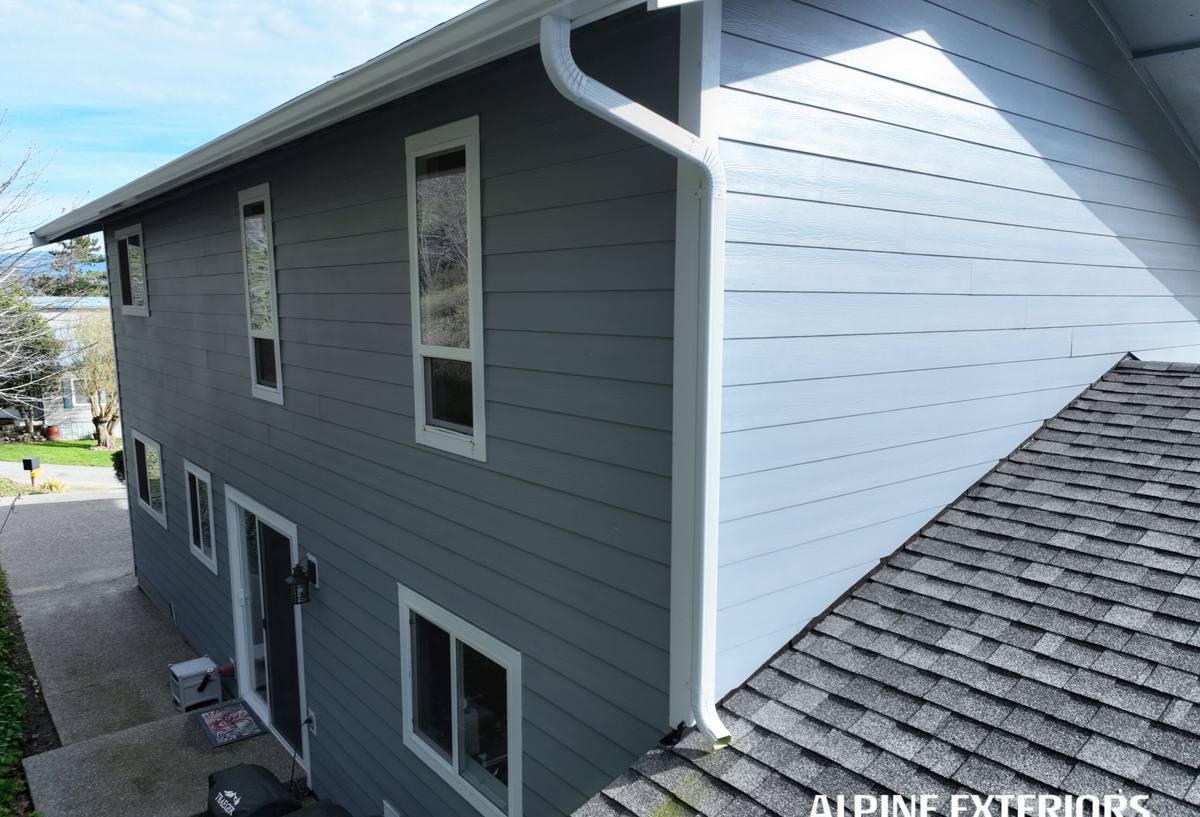
What Salt Air, Sun, and Wind Actually Do to a Roof
Salt Air and Corrosion
Airborne salt settles on every exposed surface, including metal flashing, fasteners, drip edges, and vent stacks. Over time it accelerates rust and pitting on anything that isn't rated for coastal exposure. A fastener that would last decades a few miles inland can weaken years earlier on Siesta Key. When we're repairing a roof out here, we're checking every exposed metal component for corrosion, not just the spot where the leak showed up.
Year-Round UV Exposure
Florida sun is intense everywhere, but a barrier island gets it with less obstruction — fewer mature trees, more reflected light off open water and sand. UV breaks down asphalt shingle granules, dries out and cracks sealants, and shortens the effective life of roofing cement and caulking. A repair that leans on sealant alone, without addressing the underlying material, tends to fail faster here than it would elsewhere in Sarasota County.
Wind-Driven Rain and Storm Load
Hurricane-force wind doesn't just tear at shingles and tiles — it drives rain sideways and upward, forcing water into gaps and laps that would never see moisture in a normal rainstorm. That's why so many "mystery leaks" on the Key aren't roof-deck failures at all; they're wind-driven water finding its way in through flashing, ridge caps, or vent boots that were fine in ordinary weather but couldn't hold up once wind pressure got involved.
Common Repair Issues We See on Siesta Key Homes
- Corroded or lifted flashing around chimneys, walls, and roof-to-wall transitions, often the real source of a leak that looks like it's coming from the shingles
- Cracked or brittle pipe boots and vent seals from UV exposure, a very common, very fixable leak point
- Wind-lifted or missing shingles and tiles after storm systems, sometimes just a handful of units in one section
- Sealant failure at ridge caps, valleys, and skylight curbs where old caulking has dried out and pulled away
- Fastener backout where corroded nails or screws have worked loose from repeated thermal expansion and wind flex
- Soffit and fascia water intrusion from wind-driven rain getting up under the eaves
What a Correct Repair Actually Involves
A lot of roof repairs fail early because they treat the symptom instead of the cause. If a ceiling stain shows up under a valley, patching the shingle above the stain without checking the valley flashing underneath just buys time. Here's how we approach it instead:
1. Find the Real Source
Water travels. The spot where it shows up inside the house is often several feet from where it's actually entering the roof system. We trace the path — checking flashing, underlayment, decking, and penetrations — before we touch a single shingle.
2. Inspect Beyond the Immediate Damage
On a Siesta Key roof, if one area shows UV or salt-related wear, nearby areas are usually on the same timeline. We check surrounding flashing, fasteners, and seals while we're already up there, so we're not missing a second failure point that's a few months behind the first.
3. Use Materials Suited to Coastal Exposure
Corrosion-resistant fasteners and flashing, sealants rated for sustained UV exposure, and underlayment that holds up under repeated wind-driven moisture — these aren't premium extras out here, they're the baseline for a repair that's actually going to hold.
4. Match the Repair to the Existing Roof
Whether it's asphalt shingle, tile, or metal, the repair needs to integrate cleanly with what's already on the roof — correct overlap, correct fastening pattern, and materials that won't react poorly against the existing system.
5. Confirm the Fix Holds Under Real Conditions
We don't consider a repair finished until we've checked that water sheds correctly and there's no remaining path for wind-driven rain to get underneath the repaired section.
Repair vs. Replacement: How We Help You Decide
Not every issue on a Siesta Key roof means it's time for a full replacement, but the coastal environment does shorten that timeline compared to inland homes. Here's a general framework for how we think about it:
| Factor | Usually Points to Repair | Usually Points to Replacement |
|---|---|---|
| Age of roof | Under 10-12 years | Approaching or past manufacturer's expected lifespan |
| Extent of damage | Isolated to one section or component | Widespread across multiple areas |
| Underlying decking | Sound, no rot or soft spots | Soft, delaminated, or water-damaged decking |
| Corrosion of fasteners/flashing | Localized | Widespread pitting or rust across the roof |
| Storm history | Recent isolated wind event | Cumulative damage from multiple storm seasons |
We'll always give you a straight answer on which side of that line your roof falls on. If a repair is the honest answer, that's what we'll recommend.
Why Wind Uplift Resistance Matters More on the Key
Being closer to open Gulf water means wind speeds during storm events tend to run higher on Siesta Key than they do a few miles inland. That matters for repairs specifically because uplift failures usually start small — a few shingles or tiles with weakened fastening — before cascading into a larger area of exposed decking once wind gets underneath the edge. Part of a proper repair is making sure fastening patterns and edge details meet current wind resistance standards for the area, not just replacing what failed with an identical, equally vulnerable install.
Our Process for Siesta Key Repair Calls
- Initial assessment — we look at both the interior damage (if any) and the exterior roof to trace the actual entry point
- Straight explanation — we walk you through what's failing, why, and what the repair will involve, in plain terms
- Written estimate — a clear scope and cost range before any work starts
- Repair work — using materials suited to coastal exposure, matched to your existing roofing system
- Final check — confirming the fix addresses the actual cause, not just the visible symptom
Why a Crew That Already Works Siesta Key Matters
Working on a barrier island isn't quite the same as working on the mainland. Access can be tighter, permitting and inspection requirements tie back to Sarasota County's coastal building standards, and materials need to be selected with salt exposure in mind from the start — not swapped in later after something fails early. A crew that's already familiar with those conditions moves faster and makes fewer assumptions that don't hold up out here.
We also know that homes on the Key range from long-time family properties to seasonal rentals, and either way, a roof repair needs to be done right the first time — nobody wants a callback mid-season or a leak that shows up while the house is unoccupied for weeks. A correct repair, done with the right materials for this environment, is what keeps that from happening.
A Practical Checklist Before You Call for Repair
- Note where you're seeing water — ceiling stains, wall streaking, or visible drips — and when it started (during a storm, or gradually)
- Check for any missing or visibly lifted shingles or tiles from the ground, without climbing up yourself
- Look at soffits and fascia for staining or soft spots
- Note the approximate age of the roof if you know it
- Mention any recent storm activity, even if it seemed minor at the time
That information helps us diagnose faster and gives you a more accurate estimate before we've even stepped on the roof.
Get a Free, No-Pressure Estimate
If you're dealing with a leak, storm damage, or just want a roof on Siesta Key looked at before it becomes a bigger problem, we're happy to take a look and give you an honest assessment. Use the form below to request a free estimate — no pressure, no obligation, just a straight answer on what your roof needs.