 Sarasota Roofing
 Siesta Key's Barrier Island Climate Is Hard on Siding
Siesta Key sits right on the Gulf, and that location is exactly what makes it beautiful — and exactly what makes exterior materials fail faster than they would ten or fifteen miles inland. Salt-laden air corrodes fasteners and trim. Intense, near-constant UV breaks down pigments and surface coatings. Wind-driven rain gets pushed sideways into seams and laps that would stay dry in a normal rainstorm. And during hurricane season, sustained coastal winds put real uplift and impact stress on anything attached to the outside of a home.
None of that is unique to any one siding style — it's the baseline for every exterior product on the island. But it matters a lot when you're choosing board and batten siding specifically, because the vertical panel-and-batten system has its own seams, fastening patterns, and drainage path that either hold up to this environment or don't, depending on the material and how it's installed.
Why Standard Siding Struggles Here
Materials rated for a generic national market are usually engineered around moderate humidity and moderate UV exposure. On a barrier island in Sarasota County, humidity is rarely moderate, and UV exposure is closer to constant. Coatings that would last a full paint cycle inland often chalk, fade, or start lifting years early here. Fasteners that would be fine in a drier climate can streak with rust and eventually loosen. That's the gap a correctly specified, correctly installed system needs to close.
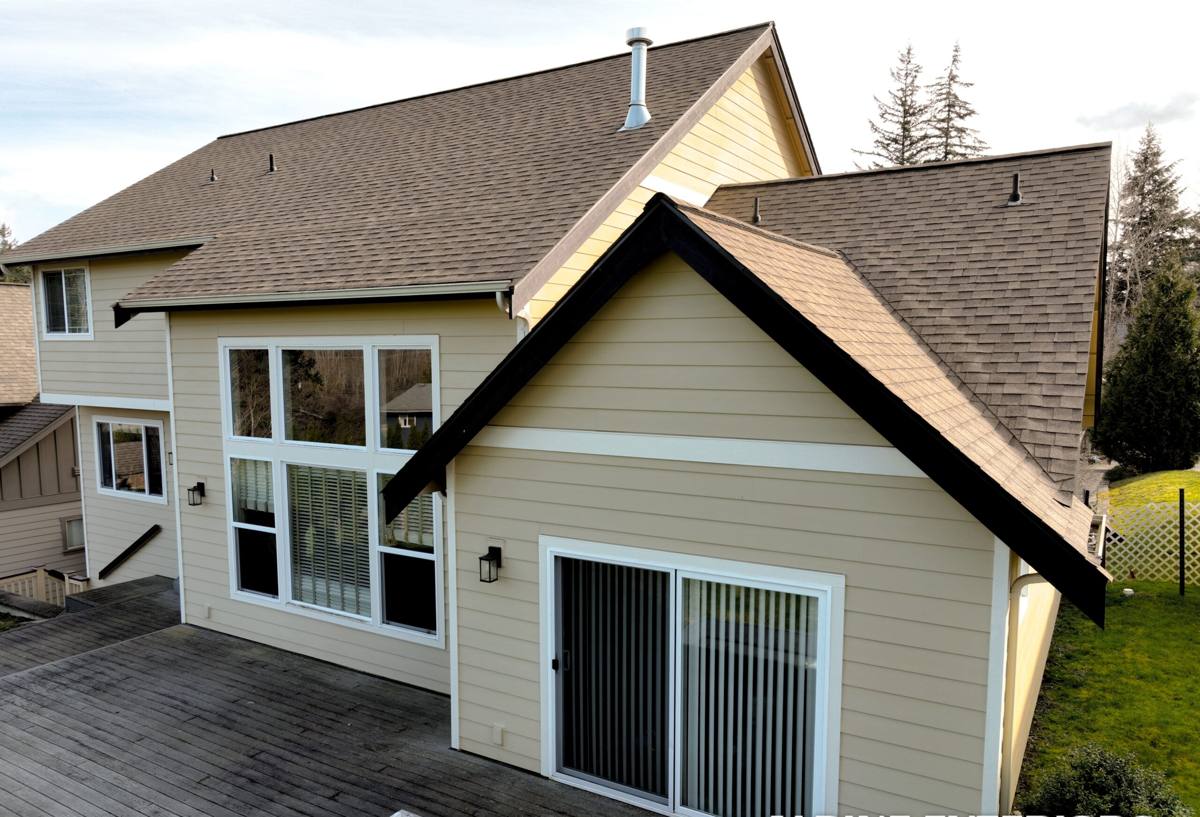
What Board & Batten Siding Is — And Why It Suits Siesta Key Homes
Board and batten is a vertical siding system: wide flat panels installed side by side, with narrower battens covering the joints between them. It's one of the oldest siding styles in American building, and it has a natural fit with the beach cottage, Old Florida, and modern coastal architecture common around Siesta Key. The strong vertical lines read as clean and unfussy, and the style pairs well with elevated homes, wide porches, and simple gable rooflines that are typical of Gulf Coast island construction.
Beyond the look, board and batten has a practical case for coastal homes. With fewer horizontal laps than traditional clapboard, there are fewer horizontal ledges for wind-driven rain to catch and work its way behind. The batten itself, when installed correctly, acts as a second layer of protection directly over the vertical seam — the weakest point in the system.
Board & Batten vs. Horizontal Lap Siding in This Exposure
Horizontal lap siding relies on overlap and gravity to shed water — which works well in most climates but depends heavily on correct lap exposure and flashing in wind-driven rain events. Board and batten relies more on the integrity of the batten-over-seam detail and the drainage plane behind the panel. Both can perform well on Siesta Key homes; the deciding factor is almost always installation quality and the drainage assembly behind the siding, not the style itself.
What a Correct Board & Batten Installation Involves
Board and batten looks simple from the outside, which is part of why it gets installed poorly more often than people expect. A correct installation for this environment includes several details that aren't optional on a barrier island:
- A drainage gap (rainscreen furring strips) behind the panels so wind-driven rain and condensation can escape instead of sitting against the wall assembly
- A continuous, correctly lapped weather-resistive barrier underneath, with all penetrations sealed
- Corrosion-resistant fasteners driven at the manufacturer's specified pattern and spacing to meet local wind-uplift requirements
- Proper flashing at every window, door, and roof-to-wall transition — the majority of siding failures start at these transitions, not in the field of the wall
- Expansion gaps sized to the manufacturer's specification, since fiber cement and coastal temperature swings both move over time
- Factory-applied finish carried through on cut edges and touch-ups, so the coating protecting against UV and salt exposure isn't compromised at the details
Why Installation Quality Matters More Here Than Inland
Inland, a shortcut on flashing or fastener spacing might show up as a minor leak years down the road. On Siesta Key, the combination of wind load, salt exposure, and wind-driven rain compresses that timeline considerably. The margin for error is smaller, which is exactly why we treat every detail on this list as non-negotiable rather than optional upgrades.
Why We Install Only James Hardie for This
We install James Hardie fiber cement exclusively — we don't install vinyl, engineered wood, or other fiber cement brands. For a barrier island environment, the reasons are straightforward. Hardie's fiber cement is non-combustible, which matters for insurance and peace of mind alike. Hardie makes an HZ10 formulation specifically engineered for high-humidity, high-moisture climates like the Gulf Coast, addressing moisture behavior differently than their standard-climate product line. The ColorPlus factory finish is baked on and warranted against fading and chipping, which stands up far better to constant UV and salt air than field-applied paint. And Hardie backs its products with a strong transferable warranty, which matters to Siesta Key's active resale and rental market.
We're not going to tell you other siding products can't work in Florida — some can, under the right conditions and installed correctly. But after years of doing this work in this exposure, Hardie's combination of durability, finish warranty, and climate-specific engineering is what we're willing to put our name behind.
Our Process, Start to Finish
- On-site assessment — we look at your current siding, the substrate underneath, and any moisture or wind damage already present before quoting anything.
- Substrate and moisture check — hidden rot or trapped moisture behind old siding gets addressed before new material goes up, not covered over.
- Tear-off and prep — removal of failing siding, inspection of sheathing, and repair of any compromised framing or wrap.
- Weather barrier and furring — a correctly lapped moisture barrier and rainscreen furring strips to create the drainage gap behind the panels.
- Panel and batten installation — Hardie panels and battens installed to manufacturer fastening specs, with flashing detailed at every opening and transition.
- Finish and touch-up — factory-matched touch-up on any field cuts, caulking at trim lines, and a final wash-down.
- Walkthrough — we go over the finished job with you before calling it done.
Cost Factors to Expect
Every Siesta Key home is different, and we won't quote a number without seeing the house, but these are the variables that move the price most:
| Factor | Why It Affects Cost |
|---|---|
| Home size and number of stories | More surface area and elevated work (common on stilt or piling homes) both add labor |
| Condition of existing siding | Full tear-off and any substrate repair adds time versus installing over a sound surface |
| Access and site logistics | Narrow lots, limited staging space, and bridge/traffic timing on the island can affect scheduling and labor |
| Trim and architectural detail | Multiple gables, dormers, or wrapped porches mean more cutting, flashing, and finish work |
| Color and finish selection | Standard ColorPlus colors versus custom or premium finishes carry different material costs |
Signs Your Current Siding Needs Attention
- Panels or boards that are cracking, buckling, or visibly separating at the seams
- Soft or spongy spots when you press on the siding, which usually means moisture has reached the substrate
- Paint that's peeling or chalking well before a normal repaint cycle would call for it
- Rust streaking running down from fastener heads
- Gaps opening up at butt joints or around window and door trim
- A noticeable jump in cooling costs, which can point to a compromised weather barrier letting in humid outside air
Why Hiring a Crew That Already Works Siesta Key Matters
Siesta Key isn't just "Sarasota with a beach view" from a construction standpoint — it's a barrier island with its own logistics. Bridge access and seasonal traffic affect how a job gets staged and scheduled. Many communities on the Key have architectural review requirements or HOA guidelines that need to be worked through before a permit even gets pulled through Sarasota County. Homes here also skew toward elevated, piling, or stilt construction more than you'll typically see a few miles inland, which changes how staging, scaffolding, and fastening get handled.
A crew that already works this island isn't guessing at any of that. We know how to sequence a job around bridge traffic, what the local permitting process actually requires, and how to detail siding correctly on elevated coastal construction — because we're doing it regularly, not occasionally.
Maintenance After Installation
Board and batten siding on Siesta Key isn't maintenance-free, but it should be low-maintenance if it's installed right. Periodically rinsing accumulated salt spray off the exterior helps protect the finish and fasteners. It's worth a visual check of caulking at trim and penetration points once or twice a year, since that's the first place coastal exposure shows wear. And keeping gutters and drainage clear around the base of the walls protects both the siding and the framing behind it.
If you're weighing board and batten siding for a home on Siesta Key, we're glad to come take a look and talk through what your specific house needs — there's no cost and no pressure, just a straight assessment and an honest quote. Use the form below to get started.