 Sarasota Roofing
 Roofing in Venice, FL: A Climate That Doesn't Go Easy on a Roof
Venice sits on the Gulf side of Sarasota County, which means every roof here is doing double duty. It has to shed intense, near year-round UV without breaking down early, shrug off wind-driven rain that comes in sideways during summer storms, and hold up to salt-laden air rolling in off the coast. Add hurricane-force wind events into the mix, and you have a climate that ages roofing materials faster than most manufacturers' warranties assume. A roof that might last three decades in a milder inland climate can show real wear in Venice well before that, if it wasn't built or maintained with this environment in mind.
We work on homes throughout Sarasota County, and Venice comes with its own mix of housing stock — older ranch-style homes near the historic district, newer construction further east, and everything from low-slope tile roofs to standard asphalt shingle systems. Each of those roof types fails in different ways under Gulf Coast conditions, and each needs a different maintenance and repair approach.
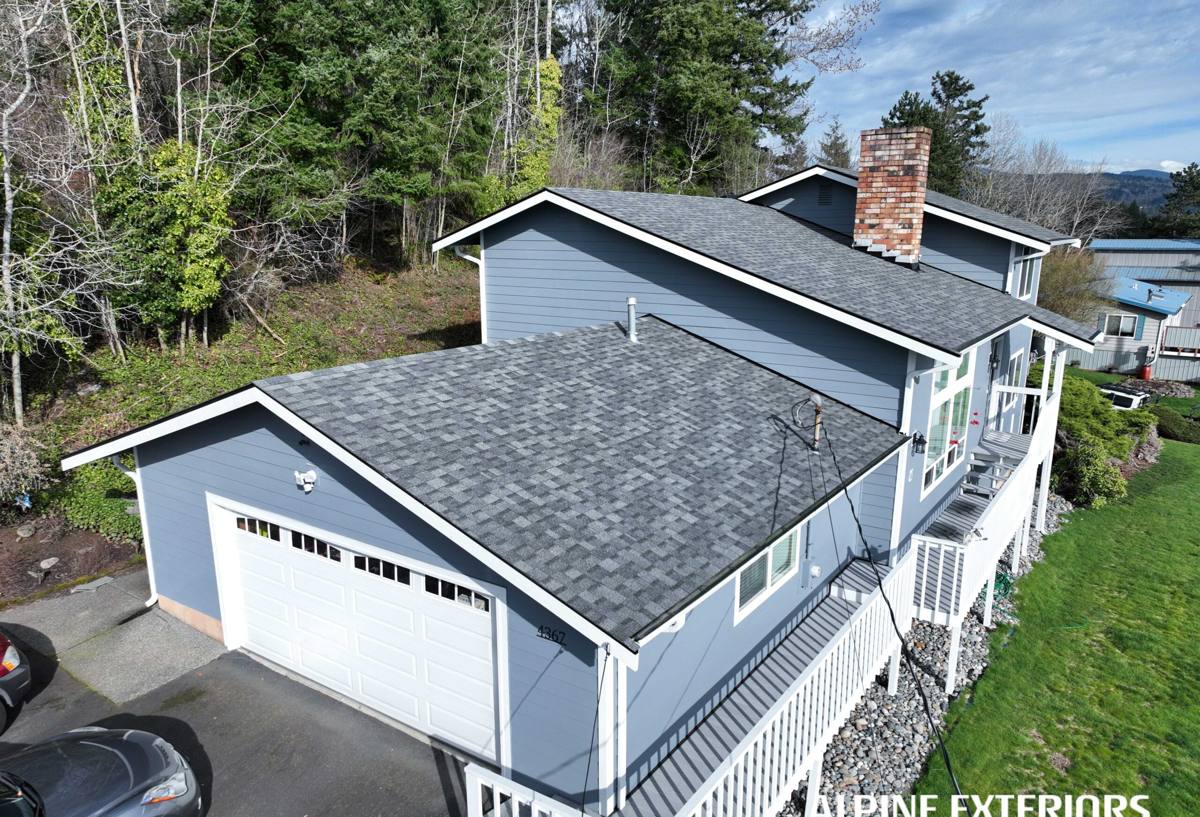
What We Actually See on Venice Roofs
UV Breakdown
Florida sun is relentless. Asphalt shingles lose their protective granules over time as UV exposure dries out the asphalt binders underneath, leaving the mat brittle and prone to cracking. On tile and metal roofs, UV is less of a structural threat but it does accelerate the breakdown of sealants, flashing coatings, and underlayment — the parts of the roof system you don't see but that do the real waterproofing work.
Wind-Driven Rain
A heavy downpour with strong wind behind it doesn't just fall on a roof — it gets pushed up and under shingle edges, around flashing, and into any gap in the roof deck. This is one of the most common ways Venice homes develop hidden leaks, because the water often doesn't show up as a stain inside right away. It tracks along the deck or rafters first.
Salt Air Corrosion
Being close to the Gulf means airborne salt settles on exposed metal — nail heads, flashing, gutter fasteners, metal roof panels — and speeds up corrosion. This is one of the biggest reasons material choice and fastener quality matter more here than they would 50 miles inland.
Humidity and Ventilation Issues
Sarasota County's humidity puts extra pressure on roof ventilation. A poorly ventilated attic traps heat and moisture, which can shorten shingle life from the underside and contribute to mold or wood rot in the roof deck over time.
Roofing Materials: What Holds Up Here and What to Weigh
There's no single "best" roofing material for every Venice home — it depends on your roof's slope, your budget, your home's architectural style, and how long you plan to stay in the house. Here's how the common options generally compare in this climate.
| Material | Typical Lifespan Here | Wind Performance | Maintenance Notes |
|---|---|---|---|
| Asphalt Shingle (architectural) | 15-22 years | Good, with proper nailing and rated products | Most affordable upfront; UV and heat shorten lifespan versus cooler climates |
| Metal (standing seam) | 30-45+ years | Excellent when properly fastened | Higher upfront cost; corrosion resistance depends on coating quality near salt air |
| Concrete or Clay Tile | 30-50 years (tile itself); underlayment usually needs replacement sooner | Very good when correctly installed and fastened | Heavy — requires adequate structural support; individual tiles can crack from impact |
| Flat/Low-Slope Membrane | 15-25 years | Depends on installation and edge detailing | Common on additions, lanais, and porch roofs; needs regular inspection at seams |
We'll walk you through the honest trade-offs for your specific roof rather than pushing a one-size-fits-all recommendation. A tile roof looks great and lasts a long time, but it's not the right call for every structure or budget. Metal has excellent wind performance but a higher upfront cost. Asphalt is the practical, budget-friendly choice for a lot of homeowners, as long as it's installed with wind-rated products and proper fastening for our storm exposure.
Repair or Replace? How We Help You Decide
Not every roofing issue means a full replacement, and we're not going to tell you it does. Some of the most common calls we get from Venice homeowners turn out to be isolated repairs — a section of flashing that's failed, a few damaged shingles after a storm, or a vent boot that's cracked and letting water in.
That said, there are situations where repair is a short-term patch on a bigger problem. If your roof is already near the end of its expected lifespan, has multiple leak points, or shows widespread granule loss and curling, repeated repairs can end up costing more over time than a planned replacement. We'll give you a straightforward read on which category your roof falls into, including what we find on the underlayment and decking, not just the surface.
Our Process, Start to Finish
Inspection
We start by physically getting on the roof (weather permitting) to check shingles or tiles, flashing, vents, valleys, and the general condition of the roof deck where accessible. We also look at attic ventilation and any visible signs of past leaks.
Honest Assessment
You get a clear explanation of what we found, what's urgent versus what can be monitored, and what your material and budget options look like. No pressure, no scare tactics.
Installation
When a repair or replacement moves forward, we follow manufacturer specifications for fastening patterns, underlayment, and flashing detail — the details that matter most when the next tropical storm or hurricane rolls through Sarasota County.
Cleanup and Final Walkthrough
We clear the site of debris and old material, and walk the finished work with you before we consider the job done.
Beyond the Roof: Siding, Windows, and Decks
Roofing rarely exists in isolation on a Gulf Coast home. The same UV, wind, and humidity that stress a roof also work on siding, window seals, and any exterior wood or composite decking. If your roof has taken storm damage, it's worth having us look at flashing where the roofline meets siding, and at any soffit or fascia that may have been compromised. We handle siding, roofing, windows, and decks, so if an inspection turns up related issues — deteriorating trim, failing window seals letting moisture behind siding, or a deck that's seen better days after years of sun and salt air — we can address it as one coordinated project instead of juggling separate contractors.
Why a Local Sarasota County Crew Matters
Roofing built for a mountain climate or even a drier part of the South doesn't automatically hold up here. A local crew knows which fastening patterns and underlayment choices actually perform under Gulf Coast wind and rain, understands the permitting and inspection process specific to Sarasota County, and can respond faster when a storm causes damage across the area. We're not learning this climate on your roof — it's the only climate we work in.
Maintenance Checklist for Venice Homeowners
A little routine attention goes a long way toward avoiding surprise leaks and extending the life of your roof. Consider a check after any major storm and at least once a year otherwise:
- Look for missing, curled, or cracked shingles, or displaced/cracked tiles
- Check gutters and downspouts for granule buildup or debris that could back up water
- Inspect flashing around chimneys, vents, and where the roof meets walls
- Watch for ceiling stains or musty odors inside, which can indicate a slow hidden leak
- Trim back overhanging branches that could drop debris or scrape roofing during high wind
- Confirm attic vents aren't blocked, which helps control heat and moisture buildup
- After any named storm, do a visual check from the ground before assuming everything is fine
Insurance, Permits, and Wind Mitigation
Roofing work in Sarasota County requires permits, and inspections are part of that process — that's not red tape to avoid, it's a check that protects you when you eventually sell the home or file an insurance claim. If your roof is replaced with wind-rated materials and proper installation, it may also qualify you for a wind mitigation credit on your homeowner's insurance. We can point you toward what documentation insurers typically want, though the specific credit and rate impact is something your insurance agent will need to confirm.
If you've had storm damage and are dealing with an insurance claim, having clear photo documentation and a written scope of work from your contractor makes the process smoother. We're glad to provide that kind of documentation as part of any repair or replacement.
Let's Talk About Your Roof
If you're in Venice or elsewhere in Sarasota County and dealing with a leak, storm damage, or just want an honest read on how much life is left in your current roof, we're happy to take a look. Reach out for a free, no-pressure estimate using the form below, and we'll give you a straight answer about what your roof actually needs.