 Sarasota Roofing
 Roofing in Nokomis: What the Climate Actually Demands
Nokomis sits along the Gulf side of Sarasota County, which means the roof over your head is doing a harder job than roofs in most parts of the country. It's not one big event that wears a roof down here — it's the accumulation of everything at once. Intense UV exposure nearly every day of the year bakes shingles and dries out sealants. Wind-driven rain during summer storms and the occasional tropical system pushes water sideways and upward under flashing and shingle edges, not just straight down. And because Nokomis is close enough to the Gulf and Intracoastal waterways, salt-laden air corrodes exposed metal fasteners, vents, and flashing faster than it would inland. None of this means every roof here is doomed — it means the materials, the installation details, and the maintenance schedule all need to account for local conditions rather than following a generic playbook.
Common Roof Problems We See in Nokomis Homes
UV and Heat Degradation
Asphalt shingles are engineered with UV-resistant granules and asphalt binders, but constant sun exposure still shortens their working life compared to shingles installed in cooler, cloudier climates. Over years, granule loss accelerates, the asphalt underneath becomes brittle, and shingles lose their ability to seal down tightly against wind. This shows up as curling edges, granules collecting in gutters, and eventually leaks at the weakest points — usually around penetrations like vent stacks and skylights.
Wind-Driven Rain
A lot of roof leaks in this part of Florida aren't caused by a roof "failing" outright — they're caused by rain being driven horizontally or even slightly upward by strong gusts, finding its way under flashing, ridge caps, or shingle tabs that have lost their seal. This is why flashing detail and proper shingle nailing patterns matter more here than in calmer climates. A roof that would perform fine in a low-wind region can underperform in Sarasota County if it wasn't installed with coastal wind exposure in mind.
Salt Air and Corrosion
Even homes that aren't directly on the water get some salt exposure carried in on the breeze. Over time this attacks unprotected steel fasteners, cheaper flashing metals, and HVAC or vent components on the roof. Corroded fasteners lose their grip, and corroded flashing can develop pinholes that let water through long before the rest of the roof looks like it needs attention.
Roofing Materials That Hold Up in This Climate
There isn't one "correct" roofing material for Nokomis — the right choice depends on your budget, your home's structure, and how long you want to go between major roof work. Here's an honest comparison of the main options we install and repair.
| Material | Typical Lifespan Here | Wind Performance | Maintenance Considerations |
|---|---|---|---|
| Architectural Asphalt Shingle | 15-25 years | Good, when rated and installed for high-wind zones | Periodic inspection of sealant and flashing; most affordable upfront |
| Standing Seam Metal | 30-50 years | Excellent when properly fastened | Watch for fastener corrosion over time near coastal air; minimal surface maintenance |
| Concrete or Clay Tile | 40-50+ years | Very good, but individual tiles can crack or dislodge in severe wind | Underlayment beneath tile typically needs replacement before the tile itself does |
A detail homeowners often miss: with tile roofs, the tile itself can outlast the waterproof underlayment beneath it by decades. If your roof is tile and more than 15-20 years old, the underlayment — not the visible tile — is usually the thing worth having inspected.
Repair or Replace? How We Help You Decide
Not every roof issue in Nokomis means a full replacement, and we don't push for one when a targeted repair will genuinely hold up. We look at the age of the roofing material, how much of the roof is affected, whether the decking underneath has taken on water damage, and how many repairs the roof has already had. A roof with isolated flashing failures or a small area of storm damage is usually a repair. A roof with widespread granule loss, multiple past patch jobs, or underlayment failure across large sections is usually past the point where repair makes financial sense — you'd be paying to patch a system that's failing as a whole.
If your roof was affected by a specific storm event, we'll document the damage clearly, which also helps if you're filing an insurance claim. We give you a straight answer about what's storm damage versus what's ordinary wear, because that distinction matters for coverage.
Beyond the Roof: Siding, Windows, and Decks in a Coastal Climate
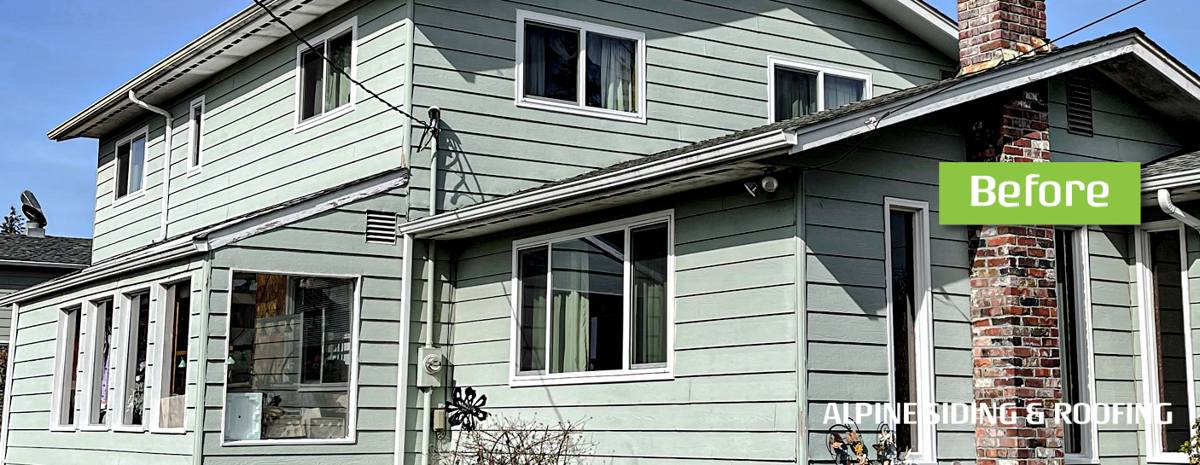
The same conditions that stress a roof in Nokomis — UV, wind-driven rain, salt air, and humidity — stress the rest of the exterior too, which is why we handle siding, windows, and decks alongside roofing rather than treating them as separate trades.
Siding
Siding here needs to manage moisture without trapping it. Poor flashing and inadequate ventilation behind siding can lead to hidden moisture damage that isn't visible until it's advanced. We pay close attention to water management details — house wrap, flashing at windows and doors, and proper clearances — because those details matter more in a humid, storm-exposed climate than the siding material itself.
Windows
Impact-rated or properly rated windows for this wind zone protect against both storm debris and the constant pressure cycling that comes with strong coastal winds. Poorly sealed or aging windows are also a common source of water intrusion during wind-driven rain, independent of roof condition — so a leak after a storm isn't automatically a roofing problem.
Decks
Outdoor living spaces in Nokomis take a beating from sun and humidity. Fasteners, ledger board connections, and any wood-to-ground contact points are where we see the earliest signs of trouble, well before the visible decking boards show wear. Proper material selection and hardware make a real difference in how long a deck holds up here.
Why a Local Sarasota County Crew Matters
Building codes and wind-load requirements in Sarasota County reflect the region's hurricane exposure, and they get updated. A crew that works in this specific area regularly stays current on those requirements without treating them as an afterthought. Just as important is familiarity with how buildings in Nokomis and the surrounding Sarasota area are actually built — the age of the housing stock, common construction types, and the kinds of issues that tend to show up on homes exposed to Gulf-influenced weather. That local pattern recognition is something you don't get from a crew that's unfamiliar with the area, and it often means catching a developing problem before it becomes an expensive one.
Response time matters too. After a significant storm, being able to get a local crew out to assess and tarp damage quickly can be the difference between a contained repair and a much larger interior problem from prolonged water exposure.
Our Process, From Inspection to Completion
- Initial inspection of the roof, and where relevant, siding, windows, and decking, with clear documentation of what we find
- A straightforward explanation of what's wear-and-tear, what's storm-related, and what actually needs attention now versus later
- A written estimate that spells out materials, scope, and timeline before any work begins
- Work performed to current Sarasota County code and wind-zone requirements
- A final walkthrough so you know exactly what was done and what to keep an eye on going forward
Maintenance Checklist for Nokomis Homeowners
A little regular attention goes a long way toward avoiding surprise repairs in this climate. Between professional inspections, here's what's worth checking on your own:
- Look at gutters after rain for accumulated granules, which can signal shingle wear
- Check for visible curling, cracking, or missing shingles/tiles after any strong wind event
- Inspect caulking and sealant around vent pipes, skylights, and chimney flashing annually
- Trim back tree limbs that overhang the roof to reduce debris buildup and abrasion
- Watch for water stains on interior ceilings, which often show up well before a leak is visible from outside
- Have flashing and fasteners checked periodically for early signs of corrosion, especially if you're closer to the water
- Schedule a professional roof inspection after any named storm that brought sustained high winds
Get a Free, No-Pressure Estimate
If you're dealing with a roof that's showing its age, storm damage you want documented, or you're just planning ahead for a home in Nokomis, we're happy to take a look. Use the form below to request a free estimate — no pressure, no obligation, just a straight assessment of where things stand and what your options are.