 Sarasota Roofing
 Roofing in Rosemary District: What Local Homeowners Are Up Against
Rosemary District sits close to downtown Sarasota, which means its homes and low-rise buildings deal with the same coastal Gulf Coast exposure as the rest of Sarasota County, just with an added layer of urban heat and reflected sun off nearby streets and pavement. If you own a home or manage a small property here, your roof is doing more work than a roof in a landlocked climate ever would. Between hurricane season, near-constant UV, and salt-laden air drifting in off Sarasota Bay and the Gulf, the materials on your roof are aging faster than the manufacturer's spec sheet probably assumes.
We're a Sarasota-based exterior contractor — roofing, siding, windows, and decks — and Rosemary District is inside our regular service area. That matters more than it sounds like it should. A crew that works this neighborhood routinely knows which older homes still have original 1990s-era roofs, which newer infill construction uses lighter modern materials that need different fastening details, and how the district's mix of historic bungalows and newer builds each hold up differently to the same weather.
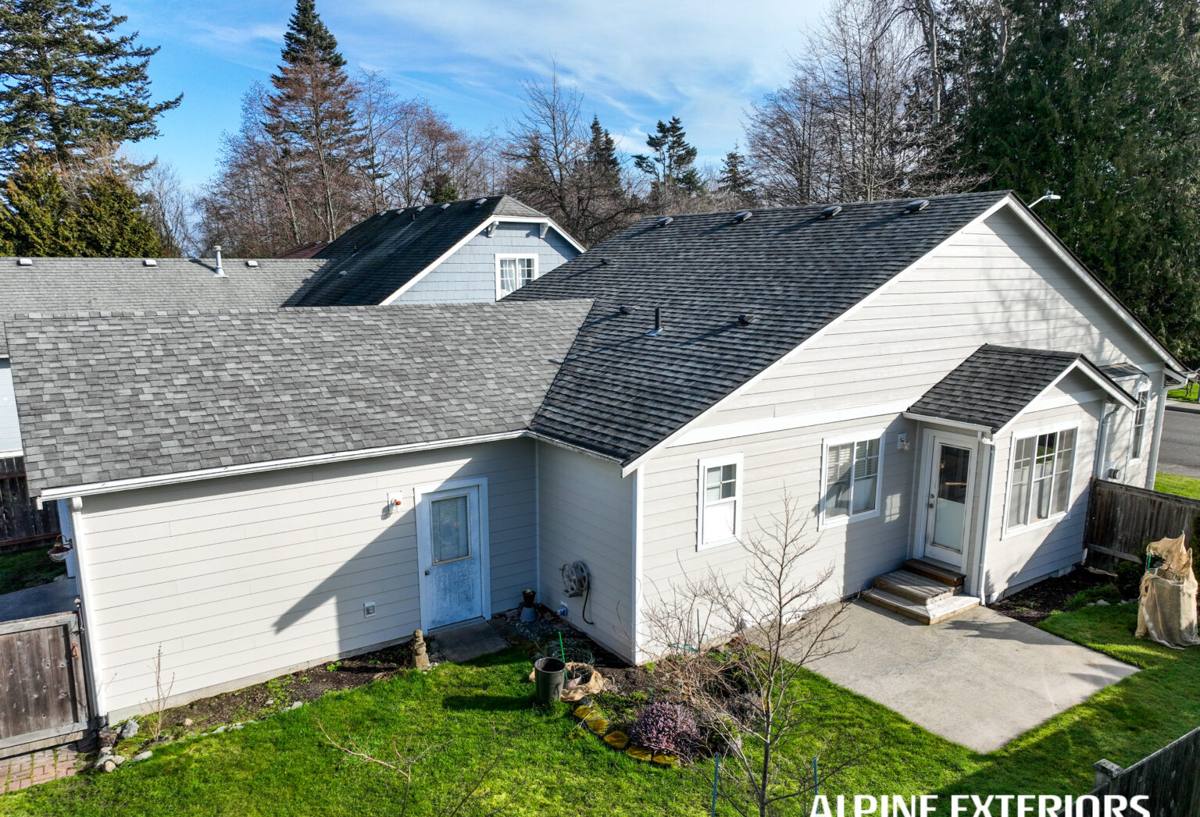
How the Climate Actually Damages a Roof Here
Hurricane-Force Wind
Wind is the number one reason roofs fail in this part of Florida — not age, not leaks, wind. Shingles, tiles, and metal panels are all rated for wind uplift, but that rating only holds if the installation was done correctly: proper nailing patterns, correct fastener count, sealed starter courses, and underlayment that's actually attached the way code requires. A roof that looks fine in calm weather can have marginal fastening that only shows itself when gusts get underneath the edge of a shingle or tile and start peeling.
Year-Round UV
Sarasota doesn't get a real winter break from sun exposure. Asphalt shingles lose their granules and oils faster here than in northern states, which shortens their effective lifespan even if the manufacturer's warranty says 25 or 30 years. UV also dries out sealants and flashing components, which is often where a "mystery leak" actually starts.
Wind-Driven Rain
Straight-down rain is rarely the problem. Rain pushed sideways by wind finds every gap in flashing, every under-driven fastener, and every spot where underlayment laps the wrong direction. This is why proper flashing detail around chimneys, skylights, and roof-to-wall transitions matters more here than in drier, calmer climates.
Salt Air
Even a few miles inland from the water, salt air accelerates corrosion on exposed metal — fasteners, flashing, gutter hardware, and any exposed metal roofing components. Standard galvanized fasteners can start showing rust streaks years before they would in a non-coastal environment, which is why material choice for hardware matters as much as the roofing material itself.
Roof Types We See — and What We Recommend
| Roof Type | Typical Lifespan Here | Coastal Considerations |
|---|---|---|
| Architectural Asphalt Shingle | 15-20 years (vs. 25-30 rated) | Needs high wind-rated products and proper fastening; UV shortens granule life |
| Concrete/Clay Tile | 25-40+ years | Excellent wind and heat performance if installed and fastened correctly; underlayment quality matters most |
| Standing Seam Metal | 30-50 years | Strong wind performance; use marine-grade or coated fasteners to resist salt corrosion |
| Flat/Low-Slope (Modified Bitumen, TPO) | 15-25 years | Common on additions or older commercial-style buildings; seams and flashing are the weak points |
We don't push one material as universally "best" — the right choice depends on your home's structure, your budget, and how long you plan to own the property. What we will tell you honestly is which options are a poor fit for coastal wind and salt exposure, and why, so you're not choosing based on price alone and finding out the trade-offs later.
Siding, Windows, and Decks Face the Same Enemies
A roof replacement is often the visible trigger for a service call, but the same wind, UV, and salt exposure is working on the rest of the exterior at the same time. Siding takes wind-driven rain intrusion at seams and fastener points. Older single-pane or poorly sealed windows lose efficiency and can become a wind vulnerability during storms if the frame or sealant has degraded. Decks — especially wood decks — take a beating from UV graying and moisture cycling, and any exposed fasteners are subject to the same salt corrosion as roofing hardware.
Because we handle all four trades, we can look at a Rosemary District home as one system instead of four separate problems. A roof inspection often turns up soffit or fascia issues that are actually a siding concern; a window replacement conversation frequently surfaces flashing questions that affect the roofline above it.
Why a Local Sarasota Crew Matters
Permitting, wind-load requirements, and inspection processes in Sarasota County are not identical to neighboring counties, and Florida's building code has coastal-specific provisions that out-of-area contractors sometimes miss or apply generically. A crew that regularly pulls permits and schedules inspections in this county knows the actual process, not just the general Florida building code outline. That translates into fewer surprises, fewer failed inspections, and a project timeline that's realistic rather than optimistic.
Local presence also matters after the sale. If a named storm comes through and you need someone to check for damage or handle emergency tarping, you want a contractor who is already based here and not traveling in from another region weeks later when demand spikes.
What a Roof Inspection Should Actually Cover
- Shingle, tile, or panel condition — cracking, granule loss, lifted edges, missing pieces
- Flashing condition at all penetrations: chimneys, vents, skylights, roof-to-wall transitions
- Fastener and hardware condition, especially on metal roofing or exposed connectors
- Underlayment condition where accessible, particularly around roof edges
- Attic ventilation and any signs of moisture, staining, or mold on the underside of the deck
- Gutter and drainage function — clogged or undersized gutters push water where it doesn't belong
- General wind-uplift risk at ridges, edges, and any areas with prior repair patches
This kind of inspection is worth doing on a normal schedule, not just after a storm. Catching a lifted shingle or a cracked flashing seal before hurricane season is far cheaper than dealing with interior water damage after.
Cost Factors Homeowners Should Understand
| Factor | Why It Affects Price |
|---|---|
| Roof pitch and complexity | Steep or multi-plane roofs take longer and require more safety setup |
| Material choice | Tile and metal cost more upfront than asphalt but generally last longer here |
| Wind rating requirements | Coastal wind zones may require higher-rated materials and fastening schedules, adding labor and material cost |
| Underlayment quality | Upgraded underlayment costs more but is one of the biggest factors in leak resistance |
| Existing damage or decking repair | Rotted or damaged roof decking found during tear-off adds cost but shouldn't be skipped |
| Permit and inspection requirements | County permitting fees and required inspections are part of a compliant project |
We give straightforward, honest estimates and explain what's driving the cost — we're not going to quote a number without walking you through what's behind it.
Maintenance That Actually Extends Roof Life Here
Coastal Florida roofs benefit from more frequent attention than a roof in a milder climate. Twice-yearly visual checks — once before hurricane season and once after — catch small issues before they become expensive ones. Keeping gutters clear, trimming overhanging branches that drop debris, and rinsing accumulated salt residue off metal components periodically all extend the practical lifespan of your roof beyond what neglect would allow. None of this requires a contractor visit every time, but a periodic professional inspection catches the things a homeowner walking the yard with binoculars is going to miss — hairline flashing cracks, early fastener corrosion, or granule loss that's uneven across the roof.
What to Ask Before Hiring Anyone for Roofing Work
- Are you licensed and insured to work in Sarasota County, and can you provide proof?
- Will you pull the required permit, or is that left to me?
- What wind rating is specified for the materials you're proposing, and does it meet local code for this address?
- What's the manufacturer's warranty versus your workmanship warranty, and what's the difference?
- Who is actually doing the physical work — your crew, or subcontractors you don't directly manage?
A contractor who answers these clearly and without hesitation is generally one worth trusting. Vague answers, pressure to sign same-day, or reluctance to talk about permitting are worth treating as warning signs.
Get a Free, No-Pressure Estimate
If you're in Rosemary District and dealing with an aging roof, storm damage, or you just want an honest read on where things stand before hurricane season, we're glad to take a look. The estimate is free, there's no pressure to commit on the spot, and we'll tell you plainly what needs attention now versus what can reasonably wait. Fill out the form below to get started.