 Sarasota Roofing
 Exterior Work Built for Ellenton's Climate
Ellenton sits in Manatee County along the I-75 corridor, close enough to the Manatee River and the Gulf that salt-laden air is a daily fact of life, not an occasional nuisance. Add in the intense, near year-round Florida UV load and the wind-driven rain that comes through with every serious summer storm, and you've got a set of conditions that age exterior materials faster than almost anywhere else in the country. A roof, siding job, or window install that would last two or three decades in a drier, milder climate can show real wear here in half that time if it wasn't specified and installed with these conditions in mind.
We work throughout the Sarasota and Manatee County area, and Ellenton homes tend to fall into a few common categories: established single-family houses from past decades now due for a second or third roof cycle, newer construction built to more current wind codes, and a steady stream of manufactured and site-built homes mixed through the surrounding unincorporated areas. Each of those comes with different starting points and different priorities, which is part of why we look at the actual house in front of us rather than quoting off a generic template.
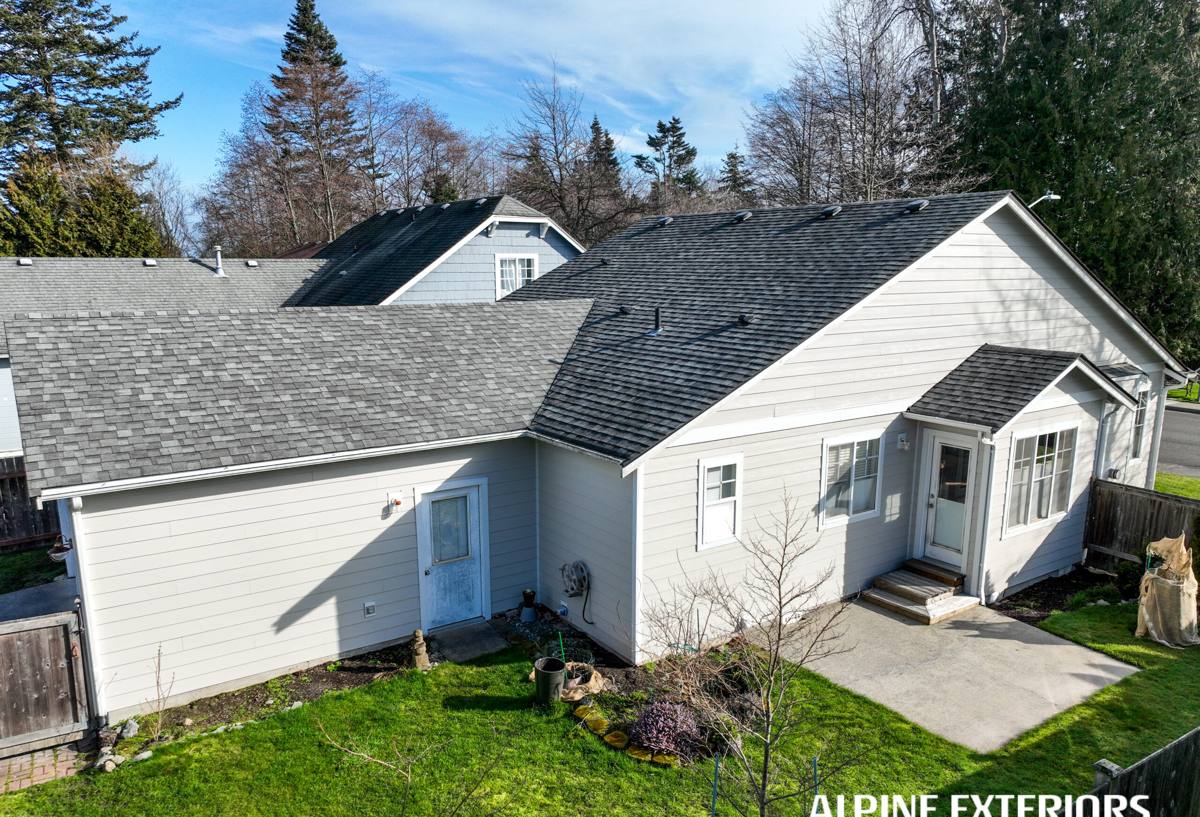
What Actually Wears Out Homes Here
Hurricane-Force Wind
Manatee and Sarasota Counties fall within Florida's High-Velocity Hurricane design considerations for coastal-influenced wind exposure, and even homes several miles inland still see gusts strong enough to lift poorly fastened shingles, peel weak siding seams, and stress window and door openings during named storms. Wind doesn't just damage roofs directly — it drives rain sideways into any gap or aging seal, which is how a wind event turns into a water intrusion problem days or weeks later.
UV Breakdown
Florida sun is harder on exterior materials than most manufacturers' national warranties assume. Asphalt shingle granules erode faster, vinyl siding can fade and become brittle sooner, and sealants around windows and flashings dry out and crack years ahead of their rated life. This is one reason we don't treat manufacturer warranty numbers as a guarantee of real-world performance in this climate — they're a starting point, not the whole story.
Salt Air and Humidity
Even away from the immediate coastline, salt-bearing air corrodes exposed metal fasteners, flashing, and hardware over time, and Florida's humidity keeps moisture in contact with building materials longer after every rain. Corroded fasteners and softened flashing are a quiet, slow-building cause of leaks that often show up as interior stains long after the actual failure began.
Roofing in Ellenton
For most homes in this area we install architectural (dimensional) asphalt shingles rated for high wind, metal roofing (standing seam or exposed-fastener panel), and tile where the structure and budget support it. The right choice depends on your roof's slope, your home's structural design, your budget, and how long you plan to stay in the house.
| Roofing Material | Typical Lifespan Here | Wind Performance | Maintenance Notes |
|---|---|---|---|
| Architectural asphalt shingle | 15-25 years | Good with proper high-wind fastening and underlayment | Periodic inspection for granule loss and lifted edges |
| Standing seam metal | 30-50 years | Excellent, especially with concealed fasteners | Low; watch fastener points on exposed-fastener panel styles |
| Concrete or clay tile | 30-50+ years | Very good when properly fastened and underlayment is sound | Underlayment typically fails before the tile does — budget for that |
Whatever material you choose, the underlayment, flashing details, and fastening pattern matter as much as the surface material itself — a premium shingle installed with weak flashing will underperform a mid-range shingle installed correctly. We install to current Florida Building Code wind requirements for this area, not a lighter national default.
Siding That Holds Up to Salt Air and Sun
Siding on an Ellenton home is doing three jobs at once: keeping wind-driven rain out, standing up to UV without fading or warping, and resisting the slow corrosion that salt air causes on fasteners and trim. We install fiber cement siding as our standard recommendation for most homes in this climate because it holds paint and color better under UV exposure, resists moisture-related warping, and doesn't become brittle the way some lighter materials can after years of Florida sun. Vinyl siding remains an option for homeowners prioritizing lower upfront cost, and we'll walk through the honest trade-offs — vinyl can soften and sag in sustained high heat and is more prone to wind damage at the edges compared to fiber cement, which is a maintenance and longevity trade-off worth understanding before you decide, not a defect claim against any manufacturer.
Common Siding Failure Points We See
- Caulking and trim seams that dried out and cracked under UV exposure, letting moisture behind the siding
- Fastener corrosion at panel edges from long-term salt air exposure
- Panels installed too tight against expansion, leading to buckling in summer heat
- Moisture trapped behind siding due to missing or damaged house wrap
Windows: Impact Rating and Efficiency
Given Ellenton's wind exposure, impact-rated windows are worth serious consideration even outside the strict coastal wind-borne debris zones, because they add a layer of protection against both storm debris and the pressure changes that come with strong wind events. Beyond storm performance, modern low-E glazing cuts down on the heat load from Florida's sun, which shows up as a real difference in cooling costs given how many months a year AC systems run here.
What to Weigh When Replacing Windows
- Impact-rated laminated glass versus standard glass with separate shutters
- Frame material — aluminum, vinyl, or composite — and how each handles heat and salt exposure
- Low-E coatings and their effect on summer cooling costs
- Proper flashing and sealant installation, which matters as much as the window unit itself for keeping wind-driven rain out
Decks in a Humid, Sun-Heavy Climate
Outdoor living is part of why people choose to live in this part of Florida, and decks here face their own version of the same problems: UV breaking down finishes and composite surfaces, humidity promoting wood rot and fastener corrosion, and afternoon storms testing drainage and structural connections. We build and repair both wood and composite decking, matching the material to how the space actually gets used and how much upkeep you want to take on. Composite decking generally handles UV and moisture with less ongoing maintenance, while quality wood decking, properly sealed and maintained on a real schedule, still has a place for homeowners who prefer that look and are willing to keep up with it.
Why a Local Crew Matters Here
A crew that works Sarasota and Manatee County regularly knows which fastening patterns and flashing details actually hold up to local wind and salt exposure, understands the permitting and inspection process with the county, and is around after the job is done if a question comes up. Exterior work from an out-of-area or storm-chasing crew can look fine on installation day and still fail the specifics of a coastal Florida climate — undersized fasteners, missed flashing details, or sealants not rated for this level of UV exposure tend to show up as problems only after the first real storm season.
Cost Factors to Understand Before You Get Quotes
Exterior project costs vary based on more than just square footage. The factors below are the ones that most often move a quote up or down, and understanding them helps you compare estimates on an apples-to-apples basis rather than by price alone.
| Factor | Why It Matters |
|---|---|
| Roof pitch and complexity | Steeper or more cut-up rooflines take longer and require more material to install correctly |
| Existing layer removal | Tear-off versus overlay changes labor and disposal costs, and affects how well the new roof performs |
| Decking or sheathing condition | Rotted or storm-damaged sheathing found during tear-off adds material and labor not visible in the original quote |
| Wind rating and code requirements | Meeting current Florida Building Code wind provisions for this area affects fastening, underlayment, and material specs |
| Material tier | Entry-level, mid-range, and premium products within any category carry real differences in lifespan and warranty structure |
A Practical Maintenance Checklist for This Climate
- Inspect roofing after any named storm for lifted shingles, dented metal, or displaced tile
- Check caulking and sealant around windows and trim annually — UV exposure here shortens sealant life
- Look for rust staining around fasteners on siding, trim, and roof penetrations
- Clear gutters and downspouts before rainy season so wind-driven rain has somewhere to go
- Check deck fasteners and structural connections yearly, especially on wood decking
- Have your roof's underlayment condition checked before it becomes a hidden problem behind otherwise good-looking shingles or tile
What to Ask Before Hiring a Contractor
Whoever you choose to work on your home, ask direct questions: are they licensed and insured in Florida, will they pull the required permit for the scope of work, what specific wind-rating and fastening details will they use for this climate, and will they put material and workmanship terms in writing. A contractor who's upfront about these details before you sign anything is generally a good sign of how they'll handle the job itself.
If you're weighing a roof, siding, window, or deck project in Ellenton, we're happy to take a look and give you a straightforward, no-pressure estimate — just fill out the form below and we'll go from there.