 Sarasota Roofing
 Why Siesta Key Siding Wears Out Faster Than Inland Homes
Siesta Key sits right on the Gulf, and that location is exactly what makes siding repair here a different job than siding repair five or ten miles inland in Sarasota. Salt-laden air moves across the island constantly, settling into seams, fasteners, and any gap in a home's exterior. Add Florida's intense, nearly year-round UV exposure, wind-driven rain during summer storms, and the occasional direct hit from hurricane-force wind, and you get a punishing combination that ages siding faster than almost anywhere else in Sarasota County. A repair that would hold for years on a home further from the water can fail in a fraction of the time out here if it isn't done correctly.
That's not a reason to panic about your siding — it's a reason to be precise about how repairs are handled. Barrier island homes need repair work that accounts for salt corrosion on fasteners and trim, moisture that can travel further than it looks from the outside, and wind exposure that puts real load on every seam and joint. Get those details right and a repair holds. Skip them and you're patching the same spot again in a year or two.
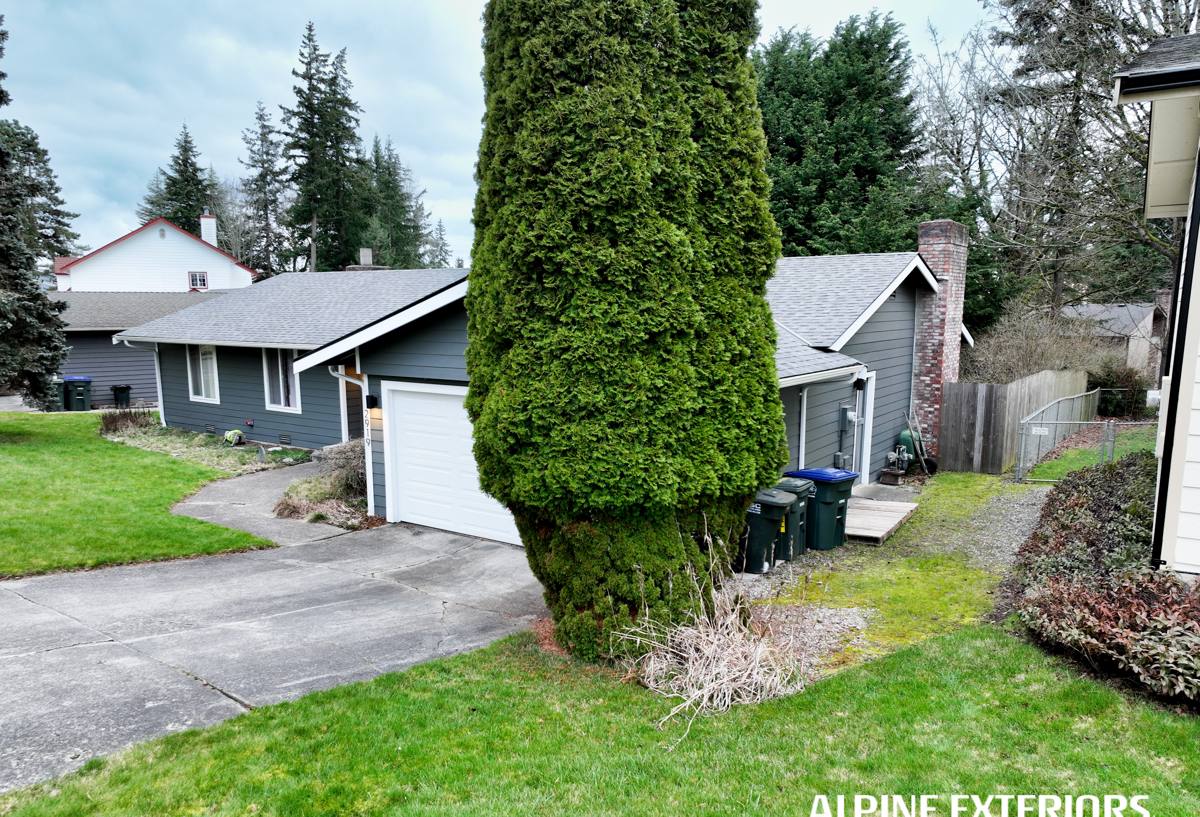
Signs Your Siesta Key Home Needs Siding Repair
Coastal siding damage doesn't always look dramatic. Some of the most costly problems start as small, easy-to-miss signs. Homeowners on the island should watch for:
- Soft or spongy spots when you press on siding near the bottom of walls, around windows, or under roof lines
- Visible cracking, buckling, or separation at seams and corners
- Paint that's bubbling, peeling, or failing in patches rather than evenly across a wall
- Rust streaks or discoloration around fasteners and trim edges
- Gaps or lifted edges where siding meets window and door trim
- A musty smell or visible staining on interior walls that back up to exterior siding
- Warping or rippling in panels after a hard rain or windstorm
Any one of these on its own might be minor. Several together, especially near the same section of wall, usually means moisture has been getting behind the siding for a while.
What a Correct Siding Repair Actually Involves
Find the moisture, not just the crack
The visible damage — a crack, a soft board, a stain — is rarely the whole story. On a barrier island home, water that gets behind siding can travel along framing and insulation before it ever shows up as a spot you can see. A repair that only patches the visible area without checking the surrounding wall assembly is a repair that's likely to resurface as a bigger problem later. Correct repair work starts with figuring out how water is getting in and how far it's traveled, not just covering up what's visible.
Match the product, not just the color
Siding repair almost always means blending new material into existing siding. That means matching thickness, profile, and exposure — not just paint color — so the repaired section doesn't stand out or create a new point where water can collect. When the original siding is a discontinued product or a different material than what's currently available, that matching work takes real judgment, not guesswork.
Flash and seal correctly the first time
Most siding failures near windows, doors, and roof-to-wall intersections come down to flashing that was missing, damaged, or installed incorrectly the first time. A repair that reinstalls siding without correcting the flashing underneath is just setting up the same failure again. This is the step that's easiest to rush and the one that matters most for long-term results, especially in a location where wind-driven rain regularly tests every seam.
Common Siding Damage We See on Siesta Key Homes
| Cause | What It Looks Like | Why It Happens Here |
|---|---|---|
| Salt air corrosion | Rust streaks at fasteners, corroded trim edges | Constant airborne salt exposure breaks down unprotected metal faster than inland areas |
| Wind-driven rain intrusion | Staining, soft spots near windows and rooflines | Storms push rain sideways and upward, finding any gap in flashing or seams |
| UV breakdown | Chalking, fading, brittle or cracking material | Near-constant sun exposure accelerates aging of paint and some siding materials |
| Storm impact | Cracked, dented, or missing panels | High wind events and debris are a regular part of the coastal Sarasota climate |
| Trapped moisture | Warping, buckling, musty odor | Humidity and poor original installation combine to hold water against the wall assembly |
Repair or Replace? An Honest Breakdown
Not every damaged section needs a full re-side, but not every problem should be patched either. The right call depends on how widespread the damage is and what's causing it.
| Factor | Repair Usually Makes Sense | Replacement Is Usually Smarter |
|---|---|---|
| Extent of damage | Isolated to one or two sections | Spread across multiple walls or elevations |
| Cause | Impact damage or a single flashing failure | Systemic moisture issues or aging material near the end of its service life |
| Age of existing siding | Relatively young, otherwise sound siding | Original siding is decades old or already failing broadly |
| Material match | Matching product is available or can be closely blended | Original product is discontinued or incompatible with current code requirements |
| Underlying assembly | House wrap and framing are intact | Sheathing or framing show rot requiring broader access |
An honest assessment tells you which category your home falls into before any work starts — not after the invoice is written.
Our Siding Repair Process for Siesta Key Homes
- Inspection. We look beyond the visible damage to check surrounding siding, trim, flashing, and, where accessible, the wall assembly behind it.
- Diagnosis. We identify the actual cause — moisture intrusion, storm impact, corrosion, or aging material — so the repair addresses the source, not just the symptom.
- Honest scope. We tell you plainly whether the situation calls for a targeted repair or whether the damage is broad enough that replacement is the more sound long-term investment.
- Correct execution. Flashing is corrected where needed, materials are matched for profile and exposure, and fasteners are appropriate for a coastal, salt-air environment.
- Final check. We confirm seams, seals, and trim are tight before calling the job done — not just that the patch looks right from the street.
Why James Hardie Holds Up Better on Barrier Island Homes
We install James Hardie fiber cement siding exclusively, and repair work is one of the clearest places that decision pays off. Hardie's HZ5 product line is engineered specifically for climates like Sarasota's — humidity, salt exposure, and heavy UV are part of what it's designed to withstand, not an afterthought. Because it's fiber cement, it doesn't absorb and swell with moisture the way some wood-based or engineered wood products can, and it isn't vulnerable to the same rot risk. The factory-applied ColorPlus finish also holds color and resists the chalking and fading that constant Gulf-front sun exposure causes on field-painted surfaces, which matters both for appearance and for how well a repaired section blends into surrounding siding years down the road.
Hardie's warranty structure and product consistency also make repairs more predictable. Because the HZ5 line and ColorPlus finishes are standardized, matching new material to existing siding on a repair is more straightforward than trying to blend against a product that's changed formulations or been discontinued. That consistency is part of why we standardized on Hardie rather than installing vinyl, LP SmartSide, or other fiber cement alternatives — on a barrier island, the material's real-world behavior over time matters more than any single feature on a spec sheet.
Why Hiring a Crew That Already Works Siesta Key Matters
Siding repair on a barrier island isn't the same job as siding repair on the mainland side of Sarasota County, even when the damage looks similar. A crew that regularly works Siesta Key already understands how much faster salt air corrodes fasteners and trim, how wind-driven rain behaves around this island's typical home orientations, and what level of flashing and sealing detail actually holds up here versus what merely looks finished on installation day. That experience shows up in decisions that aren't obvious from the outside — which fastener grade to use, how much material to pull back before you can trust what's underneath, and where a "small" repair is actually a sign of a bigger issue building behind the wall.
It also matters for something more practical: access and logistics. Barrier island properties can mean tighter site conditions, more careful material staging, and scheduling around the kind of weather windows that are common near the Gulf. A crew that already knows the area plans around those realities instead of learning them on your job.
If you're seeing any of the warning signs above, or you just want an honest opinion on whether your siding needs a repair or something more, we're happy to take a look. Estimates are free, there's no pressure, and we'll tell you plainly what we see and what we'd recommend.