 Sarasota Roofing
 Why This Decision Matters More in Sarasota
Every roof reaches a point where a homeowner has to decide whether to keep patching it or start over. That decision is harder here than in most parts of the country. A roof in Sarasota County isn't just shedding rain — it's absorbing months of intense UV exposure, taking on wind-driven rain during summer storms, and slowly corroding from salt air carried in off the Gulf. Hurricane-force wind events add another layer: a roof that looks fine today can have wind-loosened shingles, lifted flashing, or fastener damage that only shows up as a leak weeks later. Because of all this, "repair or replace" isn't a question you can answer by age alone. It takes a look at the whole picture — material, age, storm history, and how the roof has been maintained.
Signs That Usually Point to Repair
Not every roof problem means you need a new roof. Plenty of issues are legitimately fixable, especially when the roof is younger and the damage is isolated.
Localized Damage
A handful of cracked or missing shingles, a small area of lifted tile, or a single failed pipe boot are typically repair jobs. If the rest of the roofing material is sound and the damage didn't come from a widespread issue like age-related deterioration, a targeted repair makes sense.
Isolated Leaks
One active leak traced to a specific point — a cracked vent boot, a nail pop, damaged flashing around a chimney or skylight — is almost always a repair, not a replacement trigger. The key word is "isolated." A leak with a clear, single source is a very different situation than water intrusion showing up in multiple rooms.
Recent Roofs With Storm Damage
If a roof is under 10-12 years old and has a discrete area of wind or debris damage from a storm, repair is usually the right call, sometimes covered in part by an insurance claim. The underlying roofing system still has years of service life left; it just needs the damaged section addressed.
Signs That Usually Point to Replacement
On the other end, some conditions make repair a short-term patch that delays an inevitable, larger cost.
Widespread Wear
When granule loss, curling, or cracking shingles show up across the whole roof rather than in one spot, that's the material reaching the end of its usable life. Patching one section doesn't fix a roof that's failing uniformly.
Multiple or Recurring Leaks
Leaks in more than one area, or a leak that keeps coming back after repair, usually mean the underlayment or decking has been compromised more broadly than what's visible from the surface. At that point, repeated repairs cost more over time than doing the job once, correctly.
Soft Decking or Structural Signs
Soft spots when walking the roof, sagging rooflines, or water staining that's spread across the ceiling below all point to decking damage. Wet or rotted decking has to be replaced, and once you're pulling roofing material to get to it, a full replacement is often more practical than trying to isolate the damaged sections.
Roof Age Near or Past Its Expected Lifespan
An older roof that starts needing repairs is telling you something. It's not that the specific repair is expensive — it's that repairs are going to keep happening as the material continues to age. At some point, continuing to repair becomes throwing money at a roof that's not coming back.
How Age Factors Into the Decision
Roofing materials have a general expected service life, though how a roof is maintained and how much sun and storm exposure it takes changes that timeline in either direction.
| Roofing Material | Typical Lifespan | Sarasota Climate Notes |
|---|---|---|
| Asphalt shingles (3-tab) | 15-20 years | UV and heat shorten this; expect the lower end without shade or ventilation |
| Architectural/dimensional shingles | 20-25 years | Better wind resistance rating, still UV-sensitive over time |
| Concrete or clay tile | 30-50 years (underlayment much less) | Tiles often outlast the underlayment beneath them, which fails first |
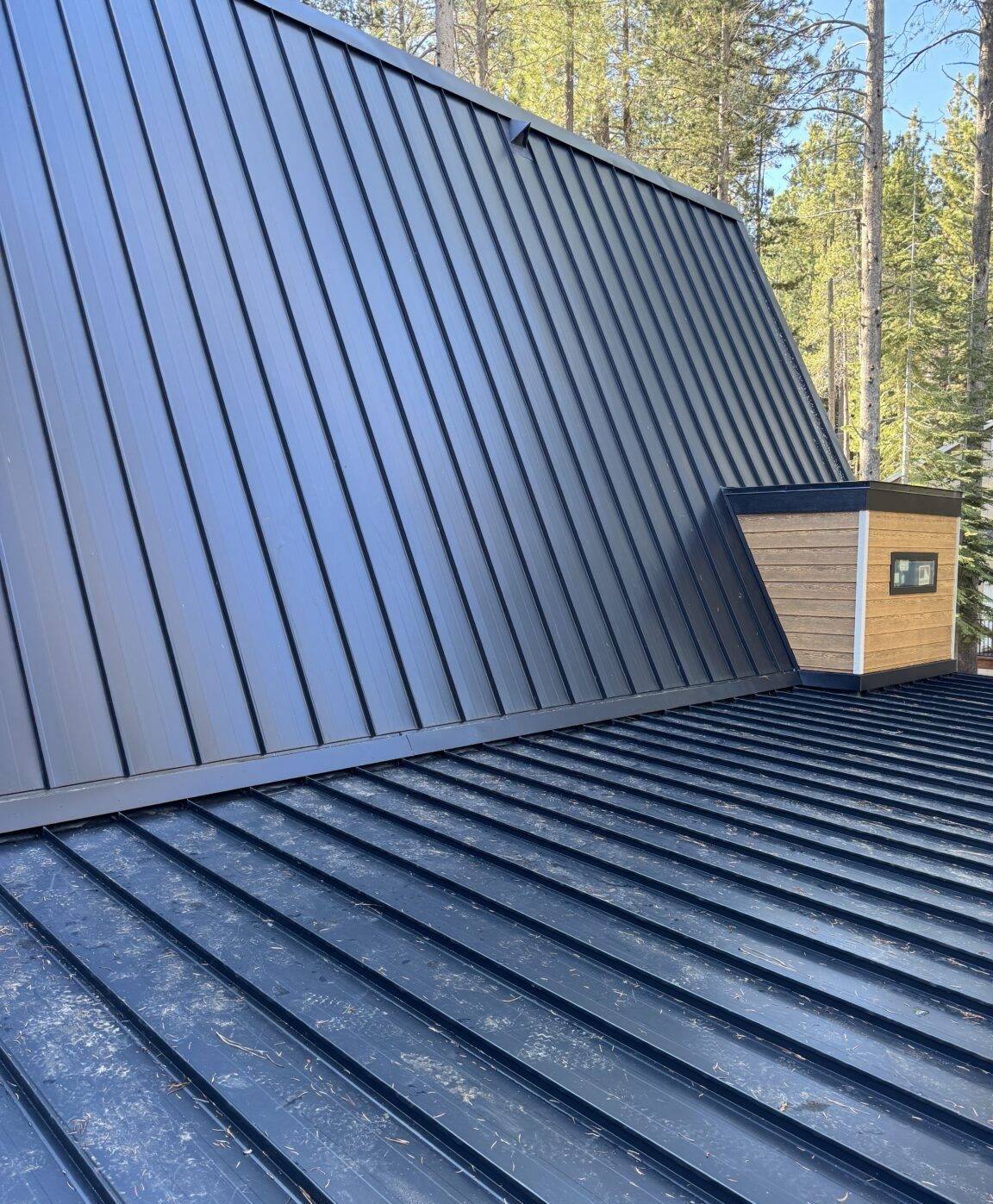
| Metal roofing | 40-50+ years | Handles wind and salt air well with proper coatings and fasteners |
That underlayment note on tile roofs is worth pausing on. It's one of the most common surprises homeowners run into: the tiles themselves look fine, but the underlayment protecting the decking has degraded from years of heat cycling, and it's the underlayment — not the visible tile — that decides whether the roof needs replacing.
Weighing the Cost Factors
Cost is rarely as simple as "repair is cheaper." The right comparison looks at cost per year of remaining service life, not just the upfront number.
| Factor | Favors Repair | Favors Replacement |
|---|---|---|
| Extent of damage | Isolated, single area | Spread across multiple sections |
| Roof age | Well under expected lifespan | At or past expected lifespan |
| Leak history | First occurrence, clear source | Recurring or multiple sources |
| Decking condition | Solid, dry | Soft, stained, or rotted |
| Insurance situation | Repair covers the claimed damage | Adjuster or contractor identifies broader compromise |
| Future plans | Selling soon, limited budget | Long-term ownership, want warranty reset |
A repair that costs a few hundred dollars but needs to happen two or three more times over the next couple of years can end up costing more than doing a full replacement once — and a replacement resets the clock on your warranty coverage, which a repair generally does not.
What Florida Building Code and Insurance Bring Into the Decision
Florida's building code has specific rules around roof repairs versus replacements, particularly for how much of a roof can be repaired before code requires bringing the whole system up to current wind-uplift and underlayment standards. If damage affects a large enough percentage of the roof, code may require full replacement rather than a partial repair, regardless of what you'd prefer to do. Insurance carriers in this part of Florida have also gotten more particular about roof age and condition, and some policies adjust coverage or premiums based on roof age. If your roof is approaching an age where insurers start asking questions, that's worth factoring into the decision alongside the physical condition of the roof itself. A contractor who's used to working in Sarasota County should be able to walk you through how these rules apply to your specific situation.
The Cost of Waiting Too Long
Delaying a decision — especially on a roof that's already showing multiple warning signs — rarely saves money. Water that gets past a compromised roofing system doesn't stop at the decking; it can reach insulation, drywall, and framing, turning a roofing job into a roofing-plus-interior-repair job. In a coastal, hurricane-exposed area, an aging roof that hasn't been addressed is also more vulnerable during the next major wind event, which raises the stakes of putting the decision off another season. That doesn't mean every borderline roof needs to be replaced immediately — but it does mean the "wait and see" approach should be a deliberate choice based on an actual inspection, not just avoidance.
Questions to Ask Before You Decide
Whether you're talking to your own contractor or getting a second opinion, these are the questions worth getting clear answers to before committing either way:
- Is the damage isolated to one area, or does it show up in multiple places on the roof?
- What condition is the decking in underneath the roofing material?
- How old is the current roof, and how does that compare to its expected lifespan for this material?
- Has this roof had repairs before, and if so, how many and how recently?
- Does the extent of the damage trigger any Florida building code requirements for full replacement?
- How will this decision affect my homeowner's insurance coverage or premium?
- If I repair now, what's the realistic timeline before I'm looking at replacement anyway?
A Practical Framework for Making the Call
When the answer isn't obvious, it helps to think in terms of remaining useful life rather than the roof's current appearance. A roof past two-thirds of its expected lifespan that's showing damage is generally a better candidate for replacement than repair, even if the immediate damage looks minor — you're likely to be back here again soon. A younger roof with isolated, storm-related damage is a strong repair candidate, especially if the rest of the material is holding up well. And any roof with soft decking, recurring leaks, or damage spread across multiple sections has usually crossed the line where repair stops being the economical choice. None of this replaces an actual inspection — every roof and every situation is a little different, and a straightforward visual check can usually tell you which category you're in.
If you're trying to figure out where your roof stands, we're happy to come take a look and give you an honest, no-pressure assessment — repair, replace, or "you've got a few good years left." Fill out the form below to schedule a free estimate.