 Sarasota Roofing
 Why New Roof Installation on Siesta Key Is Different
Siesta Key sits on a barrier island, which means every roof out here deals with a harder version of the same problems the rest of Sarasota County faces. The Gulf throws salt-laden air at every exposed surface year-round. Summer sun is intense and constant, breaking down roofing materials from the top down. Wind off open water hits harder and more often than it does even a few miles inland, and wind-driven rain during storms finds any gap in flashing, fasteners, or underlayment that a rushed installation left behind. A roof that would hold up fine on the mainland can wear out early here if it wasn't built with island conditions in mind from the start.
That's the real difference between a generic new roof installation and one done right for Siesta Key. It's not a different service — it's the same job done with more attention to materials, fastening, and detailing because the environment gives you less room for error.
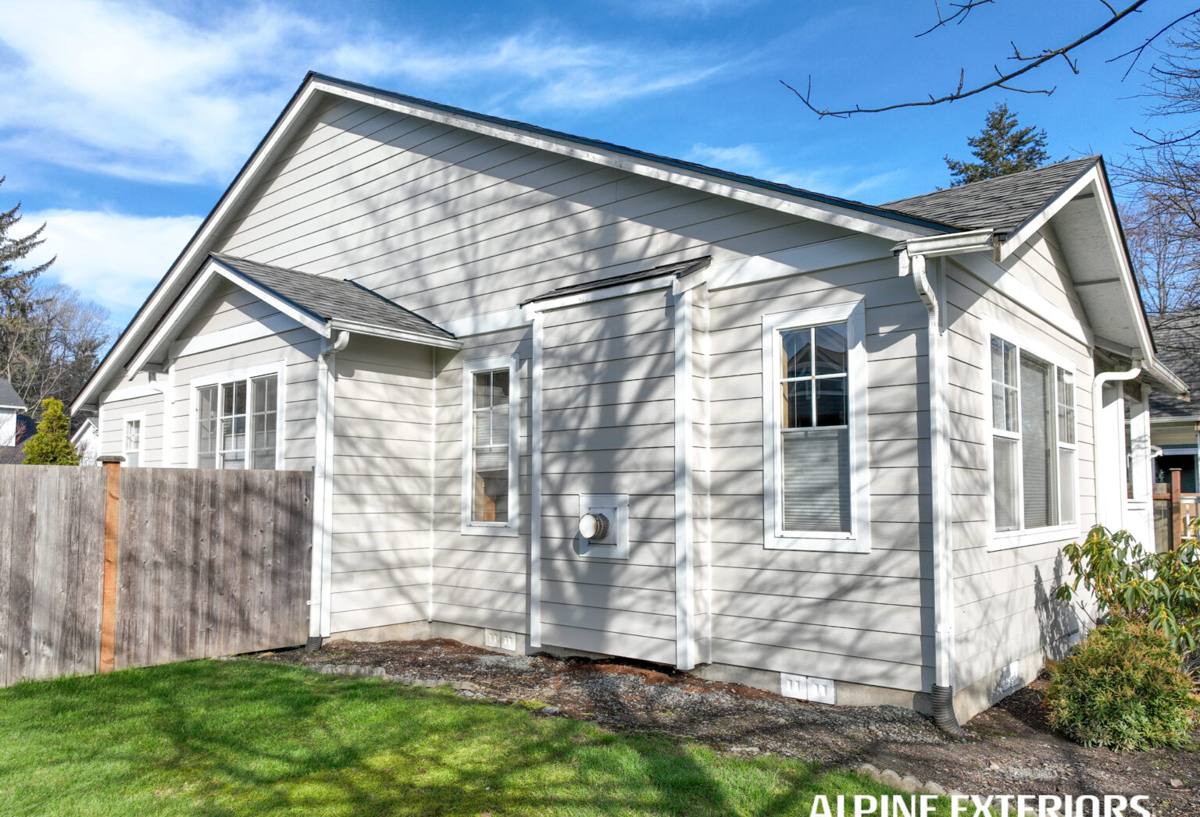
What a Correct New Roof Installation Actually Includes
A new roof is more than laying down new shingles or panels over the old ones. Every layer underneath matters as much as what you see from the street, especially on a home this close to the water.
Tear-Off and Deck Inspection
We remove the old roofing material down to the deck so we can actually see what's there. Roof decking that's been holding moisture, especially around old flashing or vent penetrations, needs to be identified and replaced before anything new goes on. Installing a new roof over a compromised deck just hides the problem and shortens the life of everything above it.
Underlayment and Water Barrier
The underlayment is your home's real defense against wind-driven rain, which is a bigger concern here than in most parts of the country. We use a synthetic or self-adhering underlayment system appropriate to the roof covering and the exposure of the home, with extra attention at eaves, valleys, and any low-slope sections where water lingers longest.
Flashing and Fasteners
Flashing around chimneys, vents, skylights, and roof-to-wall transitions is where most leaks actually start, not in the field of the roof itself. On a barrier island home, we also pay close attention to fastener type — salt air accelerates corrosion on standard fasteners faster than most homeowners expect, which affects both holding power and appearance over time.
Final Roof Covering
The last step is the material itself, installed to the manufacturer's specifications and the wind-rating requirements for this area — not just nailed down fast to get to the next job.
Choosing a Roofing Material for a Barrier Island Home
There's no single "best" roofing material for every Siesta Key home — it depends on your home's structure, your budget, and how much maintenance you want to take on. Here's an honest comparison of the main options we install.
| Material | Typical Wind Performance | Salt Air Considerations | Typical Lifespan |
|---|---|---|---|
| Architectural Asphalt Shingle | Good, when rated and installed for this wind zone | Performs well; use corrosion-resistant fasteners and flashing | 20-30 years |
| Standing Seam Metal | Excellent uplift resistance with proper fastening | Choose coated/marine-grade fastener and panel finishes to limit corrosion | 40-50+ years |
| Concrete or Clay Tile | Very good when fastened per current wind standards | Tile itself resists salt well; underlayment and fasteners still need attention | 40-50+ years |
| 3-Tab Asphalt Shingle | Lower wind rating than architectural shingles | Same salt exposure concerns, shorter service life overall | 15-20 years |
We'll walk you through which option fits your home and budget rather than pushing one product on every job — the right choice depends on your roof's slope, structure, and how long you plan to own the home.
Wind, Code, and Permit Requirements in Sarasota County
Florida Building Code sets minimum wind-uplift and material standards for roofing, and Sarasota County enforces those standards through its permitting and inspection process. A legitimate new roof installation on Siesta Key is permitted, inspected at the required stages, and installed to the wind speed rating that applies to this part of the coast — not just "up to code" in a general sense, but specifically accounting for the exposure category of a home this close to open water.
We pull permits, schedule required inspections, and handle the paperwork side of the job so it's documented correctly. That documentation matters later too — for insurance, for resale, and if you ever need to show proof of a compliant installation.
Barrier Island Logistics
Working on Siesta Key also comes with practical realities that don't apply to a mainland job: bridge access, tighter lots, condo or HOA requirements in some communities, and material delivery timing that has to account for island traffic patterns, especially in season. None of this is complicated if you plan for it, but it does slow a crew down the first time they work out here.
Our Installation Process, Start to Finish
- On-site inspection and honest assessment of your current roof, deck condition, and material options
- Written estimate outlining scope, material, and cost — no vague allowances
- Permit pulled with Sarasota County before work begins
- Tear-off, deck inspection, and any necessary deck repair
- Underlayment and flashing installed with attention to wind and water detailing
- New roof covering installed to manufacturer and wind-rating specifications
- Cleanup, including magnetic sweep for nails and debris removal
- Final inspection and walkthrough with you before we consider the job done
We don't skip steps to save a day on the schedule. On a barrier island home, the steps most tempting to rush — deck inspection, flashing detail, fastener choice — are exactly the ones that determine whether the roof holds up through the next few hurricane seasons.
Salt Air, Corrosion, and Why the Small Details Matter Here
Salt air doesn't just affect the roof surface — it works on every exposed metal component: nails, screws, flashing, vent caps, and drip edge. Standard fasteners can start showing corrosion streaks and lose holding strength years before they would on an inland home. We use fastener and flashing materials suited to coastal exposure, which costs a little more up front but avoids the premature failures and staining that show up on roofs where this got overlooked.
This is also why regular roof maintenance matters more here than it does a few miles inland. A roof that's inspected periodically for corrosion, sealant wear, and flashing condition will outlast one that's installed and never looked at again.
Ventilation and Moisture Control
Proper attic ventilation is part of a correct roof installation, not an optional add-on. Florida's heat and humidity mean a poorly ventilated attic traps moisture and heat that shortens the life of your roofing material from underneath, regardless of how good the shingles or panels are on top. We size and balance intake and exhaust ventilation as part of the installation so the roof system works the way it's supposed to, not just the visible layer.
After Installation: What to Keep an Eye On
A new roof still needs periodic attention, especially in a coastal environment. A simple maintenance routine goes a long way toward getting full value out of the investment.
- Visual check after major storms for lifted shingles, dented metal, or displaced tile
- Keep gutters and valleys clear of debris so water isn't sitting against roofing material
- Watch for rust streaking around fasteners, vents, or flashing and address it early
- Trim back overhanging vegetation that holds moisture against the roof
- Schedule a professional inspection every year or two, even if nothing looks wrong
- Keep documentation of the installation and any warranty paperwork in one place
Why Hiring a Crew That Already Works Siesta Key Matters
A contractor who mostly works inland jobs can still install a technically correct roof, but they're solving barrier island problems for the first time on your house. A crew that already works on Siesta Key knows the wind exposure, has already worked through the county's permitting process for this area, understands the fastener and flashing choices that hold up against salt air, and knows how to plan logistics around bridge access and delivery timing without it turning into delays on your project.
That familiarity shows up in the details — not in anything flashy, but in the small decisions made throughout the job that determine whether your roof is still performing well in ten or twenty years, not just on the day it's finished.
If you're planning a new roof for a home on Siesta Key, we're happy to take a look and give you a straight answer on condition, options, and cost. Reach out for a free, no-pressure estimate using the form below.