 Sarasota Roofing
 Living on a Barrier Island Changes the Math on Your Roof
Longboat Key sits out on a narrow barrier island between the Gulf of Mexico and Sarasota Bay, and that location changes how every exterior surface on a home ages. Homes just a few miles inland on the mainland can go years longer between repairs than a house that faces open water on both sides. Salt-laden air, near-constant onshore wind, and some of the most intense year-round UV exposure in the country are simply part of daily life here, and they wear on roofing, siding, windows, and decks in ways that standard building materials weren't originally designed to handle.
We work throughout Sarasota County, and Longboat Key is one of the areas where we see the clearest pattern: the roof, siding, and trim on a barrier-island home almost always show more wear than a similar home built the same year further inland. That's not a knock on any particular builder or product — it's just physics. Salt air is corrosive to metal fasteners and flashing, constant humidity keeps roofing materials perpetually damp on the underside, and UV breaks down protective coatings and sealants faster than in shadier, less coastal climates.
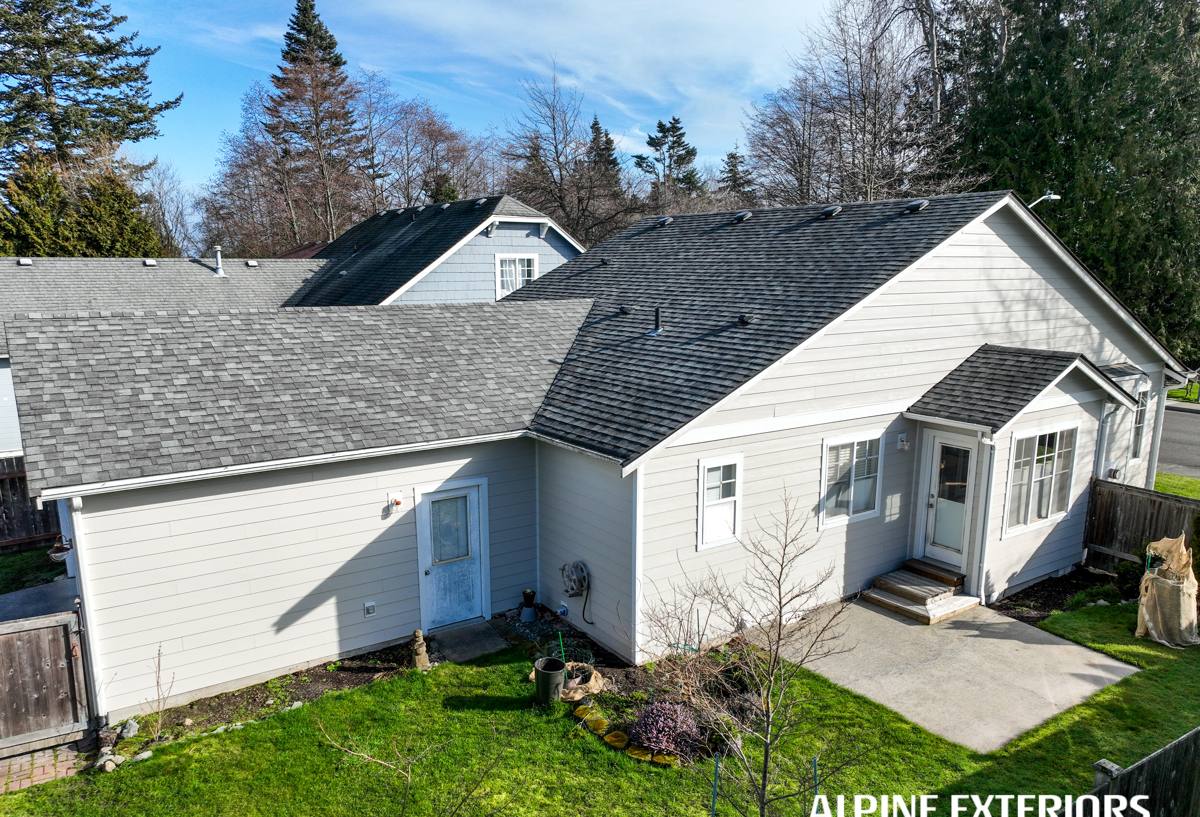
What Longboat Key's Climate Actually Does to a Roof
Wind and Wind-Driven Rain
Longboat Key homes are built to Florida's High-Velocity Hurricane Zone-adjacent wind standards, but even outside of named storms, the island sees frequent gusty conditions off the Gulf. Wind doesn't just risk lifting shingles or tiles — it drives rain sideways and up under roof edges, ridge caps, and around vents and skylights. Roofing systems that rely on gravity alone to shed water can fail in these conditions; what actually keeps water out is proper underlayment, correctly lapped flashing, and fasteners rated for the wind exposure category the home sits in.
Salt Air Corrosion
Salt in the air settles on every exposed surface, including metal roof edges, valley flashing, nail heads, gutters, and HVAC penetrations through the roof deck. Standard galvanized fasteners and untreated metal components corrode faster here than inland, which is why we pay close attention to what fastener and flashing metals are actually rated for direct coastal exposure rather than just "coastal-adjacent" use.
UV and Heat Cycling
Sarasota County gets sun exposure most of the year, and a west- or south-facing roof slope on Longboat Key takes a beating from UV that breaks down asphalt shingle oils, dries out sealants, and accelerates granule loss. The daily heat-up-and-cool-down cycle also stresses roofing materials and the seals around every penetration, which is a big part of why we check pipe boots, skylight seals, and vent flashing on every roof inspection, not just the shingles themselves.
How We Approach Roof Repairs and Replacement Here
For a barrier-island home, we don't treat a roofing job like it's happening in a subdivision ten miles inland. That means:
- Checking fastener and flashing specs for actual salt-air suitability, not just standard-grade hardware
- Paying close attention to underlayment quality and lap direction given the wind exposure
- Inspecting and properly sealing every roof penetration — vents, stacks, skylights, AC curbs — since these are the most common source of leaks in wind-driven rain
- Verifying ridge and edge fastening meets the wind uplift resistance the home actually needs for its location on the island
- Looking for early granule loss or sealant cracking on sun-exposed slopes before it becomes a leak
Whether the job is a targeted repair after storm season or a full replacement on an aging roof, the goal is the same: match the materials and installation details to what this specific coastal environment demands, not what a generic spec sheet assumes.
Siding, Windows, and Decks Face the Same Exposure
Siding
Salt air and humidity affect siding the same way they affect roofing — corroding fasteners, degrading caulking and trim seals, and, for wood or wood-look products, creating conditions where moisture can get trapped behind the surface. We favor siding systems and installation details that manage moisture actively (proper flashing, ventilated assemblies, sealed penetrations) rather than relying on the siding material alone to keep water out.
Windows
Impact-rated windows are standard for this part of Florida, but on a barrier island the frame and seal materials matter as much as the glass. Poor-quality gaskets and improperly flashed window openings are a common source of slow leaks that show up as staining or soft drywall well after the window was installed. We check flashing integration with the surrounding wall assembly, not just whether the window itself is rated for the wind zone.
Decks
Outdoor living is a big part of why people live on Longboat Key, and decks here take constant sun and salt exposure. Fastener corrosion, UV-degraded finishes, and moisture trapped between deck boards and framing are the most common issues we find. Material choice and proper spacing/ventilation underneath the deck surface make a real difference in how long a deck holds up.
Comparing Common Exterior Material Choices for Coastal Exposure
| Component | Coastal Wear Factor | What We Prioritize |
|---|---|---|
| Roofing (shingle or tile) | Wind uplift, UV degradation, salt corrosion on fasteners/flashing | Rated fasteners, proper underlayment, sealed penetrations |
| Siding | Trapped moisture, fastener corrosion, caulk/trim failure | Ventilated assemblies, quality flashing and sealants |
| Windows | Slow leaks at frame/wall junction, gasket wear | Correct flashing integration, impact-rated glazing |
| Decking | UV finish breakdown, fastener corrosion, trapped moisture | Corrosion-resistant fasteners, proper board spacing |
None of these is a one-time fix. Coastal exposure is ongoing, so the practical approach is regular inspection paired with repairs that address the actual failure mode — not just cosmetic patching.
Why Roof Age Matters More on Longboat Key
A roof that might get 20-25 years of service life inland in a less exposed part of Sarasota County often shows its age faster on the island, particularly on slopes that face the Gulf or take the most direct afternoon sun. That doesn't mean every barrier-island roof needs early replacement — plenty of well-installed, well-maintained roofs perform well for their full expected lifespan. But it does mean routine inspection matters more here, especially after any named storm or unusually windy stretch, so small issues (a lifted shingle tab, a cracked pipe boot seal, a compromised ridge cap) get caught before they turn into interior water damage.
A Simple Post-Storm and Seasonal Checklist
- Look for lifted, cracked, or missing shingle tabs or tiles after any significant wind event
- Check visible flashing around chimneys, skylights, and vents for gaps or rust staining
- Inspect gutters and downspouts for granule buildup, which can signal accelerated shingle wear
- Watch interior ceilings near roof penetrations for staining, which often shows up well before a visible exterior leak
- Have siding and window seals checked annually, especially on Gulf-facing walls
Why a Local Crew Matters for This Kind of Work
A contractor based in the Sarasota area and familiar with Longboat Key's specific conditions is going to make different material and installation calls than a crew that mostly works inland or out of state. We see this exposure pattern regularly — which slopes and wall orientations wear fastest, which fastener and flashing choices actually hold up, and how quickly small deficiencies turn into real problems when the next windy season or storm comes through. That familiarity shows up in the details: the flashing lap direction, the fastener spec, the sealant choice — the parts of the job that aren't visible once it's finished but determine whether it holds up.
Local also means being reachable and accountable after the job is done. If a question comes up about a repair six months or two years later, you're working with the same company that did the original work and knows the specifics of your home, not chasing down a crew that worked the coast for a season and moved on.
What to Expect When You Call Us
We start with an honest assessment of what's actually going on with your roof, siding, windows, or deck — not an upsell. If a repair will genuinely hold up given the exposure your home faces, we'll say so. If the smarter long-term move is replacement, we'll explain why, including realistic cost factors and what affects the range: roof size and pitch, material choice, extent of any decking or structural repair needed underneath, and access. We don't guess at conditions we haven't actually inspected, and we won't recommend work your home doesn't need.
If you're a homeowner or property manager on Longboat Key dealing with a roof, siding, window, or deck issue — or you just want an honest read on how much wear your home's exterior has taken from the salt air and sun — we're glad to take a look. Reach out for a free, no-pressure estimate using the form below, and we'll walk you through what we find and what your realistic options are.