 Sarasota Roofing
 Lakewood Ranch Siding Has to Survive a Tough Climate
Lakewood Ranch sits inland from the Gulf but still takes the full brunt of what Southwest Florida throws at a house every year. That means near-constant UV exposure that bakes and fades weaker siding materials, long stretches of high humidity that give moisture a chance to work into anything with a seam or a gap, and summer storms that arrive fast with wind-driven rain that finds its way behind poorly flashed siding. During an active hurricane season, sustained tropical-storm or hurricane-force winds test every fastener, joint, and piece of trim on the exterior of a home. Add in salt-laden air that drifts well inland from Sarasota Bay and the Gulf on a sea breeze, and you have a set of conditions that punishes cheap materials and sloppy installation faster than almost anywhere else in the country.
Siding on a Lakewood Ranch home isn't just cosmetic. It's the first line of defense against water intrusion, wood rot in the framing behind it, and the slow cosmetic decline that makes a well-built home look tired years before it should. When we talk about "siding replacement" here, we mean replacing the whole system — the material, the water management behind it, and the way it's fastened to the house — not just swapping out old panels for new ones that look the same.
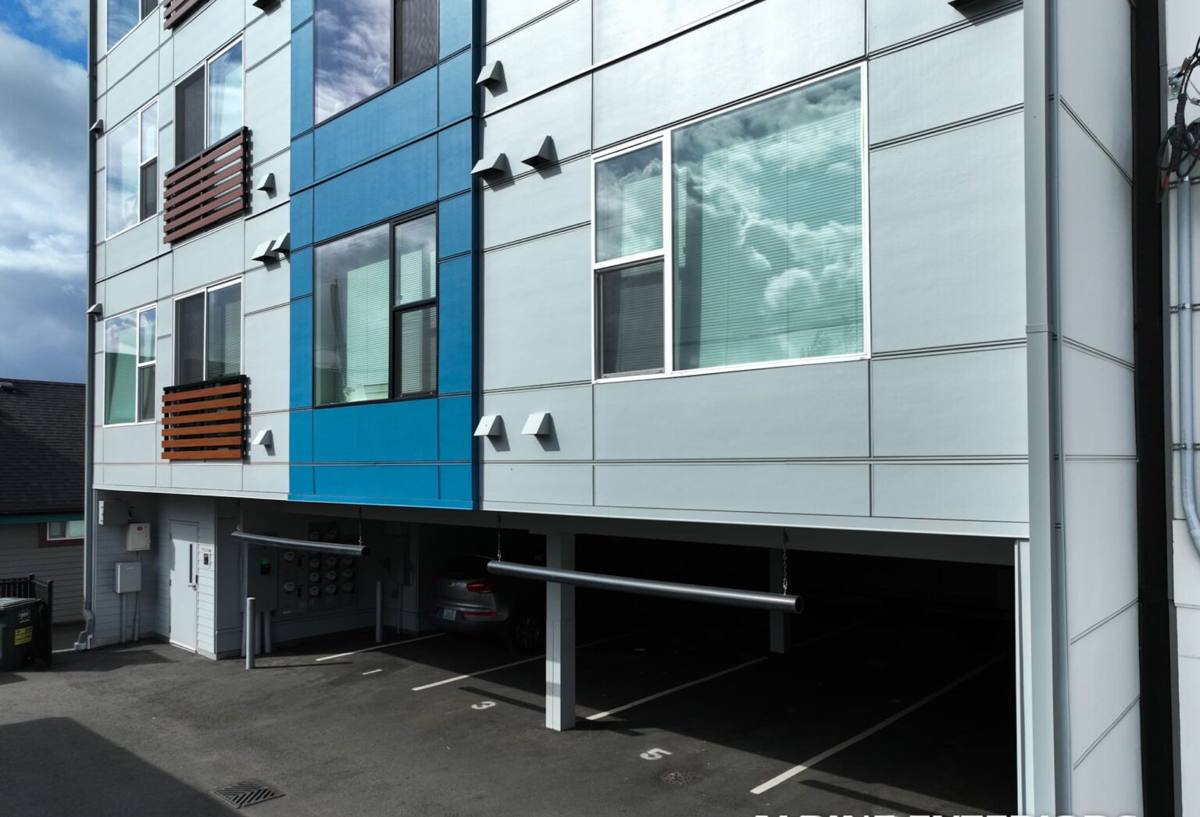
Signs Your Lakewood Ranch Home Needs New Siding
Some damage is obvious. Some isn't visible until you know what to look for. Homeowners in this area should keep an eye out for:
- Soft, spongy, or bubbling spots on the siding surface — often a sign moisture has gotten behind it
- Visible warping, buckling, or panels that no longer sit flat against the wall
- Cracking or splitting, especially along seams and around window and door trim
- Fading or chalking that won't wash off, a common issue on siding not engineered for intense Florida UV
- Peeling or bubbling paint, which often points to trapped moisture rather than just an old paint job
- Rising energy bills, which can mean the siding and the barrier behind it are no longer doing their job
- Mold, mildew, or a musty smell near exterior walls, especially after our rainy summer months
- Nail heads popping, gaps opening between panels, or trim pulling away from the house
Any one of these is worth a professional look. Several at once usually means the siding is past patching and into replacement territory.
Why We Only Install James Hardie Fiber Cement Siding
We made a deliberate decision as a company: we install James Hardie fiber cement siding exclusively. We don't install vinyl, LP SmartSide, Cemplank, Allura, or primed wood products like spruce or cedar. That's not a marketing angle — it's a standard we hold because of what we've seen happen to lesser materials in Sarasota County's climate over time.
Why not vinyl
Vinyl siding is affordable and easy to install, and for milder climates it can be a reasonable choice. In our climate, it's a different story. Vinyl softens and can warp in sustained high heat, gets brittle with age and UV exposure, and has a well-known failure point in high wind — panels can crack or blow off in the kind of gusts a hurricane season regularly produces. It also doesn't hold paint, so if the color fades or you want to change the look of the house later, your only real option is replacement.
Why not wood or engineered wood (LP SmartSide)
Wood and wood-based siding products look great when new, but they're organic materials in a state where humidity and moisture are constants. Even engineered wood siding with treated strands and resin binders is still vulnerable at cut edges and fastener points if the installation isn't flawless and maintenance isn't kept up. In a climate this wet, that's a heavier long-term maintenance burden than most homeowners want to take on.
Why James Hardie
Fiber cement is a mix of cement, sand, and cellulose fiber — it doesn't have the heat sensitivity of vinyl or the organic vulnerability of wood. James Hardie in particular engineers its products by climate zone, and homes here fall into the HZ10 zone built specifically for hot, humid, high-moisture regions like the Gulf Coast. It's also non-combustible, which matters for wildfire and ember exposure, and it comes with a factory-applied ColorPlus finish that's baked on and warranted against fading — a meaningful advantage under Florida sun. It's not the cheapest siding on the market, but it's the material we're willing to put our name behind for the long term.
How Siding Materials Compare in This Climate
| Material | Heat & UV Behavior | Wind & Storm Resistance | Moisture Behavior | Long-Term Maintenance |
|---|---|---|---|---|
| James Hardie fiber cement | Stable; ColorPlus finish resists fading | Engineered and tested for high-wind installation | Non-combustible, resists moisture-driven warping | Low; occasional wash, no repainting for years |
| Vinyl | Can warp or soften in sustained heat | Can crack or detach in high gusts | Doesn't rot, but seams allow water behind panels | Low, but limited repair/replace options |
| LP SmartSide (engineered wood) | Moderate; needs paint upkeep | Good when properly fastened | Vulnerable at cut edges and joints if not sealed | Moderate to high; repainting and caulking over time |
| Primed wood / cedar | Fades and checks without upkeep | Good when installed well | Highest risk of rot in humid climates | High; regular repainting and sealing |
What a Correct Siding Replacement Actually Involves
Full tear-off and inspection
We don't install new siding over old. A proper replacement starts with removing the existing siding down to the sheathing so we can actually see what's underneath — soft spots, hidden rot, old flashing that's failed, or framing damage that needs to be addressed before anything new goes up. Covering that up with new siding just hides a problem that gets worse.
Weather-resistive barrier
Behind the siding, a correctly installed weather-resistive barrier is what actually keeps wind-driven rain from reaching your framing. This layer matters as much as the siding itself in a climate where storms push water sideways, not just down.
Flashing and fastening
Windows, doors, and any penetration in the wall need proper flashing so water is directed out and away rather than trapped behind the siding. Fastening has to follow James Hardie's published specifications for our wind zone — the right fasteners, in the right pattern, at the right depth. This is where a lot of shortcuts get taken on rushed jobs, and it's exactly where wind failures start.
Finish and detailing
Trim, caulking, and touch-up work at cut edges finish the job and protect the parts of the installation most exposed to moisture. With ColorPlus siding, factory-finished edges reduce the amount of field painting needed, which also reduces the number of places moisture can get a foothold.
Our Process for Lakewood Ranch Projects
- On-site inspection of the current siding, trim, and any visible moisture or storm damage
- Honest assessment of whether repair is realistic or full replacement is the right call
- A clear, itemized estimate before any work begins — no surprise change orders
- Permitting handled for the job, since exterior work in this area requires it
- Full tear-off, sheathing inspection, and repair of any damage found underneath
- Installation of the weather-resistive barrier, flashing, and James Hardie siding to manufacturer and wind-zone specifications
- Final walkthrough so you can see the finished work and ask questions before we consider the job done
Cost Factors for a Lakewood Ranch Siding Replacement
Every home is different, and we won't quote a number without seeing the house, but the factors that move the price are consistent:
- Total square footage of exterior wall area and the complexity of the roofline and wall angles
- How much of the existing sheathing and framing needs repair once old siding comes off
- Siding profile and ColorPlus color selection, since some lines and finishes cost more than others
- Amount of trim, window and door detailing, and architectural features on the home
- Accessibility of the home and site conditions during the project
The honest answer is that fiber cement typically costs more upfront than vinyl. Where it earns that back is in fewer repairs, no repainting for years at a time, and a warranty and lifespan that make the real cost per year lower than it looks on day one.
Why Hiring a Crew That Already Works in Lakewood Ranch Matters
Siding installation isn't uniform across Florida, let alone across the country. A crew that regularly works in Lakewood Ranch and greater Sarasota County already understands the local wind-load requirements that inspectors check for, knows how to work around the deed restrictions and architectural guidelines common in many Lakewood Ranch communities, and has already seen how sun exposure and salt air affect siding on homes in this specific area over time. That experience shows up in details a first-time or out-of-town crew might miss — the right fastening pattern for our wind zone, flashing details that hold up through real storm seasons, and color and profile choices that have already proven themselves on nearby homes.
It also means faster, more predictable permitting, since we're familiar with the local process rather than learning it on your project.
Maintaining Your New Siding in Sarasota County
James Hardie siding is low-maintenance, not no-maintenance. A periodic rinse to remove salt residue and pollen buildup, a visual check after major storms for any dislodged trim or fasteners, and prompt caulking touch-ups around penetrations will keep the system performing the way it's designed to for the long haul. Because the color is baked into the ColorPlus finish rather than a field-applied paint job, you're not signing up for a repainting cycle every few years the way you would with wood siding.
If you're seeing warning signs on your current siding, or you just want a straight answer on whether repair or replacement makes more sense for your home, we're happy to take a look. Fill out the form below for a free, no-pressure estimate — we'll walk the property, tell you what we actually see, and give you a clear picture of your options.