 Sarasota Roofing
 Deck Repair Built for Lakewood Ranch's Climate
Lakewood Ranch sits inland from the coast, but that doesn't spare its decks from the punishment that comes standard with living in Sarasota County. Between the long, humid summers, near-constant UV exposure, and the wind-driven rain that rolls through during Florida's storm season, a deck here ages differently than one in a drier, milder climate. Boards cup and crack, fasteners corrode, and framing that looks fine from the top can be quietly failing underneath. We repair decks throughout the Lakewood Ranch area and see the same failure patterns often enough to know what to check first — and what homeowners tend to miss until it becomes a safety issue.
This page covers what deck repair actually involves for homes in this area, what we look for during an inspection, and how to tell the difference between a deck that needs a repair versus one that's telling you it's time for something more.
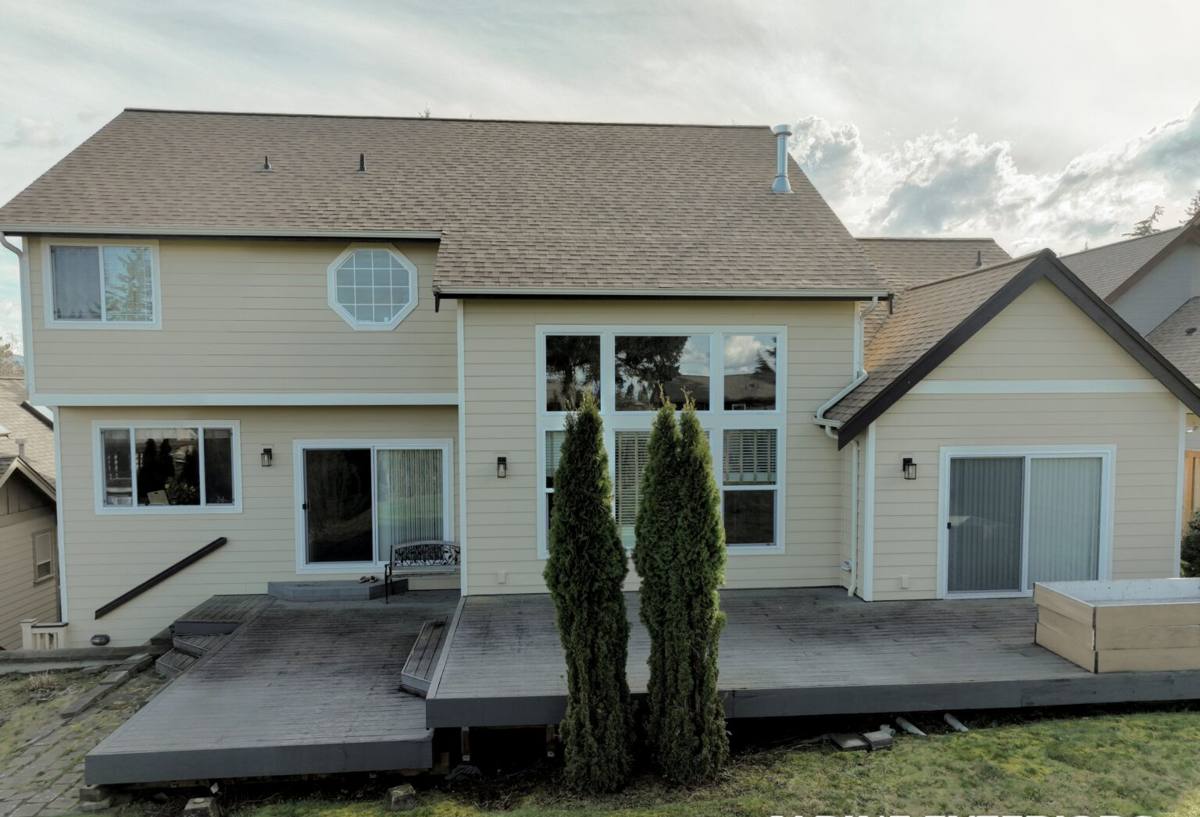
Why Decks in This Area Fail Faster Than You'd Expect
Heat and UV
Florida sun is relentless on exposed wood and composite decking alike. UV breaks down the lignin in wood fibers, which is why untreated or under-maintained boards gray, splinter, and lose structural integrity years before an identical deck would in a cooler, cloudier climate. Composite decking resists UV damage better than wood, but even composite products can fade, chalk, or become brittle at the surface over enough seasons in direct sun.
Humidity and Wind-Driven Rain
Sarasota County's humidity keeps moisture in play almost year-round, and storm season adds wind-driven rain that gets pushed sideways into areas a deck's design never accounted for — under railings, behind ledger boards, into fastener holes. Wood that stays damp longer than it stays dry is wood that rots, and it usually rots from the inside of a board or the underside of a joist, which is exactly where a homeowner isn't looking.
Salt Air
Lakewood Ranch is inland, but Sarasota County as a whole sits close enough to the Gulf that salt-laden air still reaches fasteners, brackets, and any exposed metal hardware on a deck. Salt accelerates corrosion in screws, joist hangers, and bolts — and a corroded fastener is a weak point long before it's visibly rusted through.
Hurricane-Force Wind Loads
Wind doesn't just threaten roofs. A deck attached to a house takes lateral and uplift loads during high wind events, and the ledger board connection — where the deck meets the house — is one of the most common failure points we find. If that connection was under-built to begin with, or has weakened from years of moisture exposure, a bad storm season is when it shows.
Signs Your Deck Needs Repair
- Boards that feel spongy, springy, or soft underfoot
- Visible cupping, cracking, or splintering on the deck surface
- Railings or posts that wobble or flex when leaned on
- Rust streaks around fasteners or visibly corroded hardware
- Gaps opening up between the deck and the house at the ledger board
- Stairs that feel uneven, bouncy, or have separated from stringers
- A musty smell coming from underneath the deck, which often points to trapped moisture and rot
- Visible daylight or gaps where joists meet beams or posts
Any one of these on its own might be a minor fix. Several at once usually means the deck's structural system has been compromised for a while, and it's worth a full inspection before anyone puts weight on it for a gathering.
What a Correct Deck Repair Actually Involves
A lot of deck "repairs" amount to swapping a few obviously bad boards and calling it done. That approach treats the symptom, not the cause, and on a deck exposed to this region's climate, it means you're back to square one within a season or two. Our process starts below the surface, not on it.
Structural Inspection First
Before we touch a single board, we check the framing: joists, beams, posts, and — critically — the ledger board connection to the house. This is where we find the problems that actually matter for safety, and it's the part most homeowners can't easily inspect themselves without pulling up decking.
Fastener and Hardware Check
Given how hard salt air and humidity are on metal hardware here, we inspect joist hangers, structural screws, and connector plates for corrosion. Corroded hardware gets replaced with fasteners rated for the exposure, not swapped for whatever matches on the shelf.
Moisture and Rot Assessment
We probe suspect areas — especially where boards meet the house, around post bases, and anywhere water tends to pool or drain slowly — to find soft or rotted wood before it spreads further. Rot that's caught early is a board replacement. Rot that's ignored becomes a framing repair.
Board Replacement Done Right
When boards need replacing, we match fastening methods and spacing to account for Florida's humidity swings — wood and composite decking both need room to expand and contract, and installing boards too tight is a common mistake that causes buckling down the road.
Repair vs. Replacement: How We Help You Decide
Not every deck problem needs a full rebuild, and not every deck is worth repairing again. We give homeowners a straight answer based on what the framing actually looks like, not a sales pitch either direction.
| Factor | Repair Usually Makes Sense | Replacement Is Often Better |
|---|---|---|
| Framing condition | Solid, dry, no rot found | Rot or corrosion at multiple structural points |
| Age of deck | Under 10-15 years, well-maintained | Original construction is decades old |
| Extent of damage | Isolated boards or hardware | Widespread cupping, rot, or fastener failure |
| Ledger board connection | Sound and properly flashed | Under-built, unflashed, or water-damaged |
| Repair history | First or second repair | Same issues keep recurring |
Cost is obviously part of the conversation too. Isolated board and hardware repairs are typically a modest expense; structural work involving joists, beams, or the ledger connection costs more because it's addressing the parts of the deck that keep everyone safe. We walk through the actual scope with you before any work starts, not after.
Materials: What We Use and Why
For repairs, matching or upgrading materials matters more in this climate than in most. We favor fasteners and hardware rated for coastal or high-corrosion exposure, even on inland properties like those in Lakewood Ranch, because salt air travels farther than people expect and hardware failures are expensive to catch late. For wood replacement boards, we use pressure-treated or naturally rot-resistant species appropriate to the deck's existing construction. Where a homeowner is open to it, we'll also discuss composite decking for repaired sections, since it holds up better against UV fading and moisture absorption than untreated wood — though we're upfront that composite has its own installation sensitivities, like proper spacing and fastening, that matter more in humid climates than manufacturers' generic instructions always convey.
We don't push a specific brand or material as a one-size-fits-all answer. The right choice depends on your deck's existing structure, your maintenance appetite, and your budget, and we'll lay out the honest trade-offs of each option rather than steering you toward whatever's easiest for us to install.
Our Process for Lakewood Ranch Deck Repairs
- Inspection: We assess the full deck system — surface, framing, ledger connection, and hardware — and document what we find.
- Written scope and estimate: You get a clear explanation of what needs repair, what's optional, and what it costs, before any work begins.
- Repair work: Structural issues get addressed first, followed by board replacement, hardware upgrades, and surface work.
- Final check: We walk the deck with you when the work is done so you can see exactly what changed and why.
Why Hiring a Crew That Works Lakewood Ranch Matters
A deck repair crew that works this area regularly knows what to expect before they climb underneath your deck. We've seen how quickly Sarasota County's humidity and UV exposure age untreated wood, how salt air corrodes hardware even on properties several miles from open water, and how wind-driven rain finds its way into ledger connections that look fine from above. That local pattern recognition means fewer surprises during the job and a repair that's actually built for what this climate does to a deck year after year — not a generic fix pulled from a national playbook.
We also know that Lakewood Ranch homeowners tend to want a straight, no-pressure answer rather than an upsell. If a deck genuinely needs replacement instead of repair, we'll tell you that plainly and explain why. If a repair will hold up for years, we won't talk you into more than the deck needs.
Maintaining Your Deck After Repair
A repair holds up longer with a little seasonal attention, especially in this climate:
- Rinse off pollen, dirt, and salt residue periodically to keep it from grinding into the surface
- Reapply sealant or stain on wood decking on the manufacturer-recommended schedule — UV exposure here shortens that interval compared to milder climates
- Check for standing water after heavy rain and confirm drainage paths under and around the deck are clear
- Look over visible hardware once or twice a year for early rust or corrosion
- Trim back vegetation that traps moisture against the deck structure
If your deck is showing any of the warning signs above, or it's simply been a while since anyone looked at the framing, we're happy to come take a look. We offer free, no-pressure estimates for Lakewood Ranch homeowners — you'll get a straight assessment and a clear scope of work, with no obligation to move forward. Just fill out the form below to get started.