 Sarasota Roofing
 Building Decks for Lakewood Ranch's Real Weather, Not Just Its Looks
Lakewood Ranch homeowners want an outdoor living space that matches the community's polished, planned feel — but a deck here has to survive more than an afternoon pool party. This part of the Gulf Coast deals with intense year-round UV, sudden wind-driven downpours, salt-laden air pushing inland off Sarasota Bay and the Gulf, and the real possibility of hurricane-force winds during the season. A deck that looks great in month one but cups, splits, rusts, or comes loose by year three isn't a good value no matter what it cost up front. Our approach to custom decks in Lakewood Ranch starts with that reality, not with a catalog of pretty railings.
Every recommendation below — the materials we steer clients toward, the fasteners we use, the framing details we insist on — comes from building and repairing decks in this exact climate, not from a national playbook written for a drier, milder region.
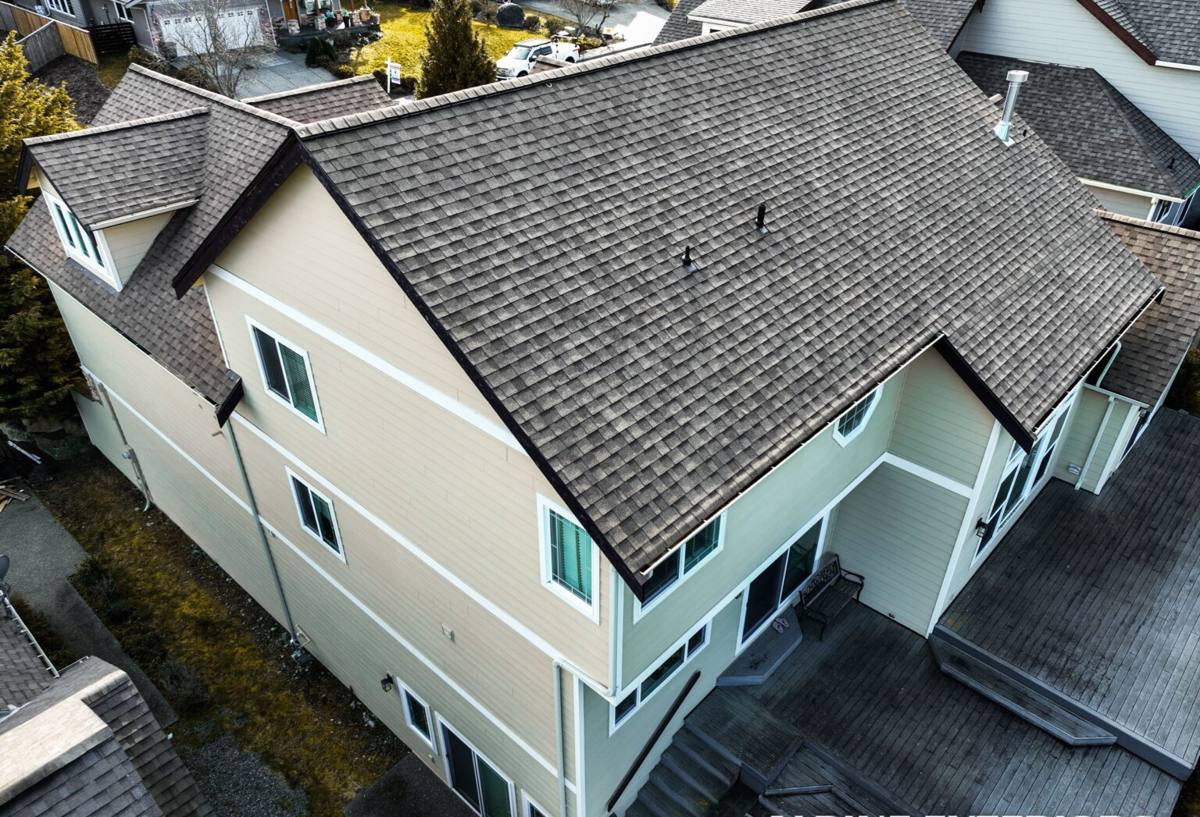
What Florida's Coastal Climate Actually Does to a Deck
It helps to understand the specific stresses at play, because they shape every material and construction decision that follows.
- UV exposure: Florida sun breaks down the surface fibers of untreated or poorly finished wood far faster than in northern climates, leading to graying, splintering, and checking.
- Humidity and afternoon storms: Wood that stays damp longer between rain events is more prone to rot, mold, and warping, especially in shaded or low-airflow spots under tree canopy.
- Salt air: Even well inland from the beach, airborne salt accelerates corrosion on screws, bolts, joist hangers, and railing hardware — the number one cause of premature deck hardware failure we see in this region.
- Wind loads: Sarasota County sits in a hurricane-prone wind zone, which affects how railings, ledger boards, and post connections need to be engineered, not just how they're built.
None of this means a deck can't last for decades here — it just means the build has to account for these forces from the ground up, not patch around them later.
Choosing a Decking Material That Fits Lakewood Ranch's Climate and Look
Wood Decking
Pressure-treated pine remains the most affordable decking option and is widely used throughout the area, but it demands regular sealing and staining to hold up against sun and humidity. Skip that maintenance for a year or two and you'll see graying, splintering, and eventually softening in high-moisture spots. Tropical hardwoods like ipe offer excellent density and rot resistance, but they're a heavier upfront investment, require specialty fasteners, and still need periodic oiling to maintain color.
Composite Decking
Modern composite boards resist fading, splintering, and moisture absorption far better than wood, which makes them a strong fit for a climate like Sarasota County's. The tradeoff is a higher material cost and the need to choose a quality product — lower-grade composites from years past had real issues with heat retention and surface degradation, which is why we're selective about which composite lines we install.
PVC Decking
Fully synthetic PVC decking contains no wood fiber at all, so it's essentially immune to rot and insect damage, and it handles humidity better than any wood-composite hybrid. It carries the highest material cost of the three, but for homeowners who want the lowest long-term maintenance in a coastal climate, it's often worth the premium.
| Material | Upfront Cost | Maintenance | Best Fit For |
|---|---|---|---|
| Pressure-Treated Wood | Lowest | Annual sealing/staining | Budget-conscious owners willing to maintain it |
| Tropical Hardwood | High | Periodic oiling | Homeowners wanting a natural wood look with better rot resistance |
| Composite | Mid-High | Low — occasional cleaning | Homeowners wanting wood-look with less upkeep |
| PVC | Highest | Lowest — rinse and clean | Owners prioritizing minimal long-term maintenance |
What Actually Determines Whether a Deck Lasts
The decking boards get all the attention because they're what you see and stand on, but the framing underneath is what determines whether the deck is still safe and level in ten or twenty years. This is where a lot of corner-cutting happens on lower-bid jobs, and it's invisible until something fails.
Ledger Board Attachment
The ledger board — where the deck ties into your house — carries a significant share of the structure's load. It needs proper flashing to keep water from working its way behind it into your home's wall assembly, and it needs to be through-bolted with corrosion-resistant hardware, not just nailed or lag-screwed in a way that looks fine but loosens over time.
Joists, Beams, and Footings
Joist spacing and beam sizing need to match the actual span and load of your design — not just whatever lumber happened to be on the truck. Footings need to be sized and set to local frost-free, load-bearing standards for our sandy Gulf Coast soils, which behave differently than clay or rocky soils further north.
Fasteners and Hardware
This is the detail that separates a deck that's structurally sound in year one from one that's still sound in year fifteen. In a salt-air environment, standard zinc-coated screws and joist hangers corrode faster than most homeowners expect. We use stainless steel or heavy-duty coated fasteners and connectors rated for coastal exposure throughout the structure, not just on the visible railing.
Railings, Stairs, and Code Compliance
Railings aren't optional trim — Florida building code sets minimum height and baluster-spacing requirements for any deck above a certain height, and those requirements exist because they matter for safety, especially with kids or pets around. Stair stringers need to be sized correctly for the rise and run, and any structural post supporting a railing needs a connection that can handle both vertical load and lateral wind push, not just enough to look sturdy. We build every railing and stair system to current Florida code, and we can walk you through exactly what applies to your specific deck design before we start.
Permitting in Sarasota County
Most new decks and significant deck rebuilds require a building permit and inspection, and many Lakewood Ranch neighborhoods carry their own HOA design review process on top of county permitting — covering things like allowed materials, railing style, or how close a structure can sit to a property line. We handle the permit application and inspection scheduling as part of our process, and we'll flag early if your design will need HOA sign-off so it doesn't stall the project midway through. Skipping permitting to save time is a shortcut that tends to cause real problems later, from failed home inspections at resale to insurance complications after storm damage.
Our Process, Start to Finish
- On-site consultation: We walk your property, discuss how you'll actually use the space, and take initial measurements.
- Design and material selection: We put together a layout and material plan suited to your budget, your home's style, and this climate — with honest tradeoffs explained, not just upsells.
- Written estimate: A clear, itemized quote so you know what you're paying for before anything is signed.
- Permitting: We prepare and submit the required permit documentation and coordinate any HOA approval needed.
- Construction: Framing first, with every structural connection built to code and rated for coastal exposure, followed by decking, railings, and finish work.
- Final walkthrough: We inspect the completed deck with you, confirm everything meets code, and pass along care instructions specific to the materials you chose.
Keeping a Florida Deck in Good Shape
Even a well-built deck needs some seasonal attention in this climate. The good news is that most of it is simple and doesn't take long if you stay on top of it.
- Rinse off salt residue, pollen, and organic debris every few weeks, especially after storms.
- Check railing posts and stair connections for looseness once or twice a year — hardware is the first thing salt air affects.
- Reseal or re-stain wood decking on the manufacturer's recommended schedule, typically every one to two years.
- Keep gutters and downspouts clear so runoff isn't dumping extra water onto or under the deck.
- Trim back nearby vegetation to keep airflow moving and reduce trapped moisture and shade-driven mildew.
- After any major storm, do a quick visual check for loosened boards, railing movement, or debris damage before heavy use resumes.
Why Local Experience in Lakewood Ranch Matters
A deck contractor who mostly works inland or in a different climate zone will still build something that looks like a deck — but they may not think twice about fastener grade, ledger flashing, or wind-rated railing connections, because those aren't daily concerns where they usually work. A crew that regularly builds in Sarasota County sees firsthand what salt air, sun, and storm season do to decks over time, including the repair calls that come from decks built without those details in mind. That experience shapes every material recommendation and structural decision we make, so you're not the one finding out the hard way three years from now.
Let's Talk About Your Deck
If you're considering a custom deck for your Lakewood Ranch home, we're happy to walk the property, talk through material options honestly, and put together a straightforward estimate — no pressure, no obligation. Use the form below to get started.