 Sarasota Roofing
 Roofing in Lakewood Ranch Has Its Own Set of Demands
Lakewood Ranch is one of the fastest-growing communities in the greater Sarasota area, stretching across both Manatee and Sarasota counties. Newer subdivisions, strict HOA design standards, and a mix of single-family homes and villas mean roofing work here looks a little different than it does in older, established neighborhoods. But the climate doesn't care about subdivision boundaries. Every roof in this area — new construction or a decade-old original — is dealing with the same combination of hurricane-force wind events, intense year-round UV exposure, wind-driven rain, and salt-laden air moving in off the Gulf.
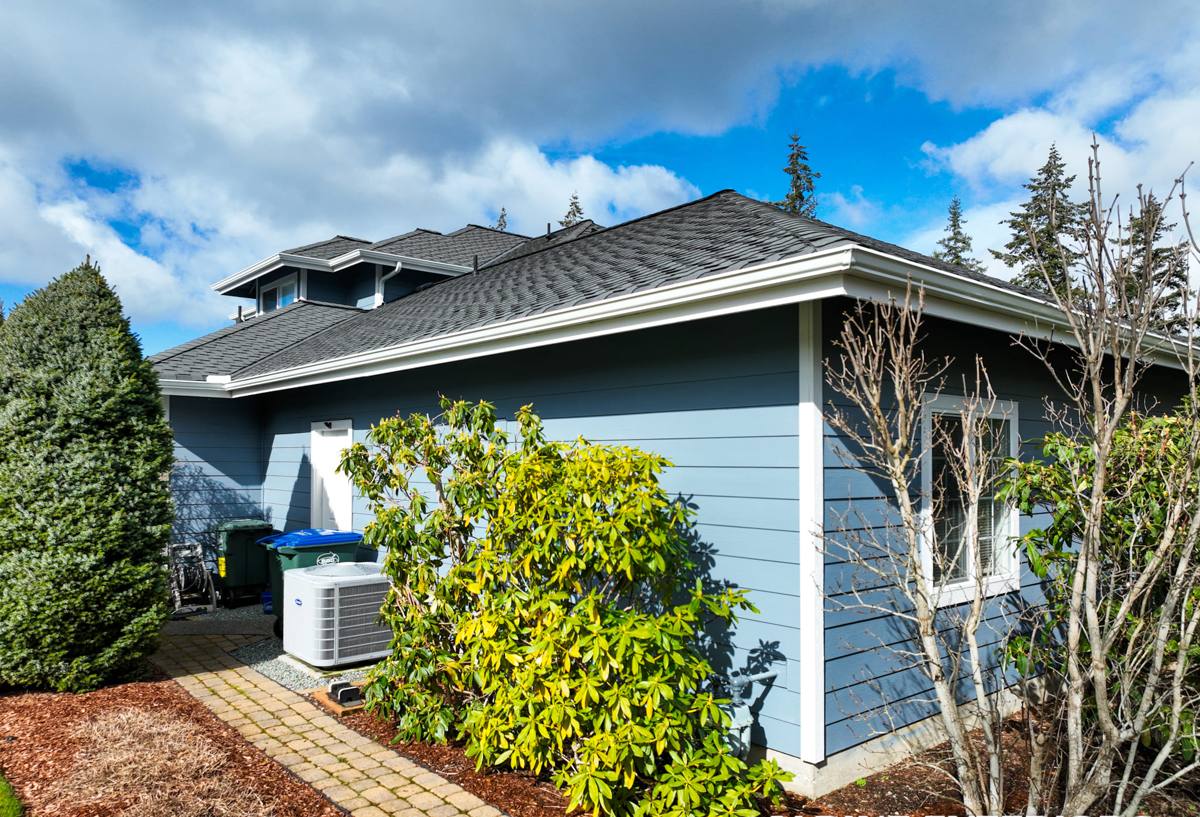
Asphalt shingle roofing remains one of the most practical, cost-effective choices for Lakewood Ranch homes when it's specified and installed correctly for this climate. The trouble is that "correctly for this climate" is doing a lot of work in that sentence — a shingle roof installed the same way you'd install one in a mild, dry climate will underperform here, sometimes dramatically. This page covers what a Lakewood Ranch asphalt shingle roof actually needs, what a proper installation involves, and how we approach these projects.
What This Climate Does to a Shingle Roof
Wind
Lakewood Ranch sits inland enough to avoid direct coastal surge, but it is not sheltered from hurricane-force wind. Tropical systems and even strong seasonal thunderstorms generate uplift forces that test every nail, every seal strip, and every piece of flashing on a roof. Shingles that are under-nailed, hand-nailed with the wrong pattern, or installed outside the manufacturer's wind-rated specifications are the ones that end up peeling off in strips instead of holding.
UV and Heat
Florida sun is relentless on roofing materials. Asphalt shingles rely on their granule coating and asphalt mat to resist UV breakdown, and constant heat cycling — hot days, cooler nights, afternoon storms — accelerates the aging process compared to most of the country. Lower-grade shingles show granule loss, curling, and brittleness years before their rated lifespan in this kind of sun exposure.
Wind-Driven Rain
It's not the rain itself that causes most leaks here — it's rain being pushed sideways and upward under wind pressure during storms. That means underlayment, flashing details, and how shingle courses overlap matter far more in Lakewood Ranch than they would in a calmer climate. A roof that would be watertight in normal rainfall can still leak under wind-driven rain if the details underneath the shingles weren't done right.
Salt Air
While Lakewood Ranch is farther from the coast than beachfront communities, salt-laden air still travels inland across the Sarasota area and gradually affects exposed metal — flashing, fasteners, vent stacks, and drip edge. Fasteners and flashing that aren't rated for coastal-adjacent exposure corrode faster, which can lead to leaks and loose shingles well before the roofing material itself is due for replacement.
What a Lakewood Ranch Home Actually Needs From Its Shingle Roof
Put those four factors together and the specification for a Lakewood Ranch roof becomes fairly clear: high wind-rated shingles, correctly installed underlayment built for wind-driven rain, corrosion-resistant metal components, and enough attic ventilation to keep heat and moisture from cooking the roof deck and shingles from underneath. Skipping any one of these doesn't necessarily cause an immediate problem — it shows up two, five, or ten years later as premature failure, a leak nobody can find, or a shingle that lifts in a storm that a properly installed roof would have shrugged off.
It's also worth noting that many Lakewood Ranch communities have HOA architectural guidelines governing shingle color, style, and sometimes brand. That's a planning step, not a technical one — but it does need to happen before material gets ordered, not after.
What a Correct Asphalt Shingle Installation Involves
A shingle roof is a system, not a single layer of material. Every component below the visible shingles is doing real work, and in a climate like ours, cutting corners on any layer shortens the life of the whole roof.
- Deck inspection and repair — the plywood or OSB deck is checked for soft spots, delamination, or water damage before anything new goes down; damaged sections get replaced, not covered.
- Drip edge at eaves and rakes — corrosion-resistant metal edging that directs water off the roof cleanly instead of letting it wick back under the shingles.
- Self-adhered underlayment at vulnerable areas — valleys, eaves, and penetrations get a waterproof membrane, not just standard felt, because these are where wind-driven rain finds its way in first.
- Synthetic or felt underlayment across the field — a secondary water barrier under the shingles that matters more in high-wind, wind-driven-rain climates than in most of the country.
- Proper flashing at every penetration and wall intersection — vent stacks, skylights, chimneys, and roof-to-wall transitions are common leak points if flashing is reused, undersized, or skipped.
- Shingle nailing pattern matched to the wind rating — the number and placement of nails per shingle is specified by the manufacturer for a reason; it's the difference between a shingle staying put and lifting off in a storm.
- Balanced attic ventilation — intake at the soffits and exhaust at the ridge or roof vents, sized to move heat and moisture out from under the deck.
- Clean tear-off and disposal — old material and nails fully removed rather than roofed over, so the new system sits on a sound, inspectable deck.
Shingle Options and How They Compare
Not every asphalt shingle is built the same, and the difference matters more in a high-UV, high-wind climate than it would somewhere milder. Here's how the common tiers compare for a Lakewood Ranch home:
| Shingle Type | Typical Wind Rating | Expected Lifespan Here | Best Fit |
|---|---|---|---|
| 3-Tab (economy) | Lower wind rating, lighter weight | Shorter, given UV and wind exposure | Budget-driven projects, rental properties |
| Architectural / Dimensional | Higher wind rating, heavier mat | Longer service life under UV and storm stress | Most owner-occupied Lakewood Ranch homes |
| Impact-Rated / Algae-Resistant | Highest available wind rating, added mat reinforcement | Longest, with better resistance to granule loss and streaking | Homes prioritizing storm resilience and possible insurance credits |
Beyond the shingle itself, cost is driven by roof pitch and complexity, the condition of the existing deck, how much of the underlayment and flashing system needs upgrading, and whether ventilation changes are needed. We walk through all of this specifically for your roof rather than quoting off a generic price list — two houses on the same street can have very different scopes of work once we're actually up there.
Our Process on Lakewood Ranch Projects
1. On-Roof Inspection, Not a Drive-By Estimate
We get on the roof, check the deck condition, current flashing, ventilation, and any trouble spots before quoting anything. Wind-driven rain damage often shows up as staining or soft decking in specific, predictable spots, and we know where to look.
2. A Written Scope You Can Actually Read
You get a clear breakdown of what's being replaced, what shingle and underlayment system we're proposing, and why — no vague line items.
3. HOA and Permitting
If your community has architectural review requirements for roofing color or style, we account for that in planning so material selection doesn't get held up after the fact. We also pull the correct permit for the work before it starts.
4. Tear-Off, Deck Repair, and Install
Full removal of the old roof, deck repair where needed, and installation following manufacturer specifications for wind rating — not a shortcut nailing pattern to save time.
5. Final Walkthrough and Cleanup
We walk the finished roof with you, confirm flashing and ventilation details, and make sure the property is cleared of debris and nails before we consider the job done.
Maintenance and Warranty in This Climate
Even a correctly installed shingle roof benefits from periodic checks in Sarasota County's climate — after major storms especially. Loose or lifted shingles, damaged flashing, or clogged valleys are far cheaper to address early than after they've caused deck damage or interior leaks. Manufacturer warranties on shingles typically require the installation to follow their specifications, including nailing pattern and underlayment — which is another reason installation quality matters as much as the shingle brand itself. We're upfront with homeowners about what's covered by material warranty versus workmanship warranty, so there's no confusion later if something needs attention.
Why Local Experience in Lakewood Ranch Matters
A roofing crew that regularly works this specific area knows the HOA review patterns, understands how newer construction in this part of the Sarasota region is typically built, and has already seen how wind-driven rain and salt air behave on roofs like yours over time. That's different from general roofing experience — it's familiarity with how this particular climate and this particular community interact with a shingle roof over years, not just on install day. It also means faster response if a storm comes through and you need someone who already knows your roof.
If you're planning a shingle roof replacement or repair in Lakewood Ranch, we're happy to take a look and give you a straightforward, no-pressure estimate — use the form below to get started.