 Sarasota Roofing
 Decks in Lakewood Ranch Work Harder Than Decks Almost Anywhere Else
A deck in Lakewood Ranch doesn't get an easy life. It sits under some of the most intense sun in the continental United States nearly year-round, gets soaked by wind-driven rain during afternoon storms and tropical systems, and sits close enough to the Gulf that salt-laden air is a constant, low-grade attack on fasteners, hardware, and finishes. Add in the occasional hurricane-force wind event that this part of Florida has to plan for, and it's easy to see why a deck built to a generic national standard often doesn't hold up the way a homeowner expects.
That's the gap we work in. A correct deck replacement here isn't just about picking nice-looking boards — it's about matching the structure, fasteners, and drainage details to what a Gulf Coast climate actually demands, so the deck you get is still solid, safe, and good-looking a decade or more from now.
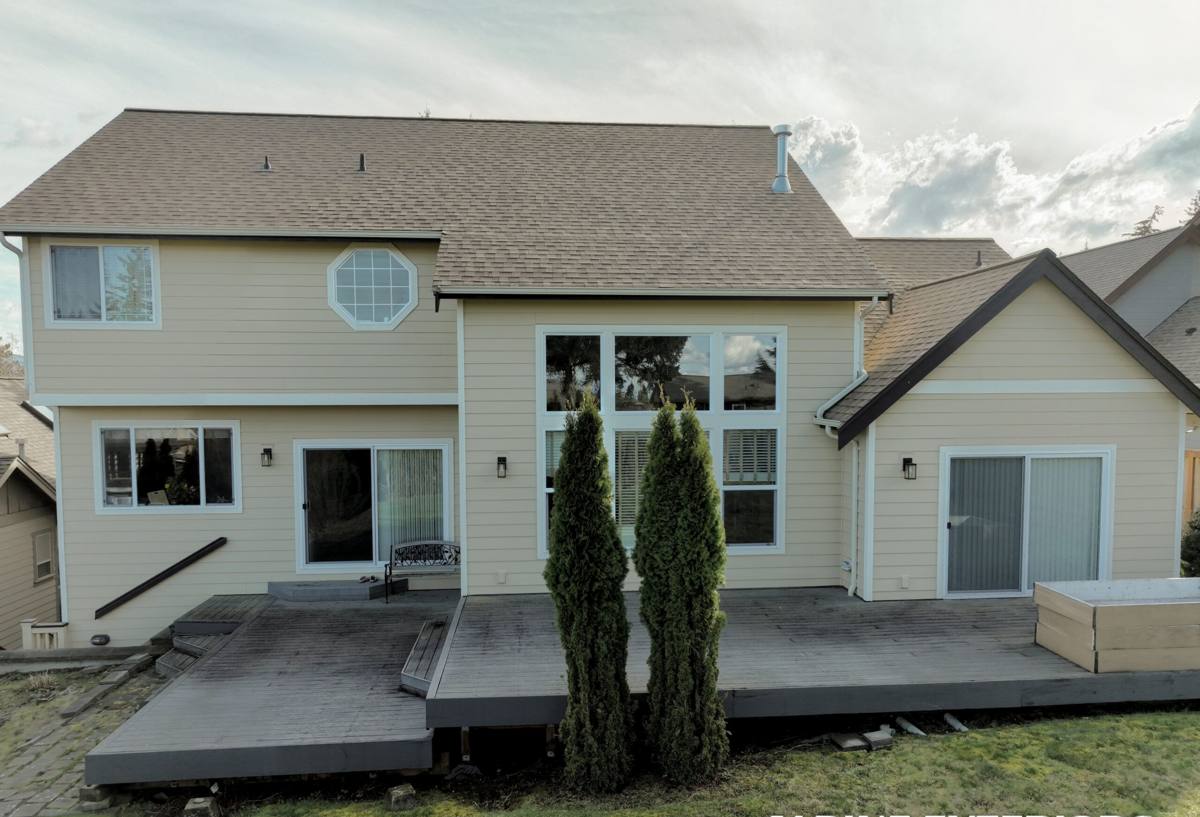
Repair or Replace? Knowing When a Deck Is Past Saving
Not every tired-looking deck needs to come out. But there are signs that go beyond cosmetic and point to a structure that's no longer safe or worth patching:
- Soft, spongy, or spring-loaded decking boards, especially near the house or stair landings
- Visible rot or crumbling wood at the ledger board (where the deck attaches to the house) or around post bases
- Rust streaking or heavily corroded fasteners and connectors — common here given the salt air
- Railings or stair stringers that flex, wobble, or feel loose under weight
- A deck that was never properly flashed at the house connection, allowing water intrusion into the structure or siding over time
- Multiple past repairs that have only addressed symptoms, not the underlying framing
If the framing, ledger connection, or footings are compromised, replacing the surface boards alone just delays the real problem. A full replacement lets us rebuild from the ground up with the right materials and connections the first time.
What a Correct Deck Replacement Actually Involves
A deck is only as good as what's underneath it. The visible decking boards get all the attention, but the parts that determine whether a deck survives a Florida decade are mostly hidden:
Structural Framing
Joists, beams, and posts sized correctly for the span and load, using lumber and hardware rated for exterior and, where called for, ground-contact exposure. In a climate this humid, undersized or unrated lumber shortens the life of the whole structure regardless of what decking sits on top.
Ledger Attachment and Flashing
Where the deck meets the house is the single most common failure point we see. It has to be properly flashed and fastened so wind-driven rain — which this area gets plenty of — can't work its way behind the ledger board and into the house framing or siding.
Footings and Post Bases
Footings sized and set to local code depth, with post bases that keep wood off standing water and away from direct soil contact. Poor drainage under a deck is a slow, quiet way to rot a structure from below where nobody's looking.
Fasteners and Hardware
Salt air corrodes standard fasteners faster than most homeowners expect. Stainless steel or coated, corrosion-resistant hardware rated for coastal exposure costs a bit more up front and saves you from hidden rust damage down the line.
Wind and Uplift Connections
Because this region plans for hurricane-force wind, railing posts and structural connections need hardware that resists uplift and racking, not just gravity loads.
Decking Material Options for Lakewood Ranch Homes
There's no single "best" decking material — the right choice depends on your budget, how much upkeep you want to do, and how the deck is used. Here's how the common options actually compare under Sarasota-area sun, rain, and salt air:
| Material | UV / Fade Resistance | Moisture Handling | Maintenance | Typical Lifespan Here |
|---|---|---|---|---|
| Pressure-treated wood | Fades and grays without regular sealing | Can absorb moisture and cup or split if not sealed | Annual cleaning and resealing recommended | 10-15 years with upkeep |
| Tropical hardwoods | Naturally dense, fades to gray over time | Good natural resistance, but needs periodic oiling | Moderate — oiling every 1-2 years | 15-25 years with upkeep |
| Capped composite | Strong fade resistance, protective cap layer | Does not absorb water like wood | Low — occasional washing | 25+ years |
| PVC decking | Very strong fade resistance | Fully moisture-resistant, no wood fibers to rot | Low — occasional washing | 25-30+ years |
We're upfront about the trade-offs rather than pushing one product for everyone. Wood costs less initially but asks for real annual maintenance to survive this climate — skip a year of sealing here and there, and UV and moisture damage add up fast. Composite and PVC cost more up front but are built for exactly the kind of sun and moisture exposure Lakewood Ranch sees, with far less ongoing work. If you want that classic wood look with lower maintenance, some composite lines now do a reasonable job mimicking wood grain — that's a conversation worth having based on your specific goals.
Our Deck Replacement Process
- On-site assessment. We inspect the existing deck, ledger connection, footings, and framing to confirm what's failing and why, not just what's visible on the surface.
- Design and material selection. We walk through decking material, railing style, and layout options based on your budget and how you actually use the space.
- Permitting. We handle the permit application and inspections required for your municipality so the work is fully compliant, not something that creates problems at resale.
- Demolition and disposal. Full removal of the old deck, including hauling away old material.
- Structural rebuild. New footings, framing, ledger flashing, and connections sized and installed to current code and coastal-exposure standards.
- Decking, railing, and finish work. Installation of your chosen decking and railing system, with attention to fastener spacing and drainage gaps that keep water moving instead of pooling.
- Final walkthrough and inspection. We review the finished deck with you and make sure it passes required inspections before we call the job done.
Permits, HOA Guidelines, and Local Code
Lakewood Ranch is a heavily planned community, and most sections carry HOA or deed-restriction guidelines that govern deck size, materials, railing style, and even color — separate from whatever the local building department requires. Skipping either step can mean a stop-work order, a fine, or having to redo work you already paid for.
We pull the required building permits for structural deck work and make sure the design meets current wind-load and safety code for this region. If your section of Lakewood Ranch has HOA architectural review, we'll help you understand what documentation they typically want so that step doesn't hold up your project. Building codes in coastal Florida communities also tend to run stricter than a lot of homeowners expect — particularly around railing height, guard spacing, and structural connections — which is exactly the kind of detail that gets missed by crews unfamiliar with the area.
What Drives Deck Replacement Cost
Every deck project is different, but the same handful of factors move the price up or down. Rather than quote a number that doesn't mean much without seeing your project, here's what actually drives cost:
| Factor | Why It Matters |
|---|---|
| Size and shape | Square footage and complexity of the layout (multiple levels, angles, stairs) directly affect labor and material |
| Decking material | Pressure-treated wood costs less upfront than composite or PVC, which cost more but need less upkeep |
| Framing condition | If footings and structural framing are sound, replacement can reuse them; if not, a full rebuild adds cost |
| Railing style | Basic wood or metal railing costs less than glass panels or high-end composite railing systems |
| Height and access | Elevated decks or decks with limited access for equipment and material take more labor |
| Permitting requirements | Larger or elevated decks may require more extensive engineering and inspection |
We provide a written estimate that breaks these factors down for your specific deck, so you know what you're paying for and why — not a vague lump sum.
Why Local Experience in Lakewood Ranch Matters
A deck built by a crew that hasn't worked in this specific climate and community tends to make the same predictable mistakes: fasteners that aren't rated for salt air, ledger flashing that isn't sealed against wind-driven rain, or a design that doesn't account for HOA guidelines specific to a planned community like Lakewood Ranch. Those mistakes are expensive and slow to fix after the fact.
A crew that already works in Lakewood Ranch and the broader Sarasota area knows the permitting process for this region, understands the wind and moisture demands of Gulf Coast weather, and has already worked through the kind of HOA and code requirements that catch out-of-area contractors off guard. That familiarity shows up in fewer surprises, fewer callbacks, and a deck that's actually built for where it sits.
A Quick Checklist Before You Hire
- Confirm the contractor pulls permits and doesn't ask you to skip that step
- Ask what fastener and hardware grade they use for coastal exposure
- Get specifics on how the ledger board will be flashed against the house
- Ask whether they've worked within Lakewood Ranch HOA requirements before
- Get a written estimate that breaks down materials, labor, and scope — not just a total
- Confirm licensing and insurance in writing, not just verbally
Caring for Your New Deck
Whatever material you choose, a little regular attention goes a long way here. Rinse off salt residue and debris periodically, keep gutters and downspouts directing water away from the deck area, and check railing connections and fastener heads once or twice a year for early signs of corrosion. Wood decks need a resealing schedule to hold up against UV and moisture; composite and PVC decks mostly just need washing to stay looking new. Catching a small issue — a loose baluster, a hairline gap opening at the ledger — early is a lot cheaper than catching it late.
If your deck is showing its age or you're ready to replace one that's no longer safe, we're happy to take a look and put together a straightforward, no-pressure estimate for your Lakewood Ranch property. Fill out the form below and we'll get in touch to schedule a time that works for you.