 Sarasota Roofing
 Composite Decking Built for Lakewood Ranch, Not Just Sold There
Lakewood Ranch sits across the Manatee and Sarasota county line, and it's one of the more active outdoor-living communities in the region — pools, lanais, and decks get used most of the year here, not just a few months. That means a deck in this area works harder than a deck in a lot of other parts of the country. It also means the deck has to survive a climate that doesn't take a break: long stretches of intense UV, sudden heavy rain, high humidity sitting on the wood day after day, and the occasional hurricane-force wind event that puts real uplift and racking stress on the structure underneath.
We install composite decking in Lakewood Ranch as a routine part of our work in the greater Sarasota area, and this page is about that one job specifically — not decking in general. What follows is what we've learned matters most for decks in this particular community, and what we think a homeowner should know before signing a contract with anyone.
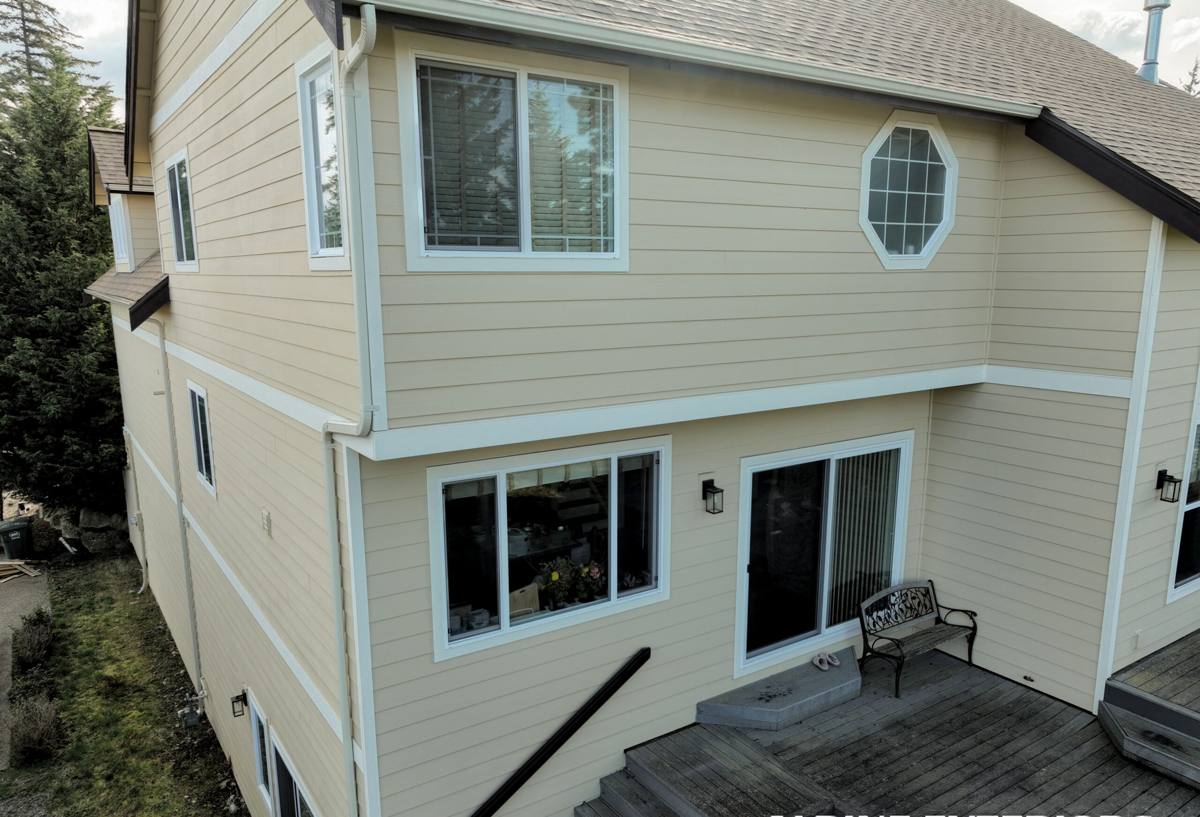
What Sarasota-Area Weather Actually Does to a Deck
Composite decking was developed largely to solve wood problems — rot, splintering, warping, insect damage. It solves most of those well. But composite boards are only as good as what's underneath them, and in this climate the substructure takes the real punishment.
Heat and UV
Florida sun is intense and constant. Lower-grade composite boards can fade or chalk on the surface faster than advertised, and dark colors can get hot enough underfoot to matter for bare feet around a pool. Board quality and color selection both affect how a deck actually feels and looks five years in, not just on install day.
Wind-Driven Rain and Humidity
Sarasota County sees heavy, sideways rain events, and humidity stays high for much of the year. Water gets driven up under boards and into ledger connections in ways a light afternoon shower elsewhere never would. If the substructure isn't detailed to shed and dry out quickly, moisture sits in framing connections and fastener points long after the surface looks dry.
Hurricane-Force Wind Loads
A deck attached to a house has to handle uplift and lateral load during a named storm, not just support foot traffic. Ledger attachment, joist hangers, and post connections all need to be rated and installed for that load — this is a structural question, not a cosmetic one, and it's one of the first things we check on any deck we build or repair here.
Composite Decking Materials: What Holds Up Here
Not all composite boards are built the same way, and the differences matter more in this climate than in a drier, milder one.
- Capped composite — a polymer shell wraps the wood-plastic core, which is what actually resists moisture absorption, staining, and fading in constant sun. This is what we recommend for almost every Lakewood Ranch project.
- Uncapped composite — cheaper, but the exposed core can absorb moisture over time and is more prone to surface wear and mold staining in a humid environment like this one.
- Hidden fastener systems — clip-based fastening keeps the deck surface free of screw heads, which also means no exposed fastener points where water and grit can sit long-term.
- Color and grain selection — lighter and mid-tone colors stay cooler underfoot and tend to show less fading contrast over time than very dark boards under constant Florida sun.
We install composite decking as our standard recommendation for this area precisely because it removes the wood problems — rot, splintering, re-staining every year — that this climate makes worse than most. Where a homeowner specifically wants a wood look or a different budget point, we'll walk through the honest trade-offs rather than push one product.
What a Correct Composite Deck Installation Actually Involves
The board itself is the least of what determines whether a deck lasts. The work that doesn't show is what decides that.
Substructure
Pressure-treated or, where budget allows, aluminum or composite substructure framing, sized and spaced to the manufacturer's span tables for the specific board being installed — not a generic spacing that "usually works."
Ledger Attachment
Where the deck ties into the house, proper flashing and structural fasteners are non-negotiable. This connection is the single most common failure point on decks we're asked to repair, and it's also the connection most exposed to wind-driven rain intrusion into the house structure if it's done wrong.
Ventilation and Drainage
Composite boards need airflow underneath to shed the humidity this region holds onto. Low clearance, blocked skirting, or joists set too close to grade all trap moisture against the substructure even though the surface boards themselves won't rot.
Fastening and Hardware
Stainless or coated fasteners rated for treated lumber contact, correctly spaced joist hangers, and post bases that keep wood off standing water — all details that cost little relative to the whole job but determine whether the frame is still sound in fifteen years.
A Quick Homeowner Checklist
- Boards are capped composite, not uncapped, if long-term fade and moisture resistance matter to you
- Substructure spacing matches the manufacturer's span table for your specific board
- Ledger board is properly flashed where it meets the house
- Deck has adequate clearance and airflow underneath, not sealed tight to grade
- Fasteners and hardware are corrosion-rated, not standard interior-grade hardware
- Contractor pulls the required permit and schedules inspections — don't take "we don't need one" at face value
Composite vs. Other Common Decking Choices
| Material | Maintenance | Moisture Behavior Here | Typical Lifespan Locally |
|---|---|---|---|
| Capped composite | Occasional cleaning, no staining/sealing | Resists absorption and swelling well | 20-30 years |
| Pressure-treated wood | Annual or biennial staining/sealing | Absorbs moisture, prone to warping and splitting in this humidity | 10-15 years |
| Uncapped composite | Low, but surface can stain and mold in humid shade | Core can absorb moisture over time | 15-20 years |
| Aluminum decking | Very low | Excellent, but higher upfront cost and different look/feel | 30+ years |
We're not against wood decking on principle — some homeowners want that specific look and are willing to keep up with the maintenance. Our job is to lay out what each choice actually costs you in upkeep and lifespan in this specific climate, then let you decide.
What Drives the Cost of a Lakewood Ranch Deck
| Factor | Why It Matters Here |
|---|---|
| Board tier (capped vs. uncapped) | Capped costs more upfront but resists this climate's humidity and UV significantly better |
| Substructure material | Aluminum or composite substructure adds cost but removes wood rot risk entirely |
| Deck height and railing | Taller decks and pool-code railing requirements add engineering and material cost |
| Ledger and structural connections | Proper flashing and hardware are a small cost that prevents the most common failure point |
| Permitting and inspection | Required by both Manatee and Sarasota county jurisdictions depending on exact location within Lakewood Ranch |
| Site access and demo | Removing an existing wood deck or working around pool equipment changes labor scope |
We give straightforward, itemized numbers rather than a flat per-square-foot quote that hides which of these factors is actually driving the price.
Permits and Local Requirements
Because Lakewood Ranch sits across the Manatee-Sarasota county line, the permitting authority for a given property depends on exactly where it falls. We handle that determination as part of the job rather than leaving it for the homeowner to sort out, and we pull permits and schedule inspections as standard practice — not as an upcharge or an afterthought. A deck permit isn't just paperwork here; it's what confirms the structural connections were actually built to withstand the wind loads this area sees.
Maintenance That Actually Matters in This Climate
Composite decking is low-maintenance, not no-maintenance. In this region, the few things worth doing are:
- Rinsing off pollen, salt residue, and organic debris periodically so it doesn't sit on the surface in humidity
- Keeping gutters and downspouts clear so runoff isn't dumping directly onto or under the deck
- Checking that skirting and under-deck vents haven't been blocked by landscaping or storage
- A periodic look at the ledger flashing and fastener condition, especially after a significant storm
None of this is heavy work, but skipping it is how a well-built deck starts showing problems years earlier than it should.
Why Hiring a Crew That Already Works in Lakewood Ranch Matters
A contractor who works this specific community regularly already knows which county's permitting applies to a given address, what the HOA architectural review process typically expects in terms of timeline and documentation, and how the local soil and drainage patterns tend to behave on a given lot. That's not something you get from a crew that's installed one deck here and mostly works elsewhere. It also means callbacks and warranty work are simple — we're not driving in from out of the area to handle a punch-list item.
If you're weighing composite decking for a home in Lakewood Ranch, we're glad to walk the property, talk through board options and what they'll actually cost to own over time in this climate, and give you a straightforward estimate. No pressure, no hard sell — just a free, honest look at what your project needs.