 Sarasota Roofing
 Why Lakewood Ranch Siding Has to Work Harder Than Siding Almost Anywhere Else
Lakewood Ranch sits inland from the coast, but it doesn't get a pass from Sarasota County's climate. Homes here still face months of intense, direct UV exposure, sudden wind-driven rain that comes in sideways during summer storms, and the periodic threat of hurricane-force wind loads. Add in Florida's humidity, which never really lets a wall assembly dry out for long, and you have a set of conditions that will find every weak point in a siding installation within a few years — not decades.
That's the real story behind most premature siding failure we get called out to inspect: it's rarely that the product itself was hopeless. It's that the installation wasn't built for what this climate actually does to a house, day after day, for twenty-plus years. Panels that weren't fastened to spec work loose in wind events. Butt joints that weren't flashed or caulked correctly let wind-driven rain track behind the cladding. Paint systems that weren't rated for constant UV chalk and fade well ahead of schedule. None of that is inevitable — it's a function of material choice and workmanship, both of which are things a homeowner can actually control when hiring for the job.
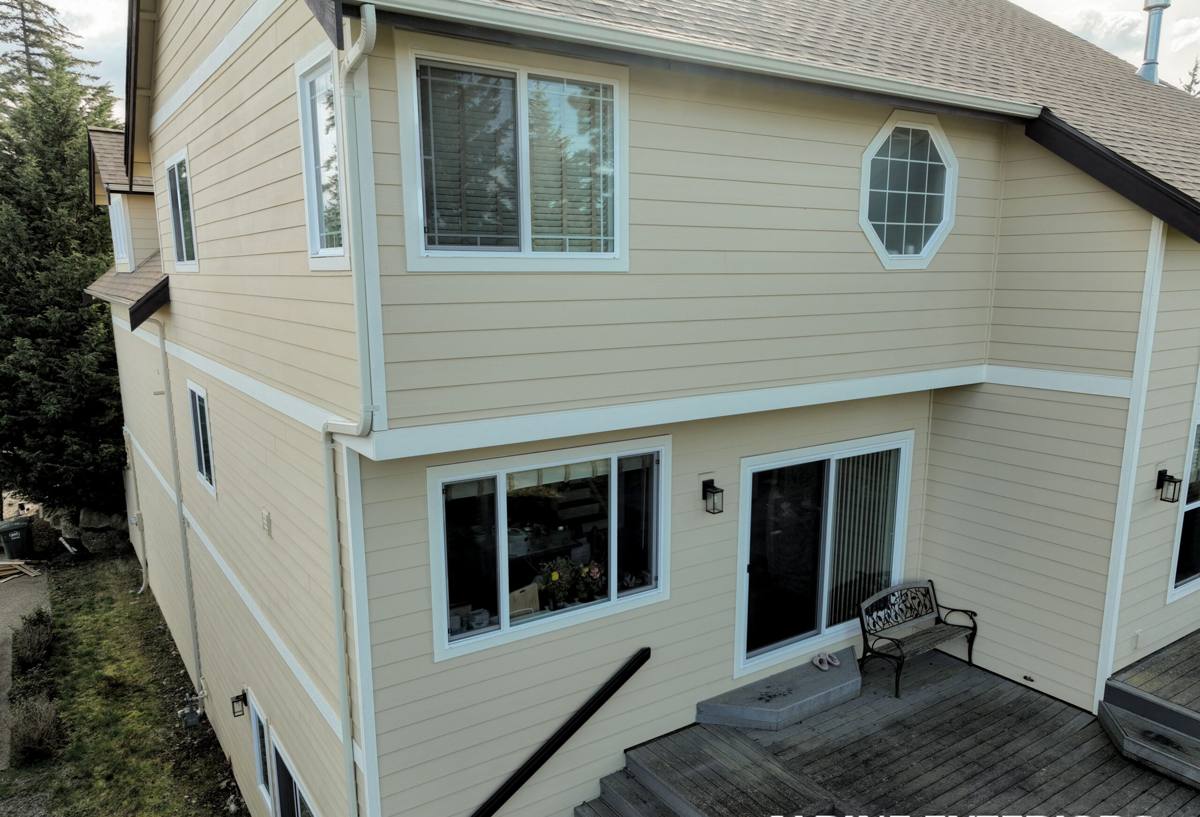
What a Correct Siding Installation Actually Involves
Siding is a system, not a single layer. Getting it right on a Lakewood Ranch home means every layer underneath the visible panel is doing its job, because the panel itself is only the last line of defense.
Tear-Off and Substrate Inspection
Before anything new goes up, the old siding comes off and the sheathing underneath gets inspected. This is where hidden moisture damage, soft wood, or prior water intrusion shows up — problems that, left covered, will keep spreading under a brand-new siding job. Any compromised sheathing gets addressed before installation continues, not patched over.
Weather-Resistive Barrier and Flashing
A correctly lapped weather-resistive barrier, paired with proper flashing at every window, door, and roofline transition, is what actually keeps wind-driven rain out of the wall cavity. This is invisible once the job is finished, which is exactly why it's the step that gets shortcut on lower-quality installs — and exactly why we don't shortcut it.
Fastening to Manufacturer and Wind-Load Spec
Fastener type, spacing, and placement are not cosmetic details — they determine how the siding performs in a wind event. James Hardie publishes specific fastening requirements for high-wind zones, and Sarasota County's building code reflects that reality. Installing to spec here is not optional if you want the siding to stay attached during storm-force winds.
Joints, Caulking, and Trim Detail
Butt joints, corners, and trim intersections are the most common entry points for water on any siding job. Correct sealant selection and application, along with proper joint treatment, keeps those seams from becoming leak paths a few years down the road.
Factory Finish Integrity
Cut edges get properly sealed and touched up with the correct product so the factory finish's moisture and UV protection isn't compromised at every cut line — a detail that's easy to skip and hard to notice until the finish starts failing along every seam.
Why We Install James Hardie Fiber Cement — And Nothing Else
We standardized on James Hardie fiber cement siding and don't install vinyl, LP SmartSide, Cemplank, Allura, or wood siding products. That's not a marketing position — it's a decision based on what actually holds up under Florida conditions over the long haul.
Fiber cement is non-combustible, which matters in a state where wildfire risk and strict building codes both factor into insurance underwriting. It doesn't soften, warp, or become vulnerable to moisture-driven decay the way engineered wood products can if a seal ever gets compromised. It doesn't expand and contract with heat the way vinyl does, which matters when panels are baking in direct Gulf Coast sun for months at a stretch. And Hardie's ColorPlus factory finish is engineered specifically to resist UV fading and hold color consistency far longer than field-applied paint typically manages in this climate.
Hardie also builds HZ5 product lines engineered specifically for high-humidity, high-moisture climate zones — which is exactly the zone Sarasota County sits in. That's a meaningful difference from siding lines designed as one-size-fits-all for the whole country. Combined with a strong transferable warranty, it's the product we're willing to put our name behind, and it's what we put on every home we side — including in Lakewood Ranch.
Our Installation Process for Lakewood Ranch Homes
- On-site assessment — we walk the exterior, check current siding condition, and look at trim, soffit, and flashing details that affect the whole job.
- Product and profile selection — choosing the Hardie plank profile, texture, and ColorPlus finish that fits the home and the neighborhood.
- Tear-off and substrate check — removing existing siding and inspecting sheathing before covering anything up.
- Weather barrier and flashing installation — the layer that does the real water-management work.
- Hardie panel installation — fastened to manufacturer and local wind-load specification.
- Joint sealing and trim finish — sealing seams, cutting and sealing panel edges, and finishing trim details.
- Final walkthrough — reviewing the finished job with the homeowner before we consider it done.
Signs Lakewood Ranch Homeowners Should Watch For
| What You're Seeing | Likely Cause | Why It Matters |
|---|---|---|
| Soft or spongy siding sections | Moisture intrusion behind the panel | Often signals a failed barrier or flashing detail, not just surface damage |
| Cracking or splitting at joints | Movement, poor caulking, or wrong fastener placement | Open joints let wind-driven rain track directly into the wall cavity |
| Fading or chalking finish | UV breakdown of a non climate-rated finish | Once the finish fails, the substrate underneath loses its protection too |
| Panels loose or rattling in wind | Under-fastened or incorrectly spaced fasteners | A real risk during hurricane-force wind events |
| Visible gaps at corners or trim | Improper trim detailing at install | Common entry point for water and pests |
Cost Factors for a Lakewood Ranch Siding Project
Every home is different, so exact numbers depend on the specifics of your project — but the main factors that drive cost are consistent from house to house.
| Factor | How It Affects the Project |
|---|---|
| Home size and wall complexity | More square footage, corners, and architectural detail means more material and labor |
| Current siding removal | Tear-off of existing siding, and any substrate repair it uncovers, adds time and cost |
| Hardie product line and profile | Lap style, texture, and ColorPlus finish selection affect material pricing |
| Trim and detail work | Custom trim, soffit, and fascia work beyond the flat wall panels adds labor |
| Access and site conditions | Lot layout, home height, and landscaping can affect setup and labor time |
We give a firm, itemized quote after an on-site assessment rather than a rough phone estimate — siding pricing that isn't based on an actual look at your home isn't worth much.
Why Hiring a Crew That Already Works Lakewood Ranch Matters
Siding installation done right in Sarasota County isn't generic exterior work — it needs to account for local wind-load requirements, humidity behavior, and the building code details that apply in this specific area. A crew that regularly works Lakewood Ranch and the surrounding Sarasota area already understands what inspectors expect, what fastening and flashing standards apply locally, and how homes here actually perform against the climate over time. That familiarity shows up in fewer surprises during the job and fewer callbacks after it.
It also matters for something less obvious: knowing what "correct" looks like on a finished Hardie installation, not just what looks acceptable from the curb. Cut edges sealed properly, joints finished to spec, fastener patterns that meet wind-load requirements — these are details a crew either does consistently or doesn't, and it's usually invisible to a homeowner until years later when it either holds up or doesn't.
What to Ask Before Hiring Anyone for Siding Work
- Are you a certified or factory-trained James Hardie installer, and can you explain your fastening and flashing approach?
- Will you inspect and address the sheathing underneath before installing new siding?
- What warranty applies to both the product and your labor, and is it transferable?
- Do you pull the required permits and schedule the inspections Sarasota County requires?
- Can you walk me through how joints, corners, and cut edges will be sealed and finished?
- Will I get a written, itemized quote based on an actual site visit — not a phone estimate?
After Installation: Keeping Hardie Siding Performing
James Hardie siding installed correctly needs relatively little upkeep, but a little attention goes a long way in this climate. Rinse the exterior periodically to keep salt air residue and pollen from building up. Keep an eye on caulked joints and touch up any cracking promptly, since that's the fastest way minor wear turns into a moisture problem. And after any major wind event, a quick visual check for loose panels or damaged trim is worth the five minutes it takes.
If you're weighing siding options for a Lakewood Ranch home, or your current siding is showing its age, we're happy to come take a look and walk you through what we'd recommend and why. Reach out for a free, no-pressure estimate — there's a form right below to get started.