 Sarasota Roofing
 Lakewood Ranch Roofs Face a Specific Set of Problems
Lakewood Ranch sits inland from the coast, but "inland" in Sarasota County doesn't mean sheltered. Homes here still take the full brunt of Gulf Coast weather: hurricane-force wind gusts during storm season, sun that beats down on shingles nearly every day of the year, wind-driven rain that finds its way through the smallest gaps in flashing, and enough humidity year-round to keep moisture problems alive long after a storm has passed. A roof that was installed correctly for a mild climate somewhere else will not hold up the same way here.
When a roof reaches the point where patching no longer makes sense — widespread granule loss, multiple past repairs, decking that's soft in more than one spot, or age alone pushing the shingles past their realistic service life — full replacement is the honest recommendation. This page is about doing that job correctly for a Lakewood Ranch home, not about upselling a replacement when a repair would do.
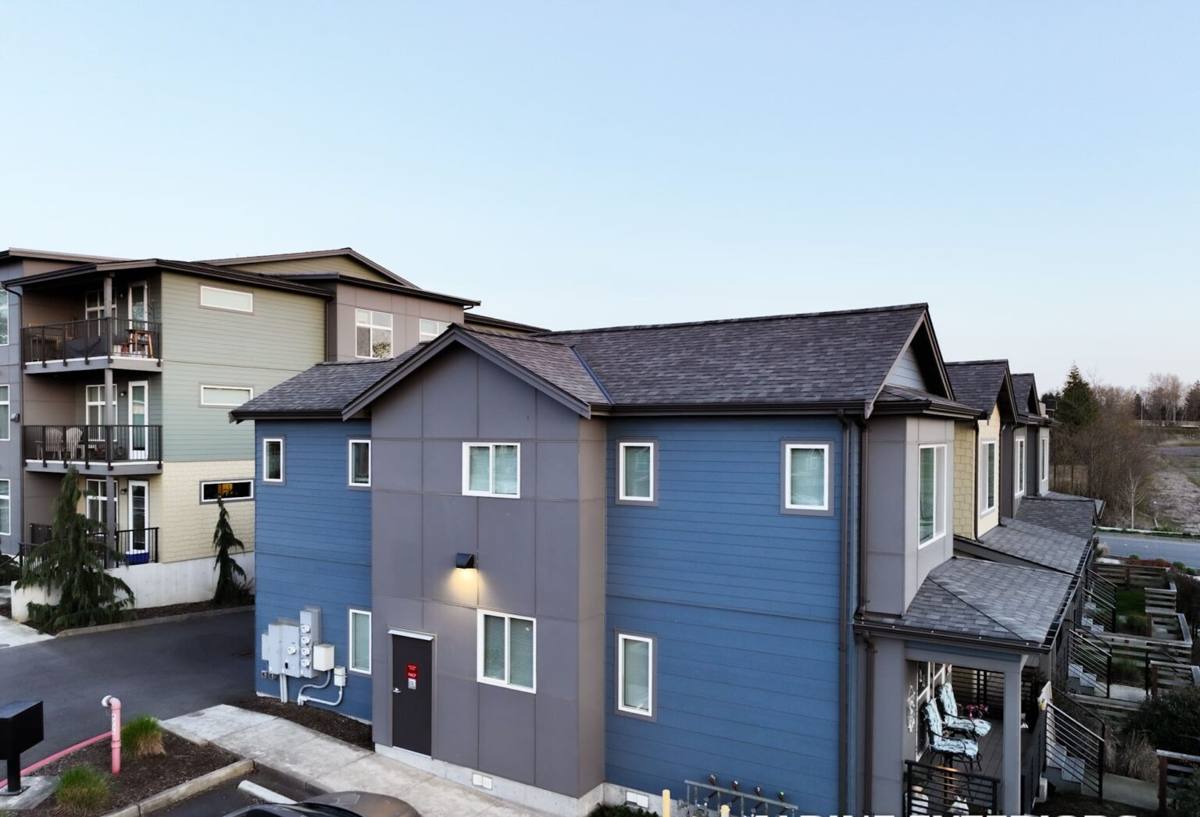
What Local Conditions Demand From a New Roof
Wind
Sarasota County requires roofing work to meet Florida Building Code wind provisions, and for good reason. A roof system is only as strong as its weakest attachment point — nailing pattern, fastener type, and underlayment attachment matter as much as the shingle brand printed on the wrapper. A correctly installed roof is engineered as a system, not just a layer of shingles laid on top of the old ones.
UV Exposure
Florida sun is harder on roofing materials than the sun in most of the country. UV breaks down asphalt shingle mat and adhesive over time, which is why shingle warranties in this climate rarely play out the way the paperwork suggests they might in a cooler state. Material selection and proper attic ventilation both affect how well a roof actually holds up to that exposure, not just how it's rated on paper.
Wind-Driven Rain
Straight-down rain is easy for any roof to shed. Wind-driven rain — the kind that comes in sideways during a squall or tropical system — tests every seam, valley, and penetration. This is where flashing detail and underlayment quality separate a roof that survives storm season from one that leaks at the first hard blow.
Salt Air
Lakewood Ranch is far enough inland that salt exposure is less aggressive than it is right on the coast, but Sarasota County air still carries some salt content, and it accelerates corrosion on exposed metal fasteners, flashing, and vents over time. Material choices for those components should account for that, even inland.
Signs a Full Replacement Is the Right Call
- Shingles are curling, cupping, or losing granules across large sections rather than in one isolated spot
- You've had two or more repair visits in the past few years for different leaks
- Decking feels soft or spongy underfoot in more than one area of the roof
- The roof is approaching or past the age range typical for its material type
- Your insurer is requesting a roof certification or threatening non-renewal due to roof age or condition
- You're planning to sell and want to avoid a roof issue derailing the inspection
What a Correct Installation Actually Involves
A new roof is more than stripping old shingles and nailing down new ones. Done right, the job includes several layers most homeowners never see once the crew packs up:
Tear-Off and Deck Inspection
Full tear-off to the deck lets us actually see what's underneath — something a re-roof over old material can't do. Any soft, delaminated, or water-damaged plywood gets replaced before anything new goes down. Skipping this step is one of the most common shortcuts in the industry, and it's the reason some "new" roofs fail early.
Underlayment
The underlayment is the roof's backup defense against wind-driven rain, and in this climate it deserves real attention rather than the cheapest option available. Self-adhered underlayment in vulnerable areas — valleys, eaves, and around penetrations — adds real protection against wind-driven intrusion.
Flashing
Chimneys, skylights, walls, and vent penetrations are where most roof leaks actually start, not in the open field of shingles. New flashing, properly integrated with the underlayment and shingle courses, is standard on every installation — reusing old flashing to save time is a corner we don't cut.
Fastening and Wind Rating
Nailing pattern and fastener count are specified by code and by the manufacturer for a reason. Correct fastening is what keeps a roof attached during a wind event; it's invisible once the job is done, but it's the difference that shows up when the wind actually blows.
Attic Ventilation
Proper intake and exhaust ventilation keeps attic temperatures and moisture in check, which extends shingle life and helps prevent the kind of trapped humidity that leads to deck rot and mold in a climate as humid as ours.
Comparing Roofing Material Options
There's no single "best" roofing material for every Lakewood Ranch home — the right choice depends on your budget, your home's structure, and how you weigh upfront cost against long-term maintenance. Here's an honest comparison of the options most homeowners in this area consider:
| Material | Typical Lifespan | Upfront Cost | Considerations for This Climate |
|---|---|---|---|
| Architectural asphalt shingle | 20–30 years | Lowest | Good wind rating options, wide color selection, most common choice locally |
| 3-tab asphalt shingle | 15–20 years | Low | Lower wind resistance than architectural shingles; less common on new installs here for that reason |
| Metal (standing seam or panel) | 40–50+ years | Higher | Strong wind and UV performance, but installation quality and fastener detail matter even more than usual |
| Concrete or clay tile | 40–50+ years | Highest | Excellent durability but adds structural weight; requires the roof structure be evaluated for tile loading |
We'll walk through these trade-offs with you in plain terms during your estimate rather than steering you toward whatever happens to be easiest for us to install.
Our Process for Lakewood Ranch Homeowners
- On-site inspection and estimate. We look at your current roof, attic ventilation, and any problem areas, and give you a written estimate with no pressure to sign on the spot.
- Material selection. We go over options that fit your budget and your home, including how each performs under the wind, UV, and rain conditions typical of Sarasota County.
- Permitting. Roof replacements in Sarasota County require a permit and inspection. We handle that paperwork so you don't have to chase it down yourself.
- Tear-off and deck repair. Old material comes off down to the deck, and any damaged decking is replaced before new material goes on.
- Underlayment, flashing, and shingle or panel installation. Installed to manufacturer and code specifications, not shortcuts.
- Final walkthrough and county inspection. We review the finished roof with you and coordinate the required inspection so everything is documented and closed out properly.
Why a Crew That Already Works in Lakewood Ranch Matters
Roofing crews unfamiliar with an area are working blind on things that a local crew already knows cold: how Sarasota County's permitting and inspection process actually runs, what wind and rain patterns hit the area hardest during storm season, and how to schedule around Florida's summer thunderstorm rhythm to avoid leaving a home exposed mid-project. Many Lakewood Ranch communities also have HOA architectural guidelines that can affect approved shingle colors or styles — if yours does, it's worth checking before you fall in love with a particular look, and we're glad to help you navigate that conversation.
Local presence also matters after the job is done. A crew that works this area regularly is easy to reach if a question comes up post-installation, rather than being a name on an invoice from a company that was only in town for one project.
Maintenance and Warranty Basics
A correctly installed roof still benefits from basic upkeep: keeping gutters clear so water doesn't back up under the eaves, trimming overhanging branches, and having the roof looked at after any major storm even if nothing looks obviously wrong from the ground. Warranty coverage typically has two parts — a manufacturer's warranty on the material itself, and a workmanship warranty from the installing contractor covering the labor. Ask any contractor you're considering to explain both in writing before you sign anything.
Questions Worth Asking Before You Hire Anyone
- Are you licensed to perform roofing work in Florida, and can you provide proof of insurance?
- Will you pull the required permit, or is that left to me?
- What underlayment and flashing details will you use, specifically — not just the shingle brand?
- Is a full tear-off included, or is this a re-roof over existing material?
- What does your workmanship warranty cover, and for how long?
- Can I get the estimate and scope of work in writing?
If your Lakewood Ranch roof is showing its age or you just want an honest opinion on repair versus replacement, we're glad to take a look. Fill out the form below for a free, no-pressure estimate — we'll tell you what we actually see, not just what's easiest to sell.