 Sarasota Roofing
 Windows Built for What Venice Actually Deals With
Venice sits on the Gulf, which means the windows on a Venice home work harder than windows almost anywhere inland. Between seasonal tropical systems, near-constant UV exposure, wind-driven rain that finds every weak seal, and salt air that corrodes hardware and pits metal over time, a window here isn't just a design feature — it's part of the building envelope keeping water, wind, and heat out of the house. A window that's "fine" in a subdivision forty miles inland can be the first thing that fails in a Venice storm.
Custom windows, done right for this area, aren't about picking a pretty style out of a catalog. They're about matching glass, frame material, and installation method to the specific wind exposure, orientation, and construction of the home they're going into. That's a different job than a standard big-box window swap, and it should be treated as one.
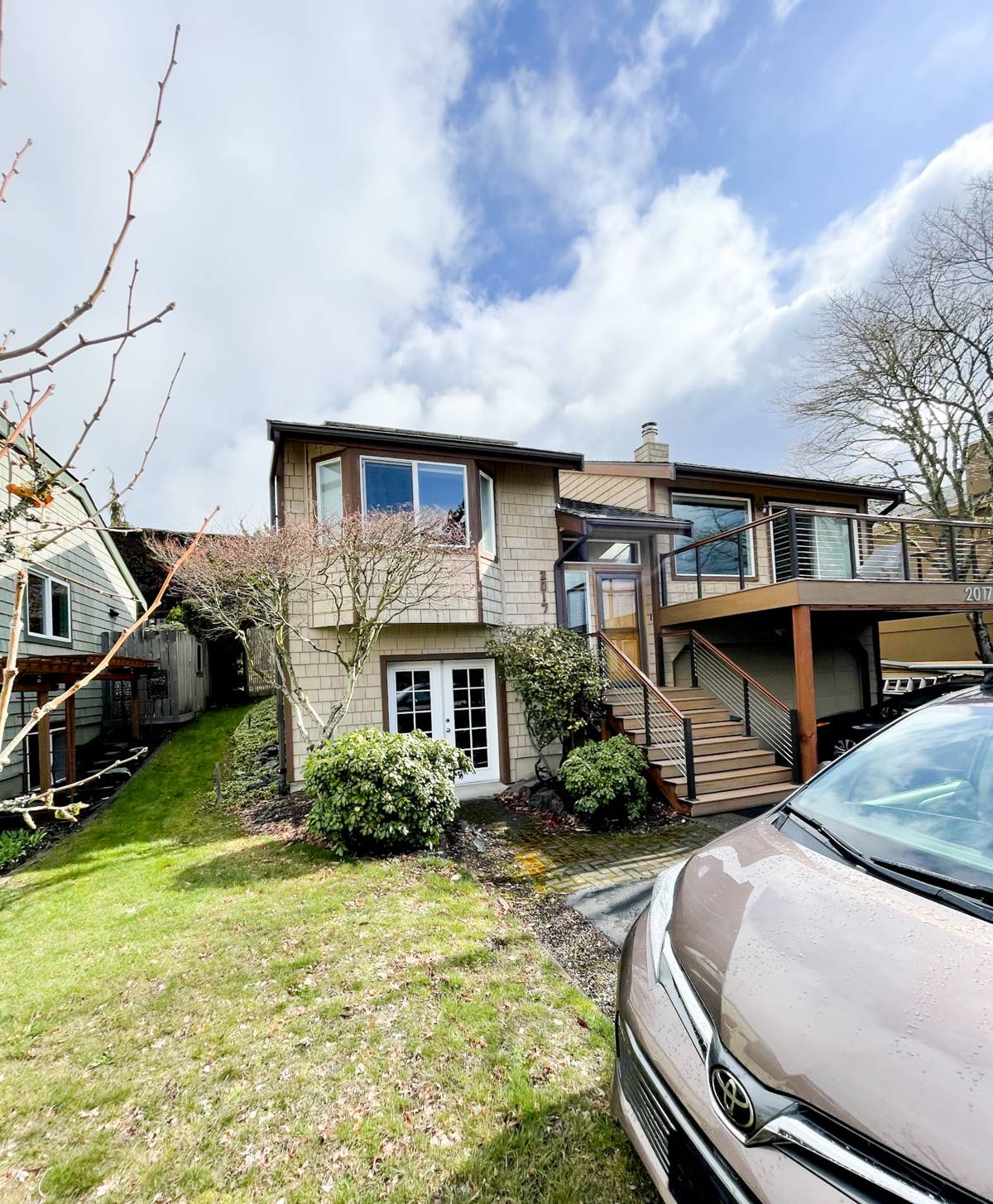
What "Custom" Really Means for a Venice Window Job
Most homes in and around Venice weren't built with perfectly standard, off-the-shelf window openings — especially older homes, homes that have had additions, or homes with architectural details like arched tops, bay configurations, or oversized openings facing the water. "Custom" in this context usually covers a few real-world situations:
Non-standard openings
Older construction, settled framing, or additions built without perfectly square openings often need windows measured and built to the actual opening, not a nominal size. Forcing a stock size into an irregular opening leads to shimming, gaps, and long-term water intrusion problems.
Matching existing architecture
Grid patterns, tint, frame color, and trim profile all matter when you're replacing some windows but not all of them, or when a home's exterior character is part of its value. Custom orders let us match what's already there instead of creating a mismatched patchwork.
Performance requirements that vary by exposure
A window on the windward side of a home facing open water or a large fetch of open ground needs a different wind and impact rating than one tucked on a sheltered interior wall. Custom specification means every opening gets the glass and frame rated for what it actually faces, not a one-size-fits-all product.
Impact Glass vs. Shutter Systems
Homeowners in this area generally choose between impact-rated windows (laminated glass that stays intact and sealed even when the outer pane cracks) or standard/laminated glass paired with a separate shutter or panel system that's deployed before a storm. Both are legitimate approaches; the right one depends on budget, how much manual storm prep the homeowner wants to do, and daily-use priorities like noise reduction and UV blocking.
| Factor | Impact Windows | Windows + Shutters/Panels |
|---|---|---|
| Storm prep required | None — always protected | Must install panels/shutters before each storm |
| Daily UV & noise reduction | Significant, all year round | Only when shutters are deployed |
| Upfront cost | Higher per opening | Lower window cost, added shutter cost |
| Exterior appearance | Unchanged day to day | Shutters visible when deployed or stored |
| Insurance considerations | Often qualifies for wind mitigation credits | May qualify depending on shutter type and rating |
Neither option is automatically "better" — we walk through both with homeowners based on the specific openings, the home's exposure, and what they actually want to deal with when a storm is approaching.
Frame Materials and Salt Air
Salt air is corrosive to hardware, fasteners, and lower-grade metal components, and it doesn't take long to show. Frame material choice matters as much as glass in a coastal Sarasota County environment.
Vinyl
Vinyl frames don't corrode and require minimal maintenance, which makes them a common choice for coastal homes. The trade-off is that vinyl can expand and contract more with heat, so quality of manufacture and installation detailing matter more than with other materials.
Aluminum
Aluminum frames are strong and hold up well structurally, but they need a good finish (anodized or properly coated) to resist salt corrosion over time. Lower-grade or improperly finished aluminum hardware is one of the more common failure points we see on older coastal homes.
Fiberglass
Fiberglass resists both corrosion and thermal movement well, and holds paint finishes longer than vinyl in some cases. It typically costs more up front, which is a real factor for larger jobs.
We don't push one material as universally "correct" — we explain the maintenance burden, expected lifespan, and cost trade-offs of each so the homeowner is choosing with full information, not marketing language.
Code, Permitting, and Wind Load in This Area
Florida's building code requires windows in coastal wind-borne debris regions — which includes Sarasota County — to meet specific wind load and, in many cases, impact resistance or opening protection standards. That means every window we install needs a valid Florida product approval number matched to the wind zone and exposure category of the specific home, not just a generic "hurricane rated" label.
Permitting is required for window replacement in this area, and inspections verify installation matches the approved product and method. Skipping or shortcutting this process is one of the more common problems we find when we're called in to fix someone else's prior window job — it usually surfaces at resale, when a missing permit or mismatched product approval holds up closing.
How We Approach a Venice Window Job
- On-site assessment — we look at every opening individually, note framing condition, orientation, and any existing water intrusion or rot before recommending anything.
- Measurement and product selection — openings are measured precisely, and glass/frame combinations are matched to each opening's exposure and the home's wind zone.
- Permitting — we handle the permit application and coordinate the required inspections so the job is documented correctly from the start.
- Removal and installation — old units are removed carefully to protect surrounding stucco, trim, and framing; new units are set, shimmed, and fastened per the manufacturer's approved installation method.
- Flashing and sealing — this step is where most window failures actually originate. Proper flashing and sealant detailing around the opening is what keeps wind-driven rain out, regardless of how good the window itself is.
- Final inspection and walkthrough — we confirm operation, sealing, and finish work with the homeowner before calling the job complete.
What Drives Cost
Window pricing varies a lot based on the specifics of the job, and we'd rather explain the real cost factors than throw out a number that doesn't apply to your home.
| Cost Factor | Why It Matters |
|---|---|
| Glass type (impact vs. standard/laminated) | Impact glass costs more per unit but removes the need for separate storm protection |
| Frame material | Vinyl, aluminum, and fiberglass carry different material and finish costs |
| Opening size and count | Larger or non-standard openings require custom fabrication rather than stock sizing |
| Exposure and required wind rating | Higher wind-load openings need heavier-rated, more expensive products |
| Stucco, trim, or structural repair | Damaged framing or exterior finish around an opening adds labor beyond the window itself |
Signs Your Current Windows Need Attention
- Fogging or moisture between panes (failed seal on double-pane glass)
- Difficulty opening, closing, or locking — often a sign of frame warping or hardware corrosion
- Visible gaps, cracked caulking, or daylight around the frame
- Water staining on interior walls or sills after heavy rain
- Chalky, pitted, or corroded aluminum hardware and frames
- Noticeable outside noise or a hot/cold room compared to the rest of the house
- Windows original to a home built before current wind-borne debris code requirements
Why Local Experience in Venice Matters
Window installation isn't just a product question — it's a local-knowledge question. Crews that work this area regularly know how Sarasota County's permitting and inspection process runs in practice, understand the wind exposure differences between a home on open water and one further inland, and have seen firsthand how the housing stock in this area — from older construction to newer builds — tends to fail or hold up over time. That matters when it comes to catching a bad flashing detail, sourcing the right product approval for a specific opening, or knowing which HOA or deed-restricted communities in the area have their own exterior requirements on top of code.
A crew that only occasionally works this far south, or outside the region entirely, is more likely to miss those details — and on a coastal home, the details are usually what determines whether a window job lasts fifteen years or fails in the first bad storm season.
If you're weighing options for your home's windows, we're happy to take a look and walk through what actually makes sense for your specific openings and budget. Request a free, no-pressure estimate using the form below and we'll go from there.