 Sarasota Roofing
 Building New in Venice Means Getting the Window Install Right the First Time
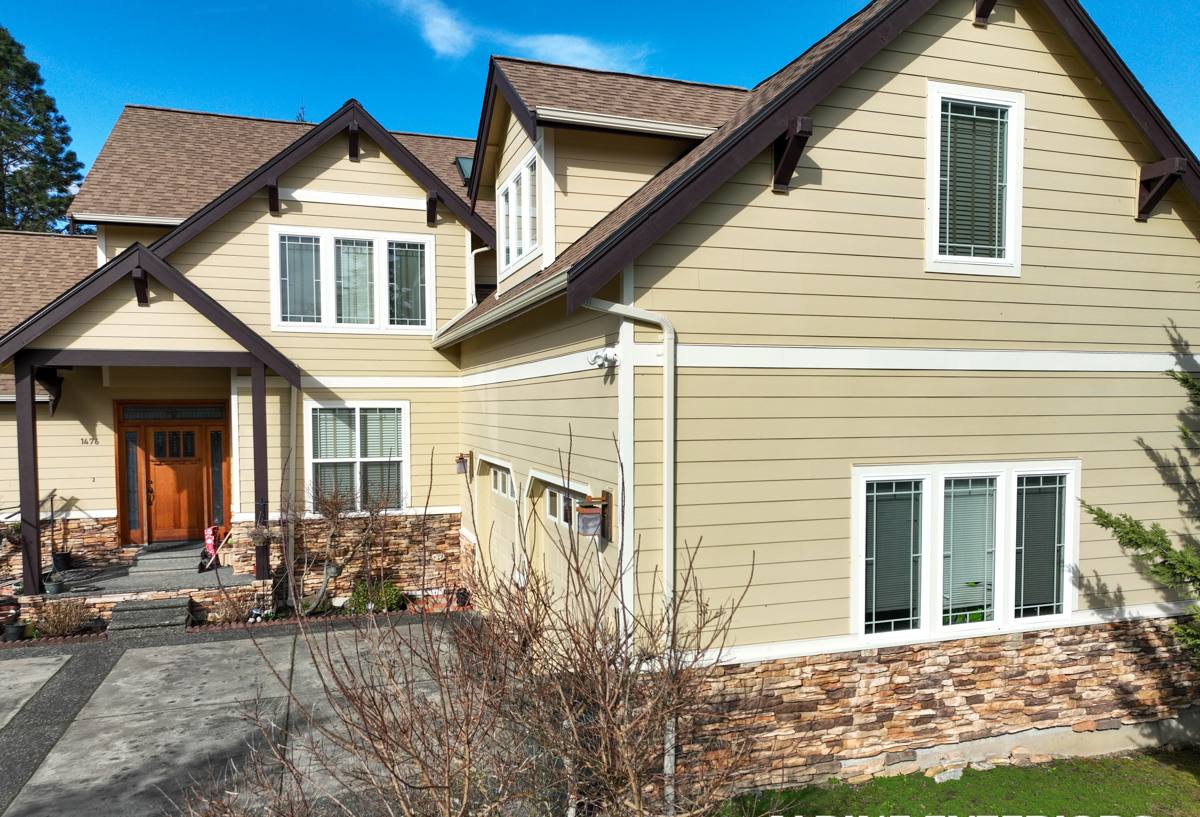
New-construction window installation is a different job from swapping out old windows in a finished wall. On a new build or an addition in Venice, the windows go into open rough openings before the exterior finish — stucco, siding, or brick veneer — closes the wall up. That sequencing matters. Get the flashing, fastening, and weatherproofing wrong at this stage, and the mistake gets sealed behind the finish for the life of the house. There's no going back to fix it without tearing into the exterior.
We work new-construction window installs for builders, remodelers, and homeowners managing their own additions around Venice and the rest of Sarasota County. We know what local building departments look for at inspection, what the wind-borne debris requirements mean for the products you can use, and how to install a window so it performs for decades in a coastal Gulf climate — not just passes inspection and looks fine on move-in day.
What Venice's Climate Actually Does to a Window Installation
Venice sits on the Gulf, and that coastal position shapes almost every decision in a proper window install:
- Hurricane-force wind: Sustained pressure and gusts push and pull on the window frame and the wall assembly around it every storm season. A window that isn't fastened, shimmed, and flashed to spec becomes the weak point in the wall.
- Wind-driven rain: Florida storms don't just drop rain — they drive it sideways and upward into wall assemblies. A window opening depends on correctly lapped flashing and sealant, not just a bead of caulk, to keep water out from every direction.
- Year-round UV exposure: Constant sun degrades vinyl, breaks down cheap sealants, and fades frame finishes faster here than in most of the country. Materials and sealants rated for this exposure aren't optional extras.
- Salt air: Being close to the Gulf means airborne salt accelerates corrosion on hardware, fasteners, and frame components that aren't built for a marine-adjacent environment.
None of this is unique to Venice, but it's more concentrated here than in inland Sarasota County neighborhoods. A window install that would hold up fine forty miles inland can fail years early this close to the water if it's not built for the exposure.
New-Construction Install vs. Replacement — Why the Distinction Matters
The nailing-fin advantage
New-construction windows typically use a nailing (or flange) fin around the perimeter of the frame. That fin gets fastened directly to the framing and integrated into the wall's weather-resistive barrier and flashing system before the exterior finish goes on. Done correctly, this creates a continuous, layered water management path — not a window sitting in a hole with sealant around the edges.
Why sequencing is everything
The install has to happen at the right point in the build: after rough framing and weather-resistive barrier are in place, before stucco lath, siding, or brick veneer closes the opening. Flashing tape and pan flashing at the sill go on in a specific shingle-lap order — sill first, sides next, head last — so water sheds down and out at every layer, the same way roof shingles work. Skip a step or do it out of order, and you've built a path for water to get behind the finish with no way to see it until there's damage.
One shot to get it right
Once stucco or siding closes the wall, that flashing work is invisible. We don't cut corners here because there's no repair phase later — the work either holds for the life of the house or it doesn't.
Florida Building Code and What It Means for Your Venice Project
Coastal Sarasota County falls within Florida's wind-borne debris region, which means new-construction windows here generally need to be either impact-rated or paired with code-compliant shutter protection — plain non-impact glass without protection typically isn't an option this close to the coast. Design wind pressures for coastal Sarasota County are set high relative to most of the state, and every window has to carry a pressure rating that matches its position on the house, not just a generic "hurricane" label.
This isn't paperwork for its own sake. The permit and inspection process exists because an underrated or improperly installed window in a wind event doesn't just fail itself — a breach lets pressure build inside the house and puts the roof structure at risk too. We pull permits, size products to their actual wall location, and build to pass inspection the first time, because a failed inspection on a new build stalls the builder's whole schedule.
Choosing the Right Window for a Venice New Build
Frame material, glass package, and impact rating all interact with each other. There's no single "best" window — the right call depends on the wall's exposure, the budget, and how the homeowner wants the house to perform.
| Factor | What to Consider in Venice |
|---|---|
| Impact glass vs. shutters | Impact glass stays in place year-round with no storm prep; shutters cost less upfront but require deployment before every storm and long-term upkeep of the hardware |
| Frame material | Vinyl and fiberglass resist salt-air corrosion better than uncoated aluminum; look for hardware and fasteners rated for coastal/marine exposure regardless of frame type |
| Glass coatings | Low-E coatings cut UV-driven fading and heat gain, which matters for year-round Gulf-coast sun exposure and cooling costs |
| Wall orientation | Gulf-facing and upper-story openings generally see higher wind pressure and driving rain than protected or interior-facing walls, and may need different pressure ratings |
| Warranty structure | Check what's covered on frame, glass seal failure, and hardware separately — coastal exposure is often what shortens the useful life of a window, so know what's actually protected |
We walk through these trade-offs with the builder or homeowner before ordering, because the wrong call here is expensive to undo once the window is set and the wall is closed.
How We Handle New-Construction Window Installs
- Review the plans and rough openings against the approved window schedule and wind pressure ratings for each opening's location on the house
- Verify the weather-resistive barrier and rough opening are prepped correctly before any window goes in
- Install sill pan flashing first, lapped to shed water outward
- Set the window plumb, level, and square, shimmed and fastened to manufacturer and code specification — not just "close enough"
- Flash the sides and head in proper shingle-lap sequence over the nailing fin
- Seal and insulate the interior gap per manufacturer instructions, avoiding over-compression that can bow the frame
- Photo-document flashing and fastening before the wall closes, for the builder's and homeowner's records
- Stand ready for inspection and walk the building official through the install if questions come up
Why an Experienced Local Crew Matters More Here Than It Sounds
Window installation instructions look simple on paper. In practice, quality comes down to hundreds of small decisions — how much a fastener is torqued, whether the flashing tape actually bonds in Florida humidity, whether the crew notices a rough opening that's slightly out of square before they force a window into it. A crew that works Venice and Sarasota County regularly has already seen how local framing, stucco, and permitting realities actually play out on site — not just how they're supposed to work in theory.
- Confirm the crew pulls its own permits and schedules its own inspections — not "handled by the builder" with no direct accountability
- Ask how they sequence flashing at the sill, sides, and head, and expect a clear, specific answer
- Check that quoted products carry pressure ratings matched to your specific wall locations, not a single rating applied to the whole house
- Ask what happens if an inspection doesn't pass the first time — a straight answer beats a vague reassurance
- Get the warranty terms in writing before the wall closes, not after
What Drives Cost on a New-Construction Window Job
Every project is different, but the same handful of factors move the price on most Venice new builds:
| Cost Factor | Why It Matters |
|---|---|
| Number and size of openings | More openings and larger units mean more material and labor hours |
| Impact rating required | Impact-rated glass costs more than standard glass paired with shutters, but removes ongoing storm-prep labor |
| Frame material and finish | Fiberglass and higher-end vinyl typically run above builder-grade aluminum, but hold up longer against salt air |
| Wall exposure and pressure rating | Gulf-facing or upper-story openings needing higher pressure ratings cost more than protected, lower-exposure walls |
| Access and scheduling | Working around a tight builder schedule or hard-to-access framing can add labor time |
We give straight, itemized numbers based on your actual plans and window schedule — not a rough per-opening guess that changes once the crew shows up.
After Installation: What Keeps a New-Construction Window Performing
A correctly installed window still needs basic upkeep in this climate. Rinse accumulated salt residue off frames and hardware periodically, especially on Gulf-facing walls. Inspect exterior sealant joints once a year for cracking or separation — UV breaks sealant down faster here than inland. Keep an eye on weep holes at the sill so they stay clear and can drain as designed. None of this is heavy maintenance, but skipping it shortens the life of even a well-installed window.
If you're building new or adding on in Venice or elsewhere in Sarasota County, we're glad to walk your plans, talk through window and impact-protection options for your specific walls, and give you a straight, no-pressure estimate. Use the form below to get started.