 Sarasota Roofing
 Why Venice Roofs Take a Harder Hit
Venice sits on the Gulf coast in Sarasota County, and that location comes with a specific set of stresses that inland roofs never have to deal with. Hurricane-force wind gusts test every nail, seam, and flashing detail a roof has. Between storms, near-constant Florida UV bakes shingles and dries out sealants. Wind-driven rain finds any gap at an angle a normal rainstorm never would, and salt-laden air off the Gulf slowly corrodes exposed metal fasteners, flashing, and vents. None of these forces act alone — a roof that's already brittle from UV exposure and salt corrosion is far more likely to lose shingles or flashing in the next round of high wind. That's the pattern we see over and over on storm calls in this area: the storm doesn't cause the failure by itself, it exposes weaknesses that were already building.
Because of that, storm damage repair in Venice isn't just about patching what's obviously broken. It's about understanding how coastal wear and a specific wind event combined to cause the failure, and repairing it in a way that holds up the next time.
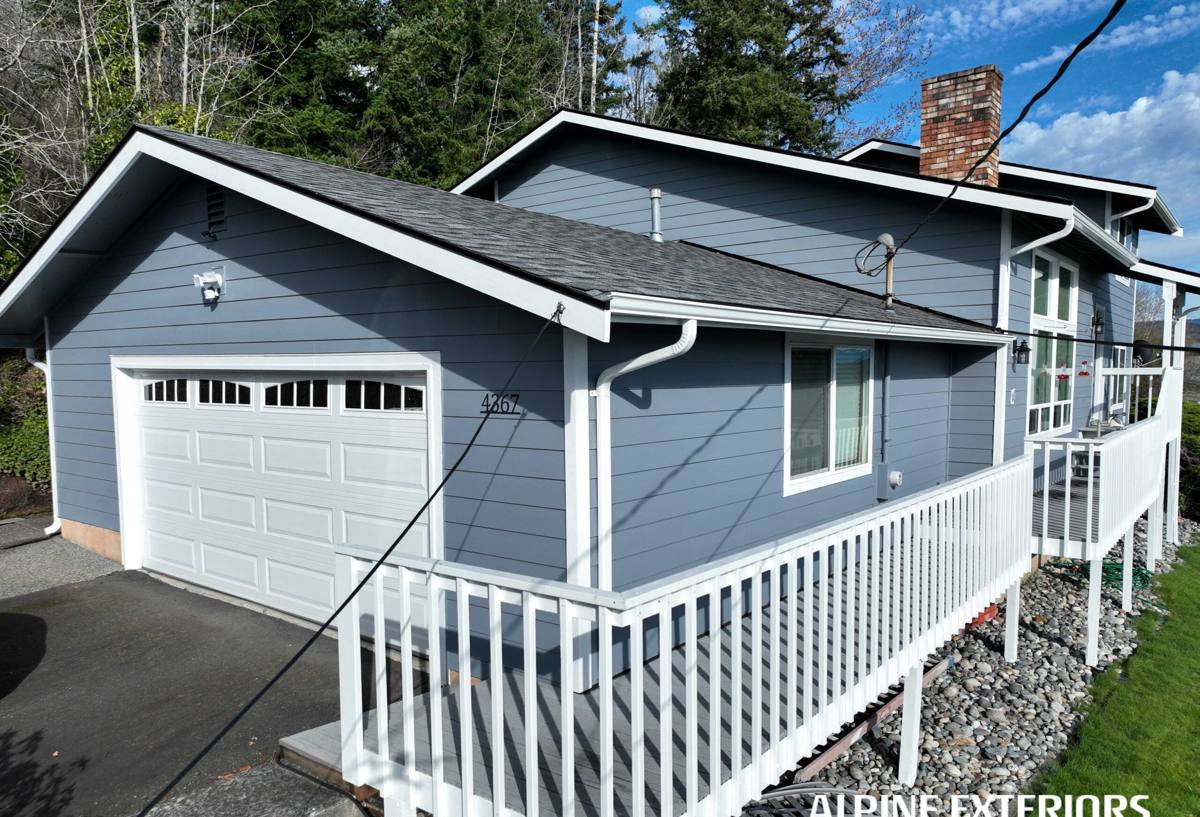
What Counts as Storm Damage (and What Doesn't Show Up Right Away)
Visible Damage
This is the damage most homeowners call about first: missing or torn shingles, exposed felt or decking, bent or lifted flashing, cracked or displaced ridge caps, and punctures or dents from wind-blown debris. It's easy to spot from the ground or in a quick walkaround, and it's usually what prompts the initial call.
Hidden Damage
What's harder to catch — and what causes the most costly problems if it's missed — is damage that doesn't announce itself right away. Wind can lift a shingle just enough to break its adhesive seal without tearing it off, leaving it vulnerable to blowing off in the next storm. Wind-driven rain can force water past intact-looking shingles at pipe boots, sidewall flashing, and valleys. Granule loss from wind abrasion thins a shingle's UV protection without any obvious sign at eye level. Left unaddressed, any of these can lead to slow leaks that show up as a stain on a ceiling weeks or months after the storm that caused them. A proper storm inspection has to check for both categories, not just the damage that's easy to see.
Our Storm Damage Repair Process for Venice Homes
Every storm call starts with stabilizing the situation, not selling a full roof job. Here's how we work through it:
- Emergency assessment and temporary mitigation. If the roof has an active leak or exposed decking, the first priority is a tarp or temporary seal to stop water intrusion while a full repair is scheduled.
- Full roof inspection and documentation. We walk the roof (when it's safe to do so) and check every plane, valley, flashing point, and penetration — not just the area that looks damaged from the ground. We photograph everything, both for our own scope of work and for any insurance claim.
- Written scope and estimate. You get a clear, itemized description of what's damaged, what needs repair versus replacement, and a straightforward cost range before any work starts.
- Insurance coordination, if applicable. If you're filing a claim, we can walk the roof with your adjuster and make sure our documentation lines up with theirs, so there's no gap between what's approved and what actually needs to be fixed.
- Repair work. We match materials as closely as possible, properly re-seal and re-flash the repaired area, and check surrounding shingles and fasteners that took wind stress even if they didn't fail outright.
- Final walk-through. We confirm the repair with you before calling the job done, and explain what we found in case it affects future maintenance.
Common Repair Types After a Storm
Not every storm-damaged roof needs the same fix. The table below covers what we run into most often on Venice storm calls.
| Damage Type | What It Looks Like | Typical Repair |
|---|---|---|
| Wind-lifted shingles | Shingles that look intact but have a broken adhesive seal | Re-seal or replace affected shingles before they blow off entirely |
| Torn or missing shingles | Bare patches of exposed underlayment or decking | Section replacement matched to existing shingle type and color where possible |
| Flashing damage | Bent, lifted, or separated flashing at valleys, walls, or chimneys | Remove and reset flashing with proper overlap and fresh sealant |
| Soffit and fascia damage | Cracked, dented, or torn soffit panels and fascia boards | Replace damaged sections and check for water intrusion behind them |
| Gutter and downspout damage | Bent sections, pulled fasteners, disconnected downspouts | Re-secure or replace damaged runs to keep water moving away from the roofline |
| Debris punctures | Small holes or dents from wind-blown branches or debris | Patch or replace the affected shingles and inspect decking underneath |
Repair or Replace? How We Make That Call
Most storm damage is repairable, but sometimes a repair isn't the right long-term answer. We weigh a few honest factors before recommending either path.
| Factor | Leans Toward Repair | Leans Toward Replacement |
|---|---|---|
| Roof age | Well within its expected service life | Already near the end of its expected lifespan |
| Extent of damage | Isolated to one section or plane | Spread across multiple areas of the roof |
| Decking condition | Solid, dry decking under the damaged area | Soft, rotted, or repeatedly water-damaged decking |
| Repair history | First significant repair on this roof | Multiple prior repairs in different areas |
| Code requirements | Repair area falls within what current code allows | Extent of damage triggers code requirements for broader work |
That last row matters more than most homeowners realize. Florida's building code sets limits on how much of a roof can be repaired before certain sections — or the whole roof — have to be brought up to current wind-resistance standards. We'll tell you plainly if your damage is likely to cross that line, rather than quoting a repair that won't pass inspection.
Materials That Hold Up to Venice's Coastal Climate
When a repair calls for new material, what we use matters as much as how it's installed. Here's how we think about the main options for this climate:
Architectural asphalt shingles rated for high wind are the most common repair material, and for good reason — they're cost-effective, widely available for color matching, and modern high-wind-rated products perform well against Gulf coast weather when installed with the correct nailing pattern and sealant.
Metal roofing holds up very well against wind uplift and has a long service life, but in a salt-air environment it's only as good as its coating and fastener quality. We're careful about fastener material and coating spec on any metal repair or replacement near the coast, since the wrong hardware can corrode well before the panels themselves show wear.
Tile roofing is durable and common in this region, but individual tiles can crack or dislodge in high wind, and repairs require matching both the tile profile and the underlayment system underneath. Tile repairs also add weight considerations that a straightforward shingle repair doesn't have.
Whatever the material, our standard is the same: use products rated for coastal wind exposure, install them to the manufacturer's specification (not a shortcut version of it), and be upfront if a material choice comes with a maintenance trade-off you should know about going in.
Insurance Claims: What Venice Homeowners Should Know
Storm damage claims move faster and more smoothly when the documentation is solid from day one. A few things that consistently help:
- Photograph visible damage as soon as it's safe to do so, before any temporary repairs change what the roof looks like.
- Get a written, itemized estimate — adjusters and insurers respond better to specifics than to a vague damage description.
- Keep records of every communication with your insurer, including dates and names.
- Be cautious of anyone who shows up unsolicited after a storm asking you to sign over your insurance claim before any inspection has happened. A legitimate local contractor will document damage and give you a written scope first.
- Understand that a claim being approved doesn't always mean the full repair cost is covered — deductibles and depreciation schedules still apply.
We're glad to walk a roof with your adjuster and provide documentation that supports your claim, but the decision to file, and how to proceed, is always yours.
Why a Local Sarasota County Crew Matters After a Storm
After a significant storm, demand for roof repair spikes across the whole region, and that's exactly when out-of-area contractors show up looking for quick work. A crew that's based in and around Sarasota County has a few practical advantages over that: we're familiar with local permitting requirements and wind mitigation standards, we're not disappearing from the area once the immediate rush of storm work slows down, and we're available for warranty follow-up if a repair needs a second look. When you're trusting someone to get on your roof after a storm, being able to verify who they are and where they'll be next month is not a small thing.
What to Do Right After a Storm — Homeowner Checklist
- Stay off the roof — storm-damaged roofing can be unstable and slippery even when it looks fine.
- Photograph visible damage from the ground before any tarping or cleanup begins.
- Address active leaks with buckets or interior protection while you wait for temporary mitigation.
- Call for a temporary tarp or seal quickly if decking or underlayment is exposed — secondary water damage adds up fast.
- Contact your insurance company and note the date and details of your report.
- Get a written repair estimate before agreeing to any work or signing paperwork.
- Confirm the contractor is licensed and has a real local presence before letting anyone on your roof.
If a recent storm left your Venice home with roof damage — visible or suspected — we're happy to take a look and give you a straightforward, no-pressure assessment of what's actually going on and what it would take to fix it right. Use the form below to request a free estimate.