 Sarasota Roofing
 Why Window Installation Is Different in Venice
Venice sits on Florida's Gulf Coast in Sarasota County, and that location shapes almost every decision that goes into a window. Homes here deal with hurricane-force wind gusts during storm season, wind-driven rain that finds its way through the smallest gap, intense year-round UV exposure that breaks down seals and finishes faster than in most of the country, and salt-laden air that corrodes hardware and pits poorly protected metal. A window that performs fine in a drier, calmer climate can fail here within a few years — not because it was a bad product, but because it was never built or installed for this environment.
Window installation for a Venice home isn't just about picking a style and setting it in the opening. It's about matching the product's wind rating and water-管理 details to the specific exposure of that wall, sealing it correctly the first time, and understanding how Sarasota County's permitting and inspection process treats window replacements. Get any one of those wrong and the homeowner ends up with leaks, fogged glass, or a window that doesn't hold up when the next storm comes through.
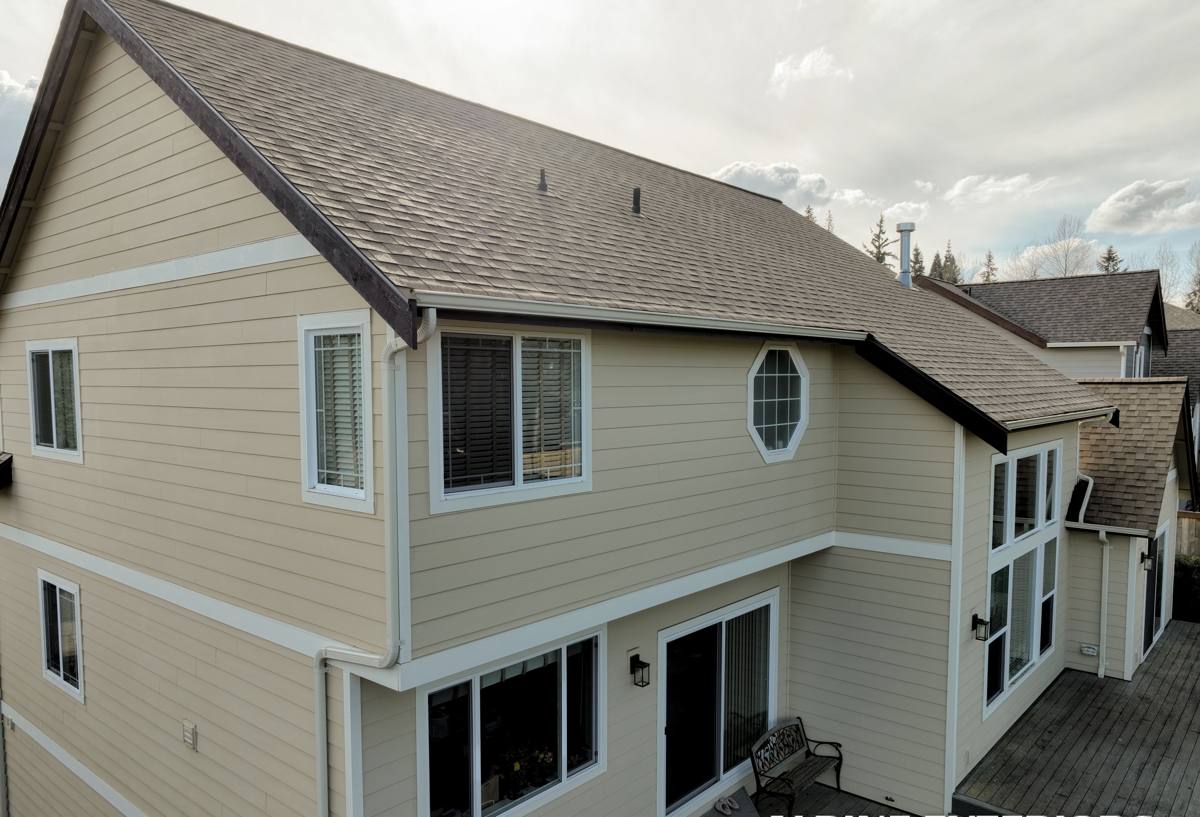
What Venice Homes Need From Their Windows
Before talking about brands or styles, it helps to understand the actual performance demands a Venice home places on its windows.
Wind and Impact Resistance
Florida's building code sets wind load and impact requirements based on location, and Sarasota County's coastal exposure means most homes fall into zones where windows need to resist both sustained wind pressure and impact from wind-borne debris. This is typically satisfied one of two ways: laminated impact-rated glass that stays intact when struck, or code-compliant shutters/protection paired with standard glass. We'll walk a homeowner through which approach fits their home, their budget, and their appetite for storm prep versus set-it-and-forget-it protection.
Water Management
Wind-driven rain doesn't fall straight down — in a real storm it's pushed sideways into the wall, and a window that isn't flashed and sealed correctly will let that water in around the frame rather than through the glass. Good water management is mostly invisible once the job is done: flashing tape, sill pans, backer rod, and sealant all working together so nothing gets a direct path to the framing behind the window.
UV and Heat Performance
Year-round Florida sun is hard on window components. Vinyl frames can warp or discolor if the compound isn't UV-stabilized, low-quality seals dry out and crack, and glass without the right coating lets in more heat than it should, driving up cooling costs. The right glass package cuts down on solar heat gain without making the home feel dark.
Corrosion Resistance
Salt air is a slow, steady problem. Hardware, screws, and hinges that aren't rated for coastal exposure will corrode years before the glass or frame shows any wear, and once hardware fails, the whole window's performance is compromised. Coastal-grade fasteners and hardware cost a little more up front and save a homeowner from a callback in three or four years.
What a Correct Installation Actually Involves
A window is only as good as its installation. The product does the work of resisting wind and water; the installation determines whether that performance is ever actually realized in the wall. A correct installation includes:
- Removing the old window and inspecting the rough opening for rot, prior water damage, or framing that's out of square before anything new goes in
- Repairing or replacing any compromised framing — installing a new window into a damaged opening just locks the problem behind a new frame
- Installing sill pan flashing so any water that does get past the outer seal drains back outside instead of into the wall cavity
- Applying flashing tape and sealant in the correct order and layering (shingle-style, so water always sheds outward and downward)
- Shimming the unit level, plumb, and square, then fastening per the manufacturer's schedule — not just a few screws wherever convenient
- Sealing the interior and exterior with the right sealant for Florida's heat and UV exposure, not a generic caulk that will crack within a season or two
- Insulating the gap between the frame and the rough opening without overpacking it, which can bow the frame and cause the window to bind
Skipping or rushing any one of these steps is how a homeowner ends up with a window that looks fine for the first year and then starts leaking, sticking, or letting in drafts.
Impact-Rated vs. Standard Windows: Sorting Out the Options
This is usually the first real decision a Venice homeowner has to make, and it affects cost, maintenance, insurance, and day-to-day convenience.
| Factor | Impact-Rated Windows | Standard Windows + Shutters |
|---|---|---|
| Storm prep required | None — glass stays protected at all times | Shutters must be installed before every storm |
| Upfront cost | Higher per window | Lower window cost, added shutter cost |
| Noise/UV reduction | Better, even on calm days | No everyday benefit from shutters |
| Insurance considerations | Often helps with wind mitigation credits | Credits usually depend on shutter type/rating |
| Curb appeal | No visible hardware or shutters | Shutters or panels visible when deployed or stored |
| Long-term maintenance | Glass and seals only | Glass, seals, plus shutter tracks and hardware |
Neither option is objectively wrong. Some homeowners prefer the everyday quiet and light control of impact glass and never want to think about storm prep again. Others are comfortable with shutters and want to put their budget elsewhere. What matters is that whichever path is chosen, the components actually meet the wind load and impact requirements for that specific home's exposure — not just "hurricane-resistant" marketing language.
Frame Material Trade-Offs
Frame material matters as much as the glass package in a coastal climate. Vinyl frames, when made with UV-stabilized compound, resist salt corrosion entirely since there's no metal to pit, and they don't conduct heat the way aluminum does. Aluminum frames are strong and slim, which some homeowners like for larger openings, but they need marine-grade coatings and hardware to hold up near the coast, and bare aluminum will oxidize over time in salt air. Wood-clad frames offer a traditional look but carry the highest moisture-management burden in a humid climate and need consistent upkeep on any exposed wood. We'll talk through which frame fits a given home's exposure, style, and maintenance appetite rather than pushing one material for every job.
Signs It's Time to Replace Rather Than Repair
Not every window problem means a full replacement, but there are signs that repair is just delaying the inevitable — and in a storm-prone area, delaying can be costly.
- Fogging or condensation between panes, which means the seal has failed and the insulating gas is gone
- Frames that feel soft, spongy, or show visible warping around the edges
- Windows that are difficult to open, close, or lock — often a sign the frame has shifted or swollen
- Visible corrosion or rust staining on hardware, tracks, or screws
- Drafts or a noticeable temperature difference near the window on a hot or windy day
- Water staining on the interior wall or sill after heavy rain
- Frames that predate current Florida wind and impact codes for the area
If a home is showing several of these signs at once, it's usually more cost-effective to replace than to keep patching individual problems as they show up.
How Our Process Works
1. On-Site Assessment
We start by walking the exterior and interior of the home, checking exposure on each elevation, looking at existing window condition, and noting anything unusual about the framing or openings. Wind and water exposure isn't the same on every wall of a house, and that affects what we recommend.
2. Product Selection
Based on that assessment and the homeowner's priorities — budget, storm prep preference, energy performance, appearance — we go over the realistic options rather than a one-size-fits-all package.
3. Permitting
Window replacement in Sarasota County typically requires a permit, and the product installed has to carry the right approval documentation for the local wind zone. We handle that process rather than leaving it to the homeowner to sort out.
4. Removal and Opening Prep
Old windows come out carefully to avoid unnecessary damage to surrounding finishes, and we inspect and repair the rough opening before anything new goes in.
5. Installation
Each window is set, shimmed, flashed, sealed, and fastened to manufacturer and code specifications — the details covered earlier in this page.
6. Final Check and Cleanup
We test operation, check for square and level, confirm seals are complete, and leave the work area clean. If a permit inspection is required, we coordinate that as part of the job, not as an afterthought.
Permits, Codes, and Insurance in Sarasota County
Florida's building code sets wind load and impact standards that vary by location and exposure, and window products carry approval documentation tied to those standards. Installing the wrong product for a given wind zone — even if it's a good window — can create problems at permit inspection and, more importantly, means the window may not actually perform the way the homeowner expects in a real storm. Insurance carriers also look closely at window type and installation documentation when calculating wind mitigation discounts, so keeping paperwork on the product and installation is worth doing even after the job is finished.
Energy Efficiency and Everyday Comfort
Storm performance tends to get the most attention, but new windows also change day-to-day comfort. Modern glass packages block a significant amount of solar heat without darkening a room, which takes pressure off air conditioning during Florida's long cooling season. Properly sealed frames also cut down on the humid outside air infiltrating the home, which matters both for comfort and for keeping indoor humidity from creeping up. Homeowners who replace old, leaky windows often notice the difference in how evenly a room holds temperature, not just on the utility bill.
Why a Crew That Already Works in Venice Matters
Window installation done right requires knowing the local wind zone requirements, the county's permitting process, and the specific ways coastal exposure wears on materials — none of which is guesswork if you've done the work here before. A crew that's already familiar with Venice and the surrounding Sarasota County area isn't relearning code requirements or product approvals on a homeowner's job. That familiarity shows up in fewer surprises during permitting, product recommendations that actually fit the home's exposure, and an installation that's built to hold up to the specific combination of wind, rain, sun, and salt air this part of the Gulf Coast sees every year.
If you're weighing repair versus replacement, comparing impact glass to shutters, or just want a straight answer on what your home actually needs, we're happy to take a look and talk through it. Reach out for a free, no-pressure estimate using the form below.