 Sarasota Roofing
 Venice Sits Right in Florida's Toughest Roofing Climate
Venice sits on the Gulf Coast in Sarasota County, split between a barrier island and a mainland laced with canals, older established neighborhoods, and newer construction pushing inland. It's a beautiful place to own a home and a demanding place to own a roof. Hurricane-force winds during storm season, sun exposure that runs nearly year-round, wind-driven rain that finds gaps a calm shower never would, and salt air rolling off the Gulf all combine to age roofing materials faster here than in most inland parts of the country.
That's not a sales pitch, it's just the local reality. Roof repair in Venice isn't about slapping a patch over a wet spot and hoping it holds through the next front. It's about figuring out why a specific roof, with its specific age, pitch, and exposure, failed where it did, and correcting that root cause so the fix actually lasts through the next hurricane season instead of just the next dry spell.
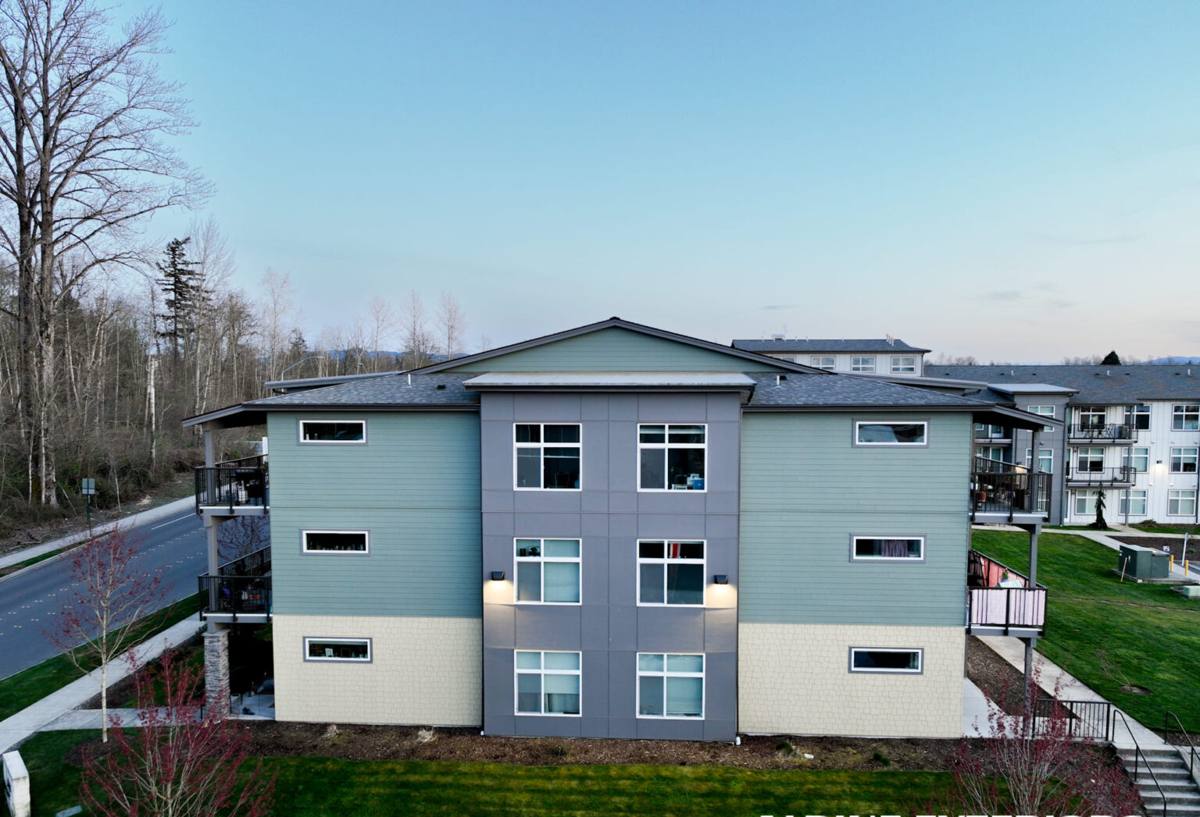
Common Roof Repair Needs We See in Venice
Wind and Storm Damage
Tropical systems and the seasonal thunderstorms that roll through the Gulf Coast put lateral pressure on roofs that most inland homes never experience. Shingles lift at the edges and eventually blow off, ridge caps loosen, and tile can slip, crack, or shatter under wind-driven debris. Even when a roof survives a storm intact-looking from the ground, wind can break the seal on individual shingles or shift tile just enough to open a path for water without any visible gap.
UV and Sun Damage
Florida's sun is relentless, and it doesn't take a hurricane to damage a roof. Constant UV exposure dries out asphalt shingles, making them brittle and prone to cracking years before they'd otherwise need attention. It also breaks down the rubber pipe boots and sealants around vents and penetrations, which are usually the first things to fail on an otherwise healthy roof. Tile roofs handle UV better on the surface, but the underlayment beneath the tile still degrades on the same accelerated timeline.
Salt Air Corrosion
Venice's proximity to the Gulf means salt-laden air travels further inland than people expect, especially on the barrier island and the neighborhoods closest to the water. Salt accelerates corrosion on exposed fasteners, flashing, and any metal roofing components. A nail or flashing seam that would hold up for decades inland can start rusting and losing its seal in a fraction of that time here.
Wind-Driven Rain Intrusion
Most Venice roof leaks aren't from rain falling straight down, they're from rain being driven sideways and upward under wind pressure. That means water finds its way in through valleys, around chimneys and skylights, under ridge caps, and at wall-to-roof transitions that would stay dry in a calm rain. A repair that doesn't account for wind-driven intrusion often looks successful until the next windy storm proves otherwise.
What a Correct Roof Repair Actually Involves
A roof repair that holds up in this climate starts with diagnosing the actual source of the problem, not just the spot where water showed up inside the house. Water can travel along rafters, decking, or underlayment before it drips through a ceiling, so the stain you see indoors is often several feet from where the water is actually entering the roof system. Chasing the visible symptom instead of the real entry point is the most common reason a "repaired" roof leaks again in the next storm.
Once the source is identified, a correct repair typically involves removing the damaged materials down to sound decking, replacing any compromised underlayment (not just the top layer), and re-flashing the area with materials that match the existing roof's age and profile so the repair doesn't create a new weak point at the seam. On tile roofs, that means matching or sourcing compatible tile rather than leaving a mismatched patch that telegraphs where the repair happened and can behave differently under wind load. On shingle roofs, it means tying the new shingles into the existing courses properly rather than face-nailing a patch on top.
Any repair that touches structural sheathing, flashing at a wall or chimney, or a significant portion of the roof surface should be done to current Florida Building Code standards and, where required, permitted through Sarasota County. Skipping that step might save a little time up front, but it can create problems at resale or with insurance claims down the road.
Repair or Replace? The Factors That Actually Matter
Not every roof problem in Venice calls for a full replacement, and not every leak can be permanently solved with a patch. The right call depends on the roof's age, how widespread the damage is, and what's happening underneath the surface layer. Here's how we walk homeowners through that decision:
| Factor | Leans Toward Repair | Leans Toward Replacement |
|---|---|---|
| Roof age | Well within its expected service life | Near or past the material's typical lifespan |
| Extent of damage | Isolated to one area (a valley, a penetration, a section of storm damage) | Spread across multiple areas or the whole roof surface |
| Underlayment condition | Still intact and pliable beneath the surface layer | Brittle, torn, or failing in multiple spots |
| Decking condition | Solid, no soft spots or rot | Soft, delaminated, or water-stained decking found during inspection |
| Typical cost range | Often a few hundred to a couple thousand dollars depending on scope | A larger investment, but resets the clock on the whole roof system |
We'll always tell you honestly when a repair makes sense and when it doesn't. There's no benefit to us in patching a roof that's going to need replacing within a year or two, and there's no benefit to you in replacing a roof that a proper repair can carry for another decade.
Our Process for a Venice Roof Repair Call
- Inspection: We get on the roof (weather permitting) and in the attic when possible, tracing the actual water path rather than just looking at where the ceiling stain appears.
- Diagnosis and explanation: Before any work starts, we walk you through what we found, what caused it, and what it will take to fix it correctly.
- Written scope and pricing: You get a clear description of the repair, the materials involved, and the cost, so there are no surprises once work begins.
- Permitting when required: For repairs that fall under Sarasota County permitting requirements, we handle that process rather than skipping it.
- The repair itself: Damaged materials come out, decking and underlayment get replaced as needed, and flashing and surface materials are tied in to match the existing roof.
- Cleanup and check: We clear debris and fasteners from the property, and we check our own work before calling the job done.
Signs Your Venice Roof Needs Repair Now
Some roof problems are obvious. Others sit quietly for a season or two before they turn into a bigger repair. Worth checking after any named storm or heavy wind event, or just once a year as routine maintenance:
- Missing, cracked, or curling shingles, especially near roof edges and ridges
- Cracked, slipped, or displaced roof tiles
- Soft or discolored spots on ceilings or upper interior walls
- Granules from asphalt shingles collecting in gutters or downspouts
- Visible daylight or gaps around chimneys, skylights, or roof vents
- Rusted or lifted flashing around penetrations and wall transitions
- Sagging sections of roofline or soft spots underfoot in the attic
- A noticeable increase in attic heat or humidity, which can point to a ventilation or moisture issue tied to roof condition
Why Hiring a Crew That Already Works Venice Matters
Roofing rules and expectations aren't identical from one Florida county to the next, and permitting, inspection, and code requirements in Sarasota County are things a crew that works here regularly already knows cold. That familiarity saves time and avoids the back-and-forth that comes from a contractor learning local requirements on your job.
There's also a practical side to being local: after a significant storm, every roofing crew in the region gets flooded with calls at once, and homeowners who've worked with an established local contractor tend to get seen faster than those starting from scratch with an unfamiliar name. A crew that already knows Venice's mix of barrier island homes, canal-front properties, and inland subdivisions can also spot the difference between a repair that will hold and one that's likely to need revisiting, because they've already seen how roofs in this specific area age and fail.
The Materials and Workmanship Standards We Hold To
We repair both asphalt shingle and tile roofs, and we're upfront about the trade-offs of each rather than pushing one system as universally better. Shingle roofs are generally more straightforward and often more economical to repair, but they carry a shorter service life in intense UV exposure. Tile roofs handle sun and wind well on the surface and can last considerably longer, but the underlayment beneath the tile still needs attention on its own timeline, and repairs require matching tile profiles carefully so the roof performs as one system rather than a patchwork of parts.
Whatever the roofing material, we hold to a few non-negotiables: no covering over wet or compromised decking, no reusing degraded flashing just because it's still technically attached, and no mixing incompatible materials just to save a trip back to the supplier. Those shortcuts are exactly what turns a small, affordable repair into a bigger problem the following storm season, and it's not the standard we work to.
If you're dealing with a leak, storm damage, or you just want an honest read on your roof's condition before the next storm season, we're happy to take a look. Use the form below to request a free, no-pressure estimate for your Venice roof repair.