 Sarasota Roofing
 Why Venice Siding Wears Out Differently Than Inland Homes
Venice sits close enough to the Gulf that salt-laden air is a daily fact of life for exterior surfaces, not an occasional nuisance. Add in Sarasota County's intense year-round UV load, wind-driven rain that gets pushed sideways into wall assemblies during storms, and the periodic hurricane-force wind events every Gulf Coast homeowner plans around, and you have a combination that ages siding faster here than it would in a drier, calmer climate. Siding on a Venice home isn't just a cosmetic layer — it's the first line of defense against moisture intrusion, and it takes a beating from multiple directions at once.
That's why "what worked up north" or "what's cheapest at the box store" often doesn't hold up on this stretch of coast. The right siding replacement decision for a Venice property starts with being honest about what the local climate actually does to exterior materials over ten, twenty, and thirty years — not just what looks good on installation day.
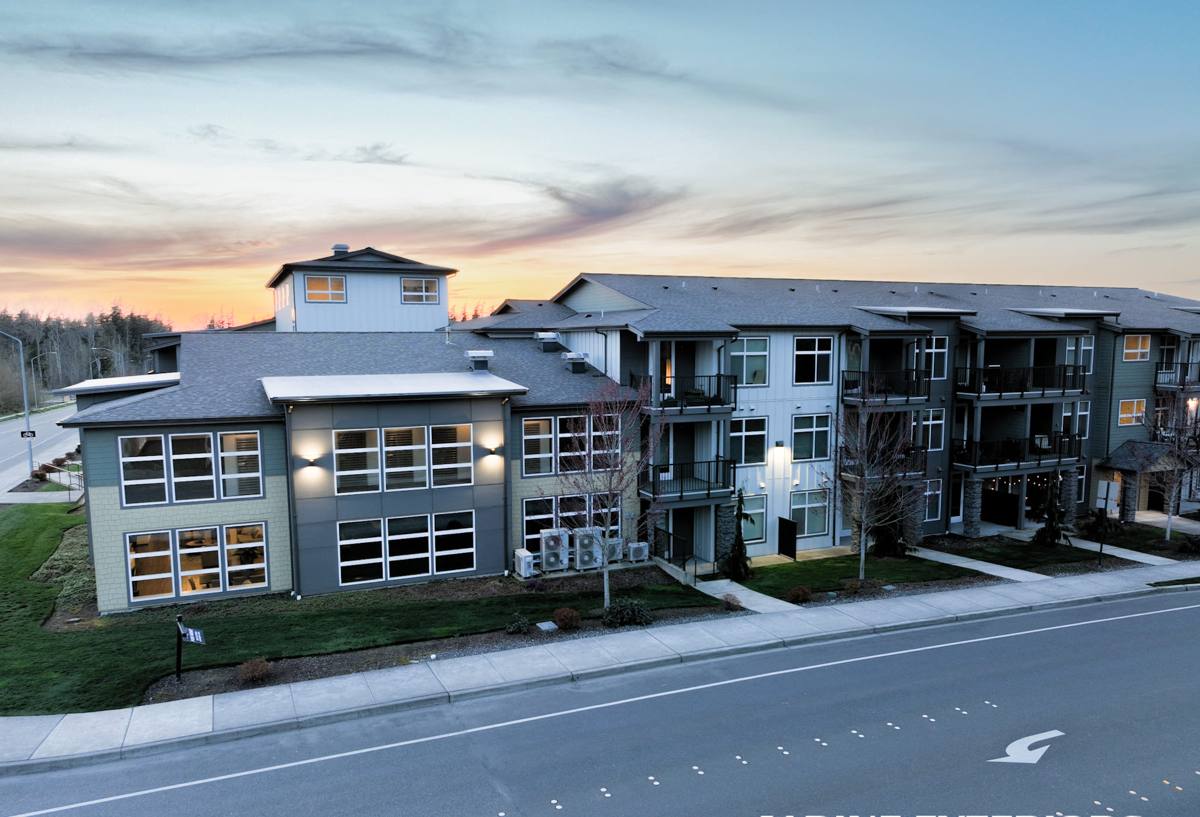
What Salt Air, UV, and Wind-Driven Rain Actually Do to Siding
Salt Air
Airborne salt is corrosive and hygroscopic — it draws moisture to surfaces and holds it there. On siding, that means accelerated finish breakdown, faster fastener corrosion if the wrong hardware is used, and a steady chalky or dulled appearance on materials that aren't engineered to resist it.
UV Exposure
Sarasota County gets sun exposure most of the year. Constant UV breaks down pigments and surface coatings, which is why paint on lower-grade siding fades unevenly and needs repainting far sooner here than in milder climates.
Wind-Driven Rain
During tropical storms and hurricanes, rain doesn't just fall — it's driven horizontally into wall surfaces and can work its way behind poorly lapped or poorly fastened siding. Once moisture gets behind the siding layer, the real damage happens out of sight, in the sheathing and framing.
Wind Load
Venice is built to Florida's high-velocity wind code requirements. Siding that isn't fastened, lapped, and rated for the wind pressures this area sees can lift, crack, or separate at the edges during a storm — exactly when a home needs its exterior intact the most.
What a Correct Siding Replacement Actually Involves
Siding replacement done right is not a cosmetic swap. It's a full reset of the wall's weather-resistant assembly, and every layer matters:
- Full tear-off of the old siding down to the sheathing, not installation over existing material
- Inspection of the sheathing for water damage, soft spots, or rot before anything new goes up
- Repair or replacement of any compromised sheathing sections
- Installation of a code-compliant weather-resistive barrier
- Correct flashing at every window, door, and penetration — this is where most water intrusion actually starts
- Fastening pattern and fastener type matched to the product manufacturer's specification and local wind requirements
- Proper clearance from grade, roofing, and other trim to prevent moisture wicking
- Finish work — trim, caulking, and touch-up — done to the same standard as the field siding
Skipping any one of these steps is how a siding job looks fine for a year or two and then fails early — usually in ways that are expensive to trace back and repair once the damage is behind the wall.
Why We Install Only James Hardie Fiber Cement
We made the decision to install James Hardie fiber cement siding exclusively, and we stand behind it, particularly for a coastal market like Venice. Fiber cement is non-combustible, dimensionally stable, and doesn't swell, rot, or attract wood-destroying insects the way some other siding substrates can over time. James Hardie's climate-engineered HZ product lines are formulated with regions like ours in mind — heat, humidity, and storm exposure — rather than being a one-size-fits-all product.
The ColorPlus factory finish is also a meaningful difference in a high-UV market. Because the color is baked on in a controlled factory process rather than applied on-site, it holds up to sun exposure and salt air better than field-applied paint, and it comes backed by its own finish warranty separate from the product warranty. For a homeowner in Venice, that combination — a substrate built for storm and moisture exposure, plus a finish built for sun and salt — is why we don't offer alternatives.
How Common Siding Choices Hold Up in a Gulf Coast Climate
| Factor | Vinyl Siding | Untreated Wood / Engineered Wood Siding | James Hardie Fiber Cement |
|---|---|---|---|
| Salt air resistance | Can become brittle and discolored over time | Vulnerable to moisture absorption and rot if any coating fails | Engineered to resist moisture and coastal exposure |
| UV / fade resistance | Moderate; darker colors fade faster in constant sun | Depends entirely on paint maintenance schedule | Factory ColorPlus finish holds color longer |
| High-wind performance | Can crack or blow off in severe wind if not rated correctly | Performance varies widely by product and installation | Installed to wind-rated fastening specifications |
| Fire resistance | Combustible | Combustible | Non-combustible |
| Ongoing maintenance | Low, but limited repair options once damaged | Regular repainting and moisture inspection required | Minimal; occasional recaulking and inspection |
No siding material is maintenance-free, and every option has trade-offs. Our decision to standardize on James Hardie is about the specific combination of coastal durability, wind performance, and long-term appearance that a Venice home needs — not about any single feature in isolation.
Signs a Venice Home Needs Siding Replacement
Siding damage is often more visible from certain warning signs than from a single obvious failure. Homeowners in this area should watch for:
- Visible cracking, buckling, or warping along the siding panels
- Soft spots or give when pressed near the bottom edges or seams
- Paint that's peeling, bubbling, or fading unevenly despite recent painting
- Staining or streaking that suggests water is running behind the siding rather than off it
- Rising energy bills that may point to a compromised weather barrier behind the siding
- Visible gaps or separation at corners, window trim, or where siding meets the roofline
- A musty smell near exterior walls, which can indicate trapped moisture
Any one of these on its own isn't necessarily an emergency, but a combination of two or more is a reasonable signal to have the siding evaluated before the next storm season rather than after.
Our Siding Replacement Process
We walk every Venice project through the same sequence, because skipping steps is where problems start:
- On-site evaluation — we assess the current siding, look for signs of moisture intrusion, and check the condition of trim, flashing, and sheathing where visible.
- Written scope and product selection — we walk through the applicable James Hardie product line, profile, and color options for the home.
- Permitting — siding replacement in this area typically requires a permit, and we handle that as part of the job, not as an afterthought.
- Tear-off and sheathing inspection — old siding comes off completely so the wall can actually be evaluated, not covered over.
- Repairs and weather barrier installation — any damaged sheathing gets addressed before the new weather-resistive barrier goes on.
- Flashing and installation — installed to the manufacturer's fastening specification and Florida's wind-load requirements.
- Final trim and inspection — including a walk-through so the homeowner sees the finished work before we consider the job complete.
What Drives Siding Replacement Cost in Venice
| Cost Factor | Why It Matters Here |
|---|---|
| Extent of sheathing damage found at tear-off | Homes with prior moisture intrusion often need sheathing repair before new siding goes on |
| Home size and wall complexity | More corners, gables, and trim details mean more labor and material |
| Siding profile chosen | Lap, shingle, and panel profiles vary in material and installation cost |
| Trim and accessory scope | Fascia, soffit, and trim work bundled into the project affects total cost |
| Permitting and code requirements | Wind-load fastening requirements affect labor time, not just material |
We provide a written, itemized estimate before any work begins so a homeowner knows exactly what's driving the number — not a vague lump sum.
Why It Matters That We Already Work in Venice
A crew that regularly works Venice and the greater Sarasota County area already understands the local wind-load requirements, permitting process, and the specific ways coastal exposure shows up on a house — as opposed to a crew learning those details for the first time on your project. That familiarity shows up in the details: correct fastening schedules, flashing details that account for wind-driven rain, and material choices that are actually suited to salt air rather than generic recommendations. For a homeowner, that experience translates into fewer surprises during the job and a better outcome once storm season arrives.
Caring for James Hardie Siding After Installation
One of the practical benefits of switching to fiber cement is how little ongoing maintenance it demands compared to painted wood-based products. A yearly rinse to clear off salt residue and organic buildup, periodic inspection of caulking at trim and penetrations, and prompt attention to any impact damage are really the extent of it. There's no repainting cycle to manage the way there is with field-painted siding, since the ColorPlus finish is factory-applied and warrantied separately from routine maintenance.
If your Venice home's siding is showing its age or you're planning ahead of the next storm season, we're happy to take a look and walk you through what we find. Use the form below to request a free, no-pressure estimate.