 Sarasota Roofing
 New Roof Installation for Venice Homes
Venice sits on the Gulf side of Sarasota County, which means every roof here answers to the same set of demands: hurricane-force wind gusts during storm season, wind-driven rain that finds every gap a roof gives it, intense UV exposure nearly every day of the year, and salt-laden air moving in off the water. A roof that isn't built with all four of those in mind will show it early — through granule loss, fastener backout, soffit and fascia rot, or a leak that shows up two rooms away from where the water actually got in.
A full roof replacement is one of the biggest single investments a homeowner makes in a house, and it's also one of the few home improvements that has a direct, measurable effect on how well the rest of the house holds up in a storm. This page covers what a correct new roof installation looks like specifically for Venice properties, what our process involves, and what to actually look for when you're deciding who does the work.
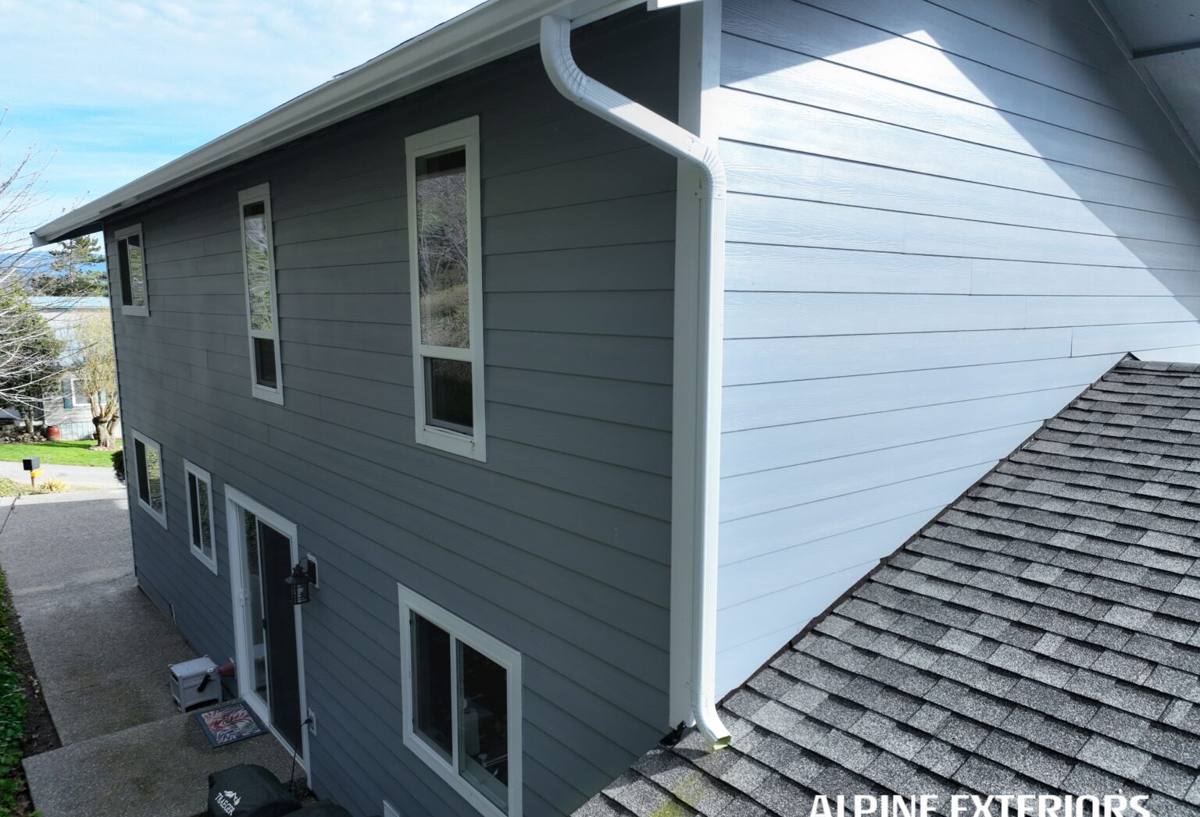
What Venice's Climate Actually Does to a Roof
Wind and Uplift
Venice and the surrounding Sarasota County coastline see tropical storm and hurricane-strength wind events on a recurring basis. Wind doesn't just push on a roof — it creates uplift at the edges, corners, and ridge that can peel shingles or panels away if the fastening pattern, underlayment, and edge metal aren't installed to current wind-rated standards. This is the single biggest factor separating a roof that survives a storm from one that doesn't, and it's determined almost entirely by installation details you can't see once the job is finished.
Wind-Driven Rain
Rain that's being pushed sideways at 40, 60, or 90 mph behaves differently than rain falling straight down. It can work its way under shingle tabs, through nail penetrations, and around flashing that would be perfectly fine in a calm rainstorm. That's why underlayment selection and flashing detail matter more here than in drier, calmer climates.
UV and Heat
Florida sun breaks down roofing materials from the top down — UV degrades asphalt binders, dries out sealants, and accelerates the aging of anything not rated for sustained high-heat exposure. A roof spec'd for a northern climate will simply wear out faster here.
Salt Air
Venice's proximity to the Gulf means airborne salt reaches roofs, fasteners, and metal flashing even at properties that aren't directly on the water. Salt accelerates corrosion in exposed metal components — nails, flashing, vents, and drip edge — which is why fastener and flashing material choice is a real decision here, not an afterthought.
Signs a Venice Home Needs a New Roof, Not a Repair
- Shingles that are cupping, curling, or losing granules across large sections rather than one isolated spot
- Multiple past repairs in different areas of the roof within a few years
- Visible sagging in the roof deck when viewed from the ground or attic
- Daylight visible through the roof deck from inside the attic
- Soft spots underfoot during inspection, indicating deck rot
- A roof approaching or past the manufacturer's expected service life for our climate
- Rising insurance premiums or non-renewal notices tied to roof age or condition
- Recurring leaks after storms even after spot repairs
Age alone isn't always the deciding factor — condition is. We'll tell you honestly if a repair will hold, and we'll tell you honestly if it won't.
What a Correct Installation Includes
A new roof is more than laying material over what's there. Every layer does a job, and skipping or cutting a corner on any one of them is where most premature failures start.
Tear-Off and Deck Inspection
We remove the existing roofing down to the deck. This is the only way to actually assess the condition of the wood underneath — rot, delamination, and soft spots are common in older Florida homes and can't be evaluated accurately from on top of existing shingles. Any damaged decking gets replaced before anything new goes down.
Underlayment
Given the wind-driven rain Venice sees, underlayment is a functional line of defense, not a formality. We use synthetic or self-adhering underlayment products matched to the roof pitch and material, with attention to how they're lapped and sealed at seams.
Flashing and Edge Details
Valleys, chimneys, skylights, and roof-to-wall transitions are where the majority of leaks originate — not the open field of the roof. Correct flashing detail, and using metal that can handle salt air exposure, is where experience shows.
Fastening for Wind Rating
The number, placement, and type of fasteners used directly determine the roof's actual wind performance, regardless of what the material is rated for on paper. We install to the fastening pattern the material and local code require for our wind zone.
Ventilation
Proper attic ventilation extends the life of the roof from underneath by managing heat and moisture buildup. It's frequently overlooked on replacement jobs because it doesn't show from the ground.
Roofing Material Options for Venice Properties
There's no single "best" material for every Venice home — the right choice depends on your roof's pitch, your home's structure, your budget, and how long you want to go before the next replacement. Here's an honest comparison of the main options we install:
| Material | Typical Lifespan (this climate) | Wind Performance | Maintenance |
|---|---|---|---|
| Architectural asphalt shingle | 15-25 years | Good, when installed to a high wind rating and properly fastened | Low; periodic inspection recommended after storms |
| Metal (standing seam or panel) | 30-50 years | Excellent when properly fastened and flashed | Low; watch fastener condition near coastal salt exposure |
| Concrete or clay tile | 30-50 years | Very good; individual tile attachment matters | Moderate; underlayment beneath tile has a shorter life than the tile itself |
| Flat/low-slope membrane (TPO, modified bitumen) | 15-25 years | Good when seams and edges are properly sealed | Low to moderate; periodic seam inspection |
We'll walk through which option fits your specific roof structure and budget honestly — including the real maintenance trade-offs, not just the upfront cost.
What Drives the Cost of a New Roof in Venice
Every roof is different, so we don't quote sight-unseen. Broadly, the cost of a replacement depends on:
- Total roof square footage and the number of planes, valleys, and penetrations
- Roof pitch and accessibility
- Material selected
- Condition of the existing deck and how much replacement wood is needed
- Removal and disposal of the old roofing material
- Any structural or ventilation upgrades needed
- Permitting requirements for Sarasota County
A straightforward asphalt shingle replacement on a simple roof plane generally runs at the lower end of the market; metal, tile, and complex roof geometries run higher. We'll give you a real number after an in-person inspection, not a phone estimate.
Our Process, Start to Finish
1. Inspection and Honest Assessment
We inspect the roof, deck, ventilation, and flashing in person and tell you plainly whether you need a full replacement or whether a repair will genuinely hold.
2. Written Estimate
You get a clear, itemized estimate covering material, labor, tear-off, and any deck repair contingencies — no vague lump sums.
3. Permitting
We handle the permitting process required by Sarasota County for the jurisdiction Venice falls under, so the work is documented and inspected properly.
4. Tear-Off and Deck Repair
Old material comes off, the deck gets inspected, and any compromised wood is replaced before new material goes down.
5. Installation
Underlayment, flashing, and roofing material go in to the fastening and wind-rating specifications appropriate for our zone.
6. Final Inspection and Cleanup
We walk the finished roof, confirm it passes any required inspection, and make sure the property is cleared of debris and nails before we consider the job done.
Why It Matters to Hire a Crew That Already Works in Venice
Roofing code requirements, permitting processes, and wind zone standards vary by jurisdiction, and Sarasota County has its own specifics. A crew that regularly works in and around Venice already knows the permitting process, understands how local wind and rain patterns actually stress a roof over time, and isn't learning coastal installation details on your project. That familiarity shows up in fewer surprises during the job and a roof that's built for the conditions it will actually face, not generic conditions.
It also matters for accountability. A contractor with an ongoing presence in the area has a reputation to maintain with neighbors, HOAs, and repeat customers — that's a real incentive to do the job right the first time.
Questions to Ask Any Roofing Contractor Before You Hire
- Are you licensed and insured to do roofing work in Florida, and can you provide proof?
- Will you pull the required permit, or is that left to me?
- What underlayment and fastening pattern will you use, and why for this specific roof?
- What's the manufacturer's wind rating for the material and installation method you're proposing?
- What does your workmanship warranty cover, separate from the material warranty?
- Will you inspect and repair the deck as part of the job, or only if I ask?
If your Venice home is due for a new roof, or you're just not sure whether what you have will hold up through another storm season, we're happy to come take an honest look. Fill out the form below for a free, no-pressure estimate — we'll tell you what we actually see, not just what sells a job.