 Sarasota Roofing
 Building New in Bradenton? The Windows Have to Earn Their Keep
Bradenton, just across the Manatee County line north of Sarasota, has seen a steady wave of new subdivisions, infill custom homes, and builder spec houses over the past several years. Every one of those homes eventually needs windows set into rough openings — and on this stretch of the Gulf Coast, that's not a job to treat casually. Between hurricane-force wind events, wind-driven rain that finds any gap in the flashing, intense year-round UV, and salt-laden air working on hardware and frames, a window package that would be perfectly fine in a drier, calmer climate can fail here in a few short years. New-construction windows are your one real shot to get the opening built correctly before stucco or siding closes it up for good.
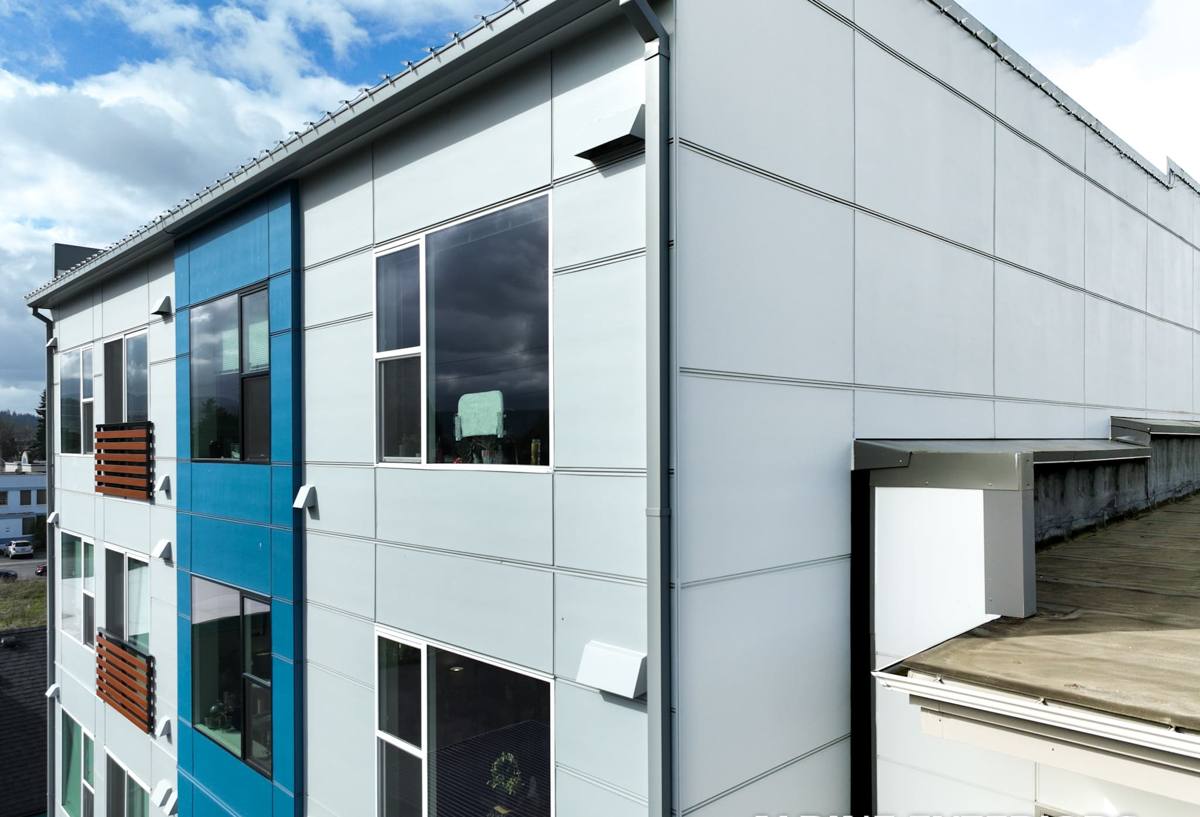
What "New-Construction" Windows Actually Means
There's an important difference between new-construction windows and replacement (insert) windows, and it matters for how the job gets done. New-construction windows have a nailing fin around the perimeter of the frame. That fin gets fastened directly to the wall sheathing before the house wrap, flashing, and exterior finish go on. Replacement windows, by contrast, are built to slide into an existing finished opening without disturbing the surrounding wall — useful for renovations, but not the right approach for a home that's still open stud and sheathing.
Why the Distinction Matters
Because the fin gets integrated directly into the building's water management system — the house wrap, the flashing tape, the sill pan — new-construction windows are only as good as the sequence they're installed in. Get the order wrong, and you can end up with a window that looks fine on move-in day but is feeding water into the wall cavity behind the stucco. On a new build, this is the only time that assembly is fully accessible. Once the exterior finish is on, correcting a flashing mistake means cutting back into finished work.
What Bradenton's Climate Actually Demands
- Wind pressure resistance — the window's structural rating has to match the design pressures called out in the plans, which are driven by wind exposure and building height.
- Wind-borne debris protection — impact-rated glazing or approved shutter protection at qualifying openings, per the Florida Building Code's wind-borne debris region requirements for this part of the state.
- UV stability — frames, seals, and glass coatings that hold up to sun exposure without chalking, yellowing, or breaking down early.
- Moisture management — flashing and sealant details that shed wind-driven rain rather than trap it against the wall assembly.
- Corrosion resistance — hardware, fasteners, and frame finishes that can take salt air without pitting or seizing.
Wind Load and Impact Requirements
Manatee and Sarasota counties fall within Florida's wind-borne debris region, which means qualifying openings need either impact-rated glazing or code-approved shutter protection — it's not optional, and it's checked during the plan review and permitting process. The specific design pressure a window needs to meet depends on the home's exposure category, height, and location on the structure, which is why the same "impact window" spec on two different homes can carry two different ratings. We work from the project's engineering and product approval documentation rather than assuming one spec fits every opening.
Sun and Heat
Florida sun is hard on window components year-round, not just in summer. Low-E coatings and the right glass package cut down on solar heat gain and UV transmission, which helps with both comfort and the long-term condition of flooring, cabinetry, and furnishings near the glass. It also has a real effect on cooling costs, since large window areas are one of the biggest heat-gain paths in a new home.
Salt Air and Coastal Corrosion
Being close to the coast means airborne salt is a constant, low-grade stressor on anything metal — hinges, cranks, locking hardware, and fastener heads included. Frame material and hardware finish both play into how well a window resists that over time, which is a bigger consideration here than it would be for the same home built further inland.
What a Correct Installation Actually Involves
- Verify the rough opening is square, plumb, and sized correctly before the window ever gets set.
- Install a sloped sill pan so any water that gets past the window has somewhere to go besides the wall cavity.
- Apply flashing tape in the correct shingle-lap sequence — sill, then jambs, then head — so water is always directed outward and down, never into a seam.
- Integrate the flashing with the house wrap or building paper correctly, not just taped over the top of it.
- Set the window and fasten the nailing fin per the manufacturer's schedule — spacing and fastener type both matter for the wind rating to actually apply.
- Seal the interior air barrier separately from the exterior water barrier, and leave the weep path at the sill clear.
- Finish with a proper exterior sealant joint, sized and tooled correctly rather than just caulked over.
Mistakes We See on New Builds
The most common problems aren't exotic — they're sequencing errors. Windows set before the sill pan is in place. Flashing tape run in the wrong lap order so it channels water inward instead of out. Weep holes sealed shut by an over-eager bead of caulk. Fastener spacing that doesn't match what the product approval actually requires, which technically voids the rating even if the window itself is a good one. None of these show up as a problem on day one — they show up two or three years later as a stain on the drywall below the window.
Frame Material and Glass Package Choices
| Frame Material | Coastal Durability | Maintenance | Typical Cost Tier |
|---|---|---|---|
| Vinyl | Good — won't corrode, some UV-driven expansion/contraction over time | Low | Entry to mid |
| Aluminum | Strong structurally, but needs a quality coastal-grade finish to resist corrosion | Low to moderate | Mid |
| Fiberglass / composite | Very good — stable in heat and salt air, minimal expansion | Low | Mid to upper |
Glass packages matter as much as the frame. Impact-rated laminated glass provides the wind-borne debris protection and stays intact if struck, while Low-E coatings and tinted options manage heat and UV. On a new build we walk through which combination fits the home's exposure, orientation, and budget rather than defaulting to one package across every elevation.
Cost Factors for New-Construction Windows
| Factor | Why It Moves the Price |
|---|---|
| Number and size of openings | More glass area and larger units mean more material and labor |
| Impact-rated glass vs. standard + shutters | Impact glass costs more up front but removes the need for separate storm protection |
| Frame material | Vinyl, aluminum, and fiberglass carry different material and hardware costs |
| Glass package | Low-E coatings and tint add cost but reduce long-term energy loss |
| Site and access conditions | Multi-story openings or tight scheduling around other trades affect labor time |
| Permitting and engineering | Product approval documentation and inspection coordination are part of the job on new construction |
How Our Process Works
- Plan review — we look at the window schedule, elevations, and any structural or wind-load engineering before quoting anything.
- Product selection — we match frame material and glass package to each elevation's sun and wind exposure, not a one-size spec.
- Schedule coordination — we work with the builder or GC's timeline so windows go in at the right point in the build sequence, before exterior finishes close up the opening.
- Rough opening verification — we confirm openings are ready before install day, catching framing issues while they're still cheap to fix.
- Installation — sill pan, flashing, fastening, and sealant done in the correct sequence, every opening, every time.
- Inspection coordination — we're available for the rough-in and final inspections tied to the permit.
- Final walkthrough — we go over operation, hardware, and warranty paperwork with the owner or builder before we consider the job done.
Why a Crew That Already Works Bradenton Matters
Windows on new construction sit at the intersection of several trades — framing, house wrap, stucco or siding, and the window install itself all have to line up. A crew that regularly works Bradenton and the surrounding Manatee and Sarasota county area already knows the local building department's inspection expectations, understands how the wind-borne debris and design pressure requirements get applied here, and is used to coordinating with the builders and subcontractors active in this market. That familiarity shows up in fewer surprises during inspection and fewer callbacks after move-in. It also means when a warranty question comes up two or three years down the road, you're calling a crew that's still working in your neighborhood — not chasing down an outfit that did one job here and moved on.
A Practical Checklist for Homeowners and Builders
- Confirm the design pressure rating specified on the window schedule matches the home's actual wind exposure requirements.
- Verify whether openings are meeting the wind-borne debris requirement through impact glass or approved shutter protection — and which is planned for which opening.
- Ask what sill pan and flashing tape system will be used, and in what order it goes on.
- Check that fastener type and spacing will follow the manufacturer's product approval documentation, not just "whatever's on hand."
- Confirm weep holes and drainage paths will be left clear after sealant work is finished.
- Get a straight answer on frame material trade-offs for salt air exposure before committing to a product line.
- Make sure the installer is coordinating timing with the stucco or siding crew, not working around them after the fact.
Let's Talk About Your Windows
If you're building new in Bradenton or working with a builder who needs a window crew that understands this coastal climate, we're glad to walk through the plans with you. Reach out for a free, no-pressure estimate — the form below gets you started.