 Sarasota Roofing
 Building a Deck That Holds Up in Bradenton
A deck in Bradenton has to do more than look good on a Saturday afternoon. It has to survive a Gulf Coast summer, shrug off wind-driven rain, and keep standing after a hurricane season that can bring sustained high winds and days of saturated ground. Homeowners here want the same thing homeowners everywhere want — a place to grill, sit outside in the evening, and add usable living space to the house. The difference is that a deck built to a generic, one-size-fits-all spec sheet will not last as long here as it would in a drier, calmer climate. Building one correctly for this area means paying attention to details that don't matter nearly as much somewhere inland.
This page covers what actually goes into a deck built for Bradenton and the surrounding Sarasota-Manatee area: how the climate affects material choice and construction, what a properly built deck involves from the ground up, and how our process works when you hire us for the job.
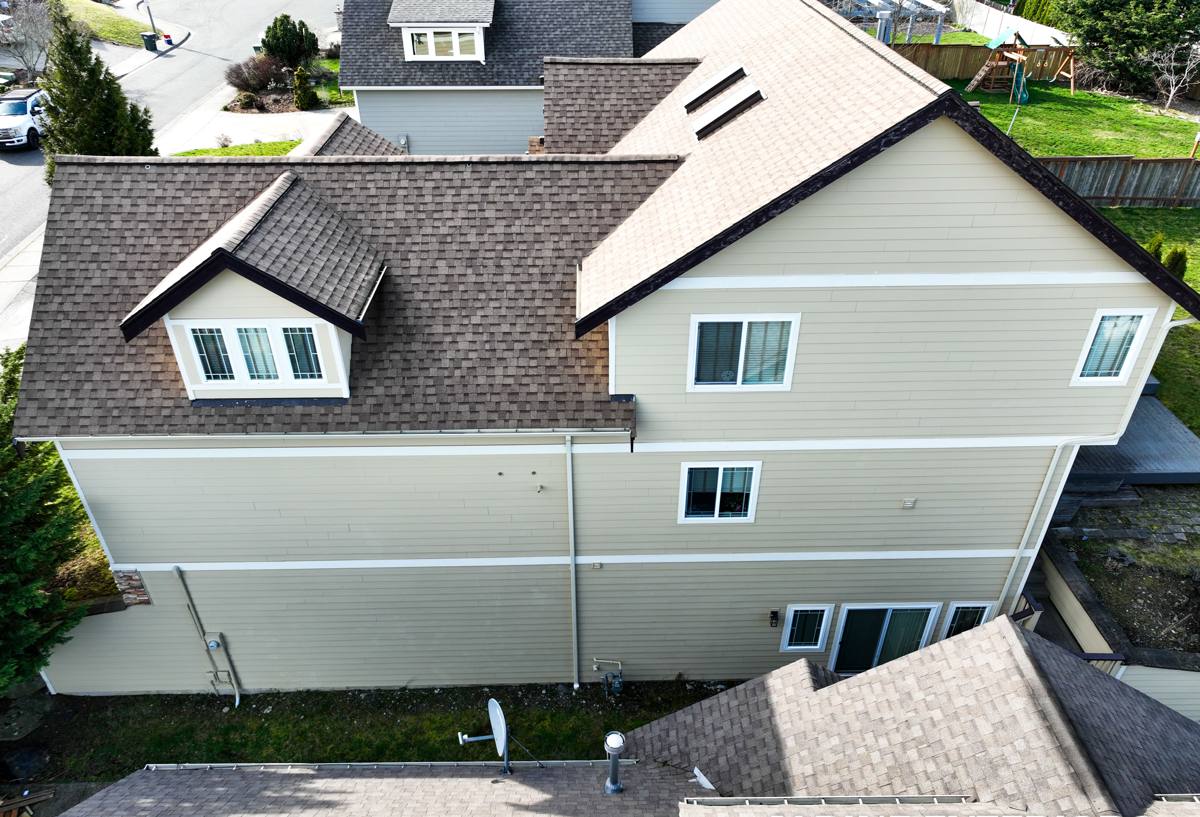
What Local Weather Does to a Deck
Sun and Heat Cycles
Florida sun is relentless on exposed decking, year-round rather than seasonal. UV exposure breaks down the surface fibers of wood over time, causing graying, splintering, and checking. It also stresses the surface layer of lower-grade composite products, which is why we pay attention to which composite lines actually carry a real UV-fade warranty versus which ones simply market themselves as "fade resistant." Heat cycling — hot days followed by sudden afternoon downpours — also causes boards to expand and contract repeatedly, which loosens fasteners and opens gaps at butt joints faster than in a milder climate.
Wind-Driven Rain and Humidity
Afternoon storms here don't just fall straight down — wind pushes rain sideways and up under railings, ledger boards, and stair stringers. Combined with the region's humidity, that moisture finds any gap in flashing or any spot where end grain is left unsealed. Framing that isn't properly flashed and ventilated underneath will trap moisture against the house and against the deck substructure, which is where rot and hidden fastener corrosion start — usually long before anything looks wrong from the top.
Salt Air and Corrosion
Bradenton sits close enough to the Gulf that salt-laden air is a real factor, even a few miles inland. Ordinary galvanized fasteners and connectors corrode faster here than the box label assumes, and corroded hardware in a structural connection is one of the more serious hidden problems a deck can develop. This is one of the biggest reasons hardware selection matters as much as the decking material itself, and it's a detail that's easy for an out-of-town or low-bid crew to skip.
Choosing the Right Decking Material
There's no single "best" decking material — there's a best material for your budget, your maintenance tolerance, and how much direct sun and weather exposure your deck will actually get. Here's how the common options compare in this climate:
| Material | Upfront Cost | Maintenance | How It Handles Gulf Coast Conditions |
|---|---|---|---|
| Pressure-treated pine | Lowest | Annual sealing/staining recommended | Affordable and strong, but needs consistent upkeep to resist moisture and UV damage; skipped maintenance shortens its life noticeably |
| Composite decking | Mid to high | Occasional washing, no sealing/staining | Handles humidity and UV well when it's a quality capped product; resists splintering and fading better than wood over the long run |
| Tropical hardwood (e.g., ipe) | Highest | Periodic oiling to maintain color | Naturally dense and rot-resistant, very durable structurally, but heavier, harder to fasten, and a premium material cost |
| PVC decking | High | Very low | Fully synthetic, doesn't absorb moisture, strong UV resistance; among the lowest-maintenance options for salt-air exposure |
We'll walk through these trade-offs honestly during your estimate rather than steer you toward whatever has the best margin. A homeowner planning to stay in the house long-term and wanting to do zero yearly upkeep has a different right answer than someone doing a rental property on a tighter budget.
What a Properly Built Deck Requires
Footings and Framing
Everything starts below the boards. Footing depth and size need to match the soil conditions and the load the structure will carry, and post spacing has to account for both the deck's use and the area's wind exposure. Undersized or too-widely-spaced footings are one of the most common corners cut on cheap deck jobs, and it's the kind of mistake that doesn't show up until years later, or until a storm puts real lateral load on the structure.
Ledger Board Attachment
The ledger board — where the deck attaches to the house — is one of the highest-risk connection points on any deck. It needs proper flashing to keep water from getting behind it and into the house's wall structure, and it needs to be fastened with lag bolts or through-bolts rated for the load, not just nailed on. A poorly flashed or under-fastened ledger is a common cause of both structural failure and hidden water damage to the home itself.
Fasteners and Hardware
Given the salt air in this region, we use fasteners and structural connectors rated for coastal or corrosive environments — typically stainless steel or heavy-duty coated hardware rather than standard galvanized. This costs a little more up front and makes a real difference in how the structure holds up ten and twenty years down the road.
Board Spacing and Drainage
Proper gapping between boards lets water drain through instead of pooling on the surface, and it gives wood and composite boards room to expand and contract with heat cycling without buckling or cupping. Getting this spacing right also keeps debris from building up between boards, which otherwise holds moisture against the decking material.
Permits, Codes, and Elevation Considerations
Deck construction in this area falls under the Florida Building Code, which includes wind-load requirements specific to coastal counties. Depending on your deck's size, height, and attachment to the house, a permit is typically required, along with an inspection before the decking surface goes on and again at final completion. If your property sits in a flood zone or has specific elevation requirements, that can affect footing depth and how the structure is tied into the ground. We handle the permitting process as part of the job rather than leaving it for the homeowner to sort out, and we build to code rather than treating the inspection as an obstacle to get past.
Our Deck Building Process
- On-site assessment: We look at your yard, the house's structure, drainage, and sun/wind exposure to understand what the deck actually needs to hold up to.
- Design and material selection: We talk through layout, size, and material options honestly, including cost and maintenance trade-offs for each.
- Written estimate: You get a clear scope of work and pricing before anything is scheduled — no vague verbal quotes.
- Permitting: We pull the required permits and schedule inspections as part of the job.
- Construction: Footings, framing, ledger attachment, and decking installed in that order, with attention to the flashing and hardware details covered above.
- Final walkthrough: We go over the finished deck with you, including basic care instructions specific to the material you chose.
Keeping Your New Deck in Good Shape
A well-built deck still needs some basic attention from the homeowner, especially in this climate. Regardless of which material you choose, a few habits go a long way:
- Sweep off leaves, pollen, and debris regularly so moisture doesn't sit trapped against the surface
- Rinse off salt residue after storms if you're close enough to the coast to get salt spray
- Check railings and stair connections once or twice a year for looseness
- Reseal or restain wood decking on the schedule recommended for your specific product
- Keep gutters and downspouts near the deck clear so runoff isn't dumping extra water onto or under the structure
- Watch for soft spots, popped fasteners, or gaps opening at the ledger board, and address them early rather than waiting
None of this is complicated, but skipping it is exactly how a well-built deck ends up needing early repairs in a climate this demanding.
Why a Bradenton-Experienced Crew Makes the Difference
A crew that already works in Bradenton and the greater Sarasota area knows the wind-load requirements the local building department actually enforces, has already dealt with the area's soil and drainage patterns, and understands which hardware and materials hold up here versus which ones look fine on a spec sheet and fail early. That local track record matters more with decks than with almost any other exterior project, because so much of what makes a deck last — footing depth, flashing, fastener choice — is invisible once the job is done. You're trusting the crew to get those details right the first time, since checking their work later means tearing into a finished structure.
If you're considering a new deck or want an honest look at whether an existing one is holding up the way it should, we're happy to come take a look. Reach out for a free, no-pressure estimate using the form below.