 Sarasota Roofing
 Roof Repair Built for Bradenton's Climate
Bradenton sits on the same stretch of Gulf Coast as Sarasota, which means the roofs here face the same relentless combination of stressors: hurricane-force wind events, intense year-round UV exposure, wind-driven rain that finds every weak seam, and salt-laden air that accelerates corrosion on fasteners and flashing. A roof repair that would hold up fine in a drier, cooler climate can fail within a season or two out here if it isn't done with these conditions in mind. That's the standard we hold every Bradenton repair to.
Roof repair is different from roof replacement in one important way: you're not starting fresh. You're diagnosing what actually failed, matching materials and technique to what's already on the roof, and making sure the fix doesn't just patch the symptom while leaving the underlying cause to resurface a few storms later.
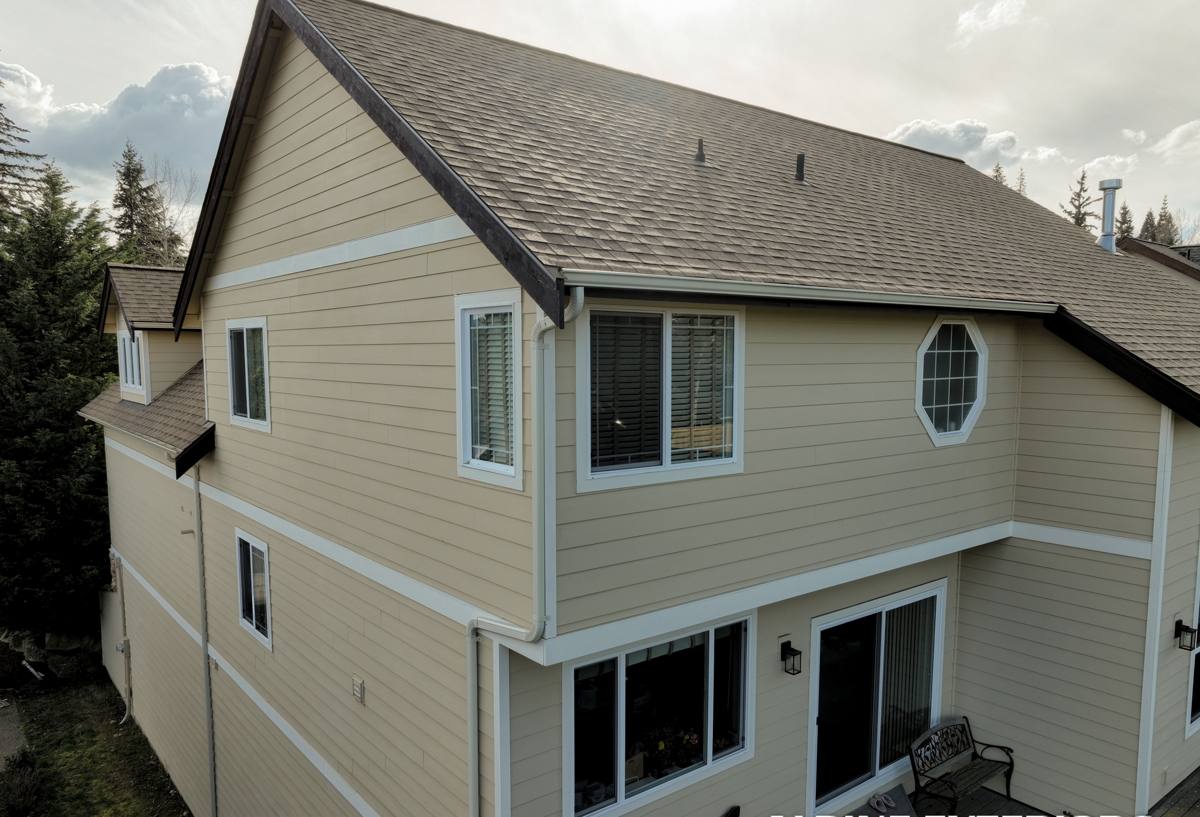
Why Bradenton Roofs Wear Differently
UV and Heat
Florida sun breaks down asphalt shingle granules, dries out sealant strips, and makes underlayment brittle over time. A roof that looks intact from the ground can have shingles that have lost their flexibility and adhesive strength, which shows up as lifted tabs and cracked seals during the next windstorm.
Wind-Driven Rain
Straight-down rain rarely causes leaks on a sound roof. It's rain pushed sideways under shingle edges, through nail holes, and around flashing by wind that finds the gaps. This is why so many Bradenton leak calls follow a windy squall rather than the heaviest rain event of the year.
Salt Air and Corrosion
Being close to the coast means airborne salt settles on roofing metal — flashing, drip edge, exposed fasteners, and vent stacks. Over years, this accelerates rust and pitting, especially on lower-grade or improperly coated metal, which is why we pay close attention to what metal components were used in a prior installation before we repair around them.
Hurricane and Tropical Storm Wind
Even roofs that never see a direct hurricane hit still take wind loads from tropical systems and seasonal storms passing through the Gulf. Repeated wind stress loosens fasteners and works shingle tabs free gradually, which is a slower but just as real cause of roof failure as a single big storm.
Common Repair Issues We See in Bradenton Homes
Every roof and every home is different, but certain problems show up again and again in this area:
- Lifted or missing shingles along ridge lines and roof edges, where wind uplift is strongest
- Cracked or failed pipe boot flashing around plumbing vents — often the single most common source of slow leaks
- Sealant failure and rusted fasteners at flashing points around chimneys, skylights, and wall intersections
- Soffit and fascia damage from prolonged moisture exposure, sometimes tied to gutter issues rather than the roof field itself
- Granule loss and brittle shingles from years of UV exposure, which weakens the roof's wind resistance even without visible damage
- Isolated storm damage — a section of shingles torn loose or damaged debris impact — rather than roof-wide failure
What a Correct Roof Repair Actually Involves
Diagnosis Before Anything Else
The most common mistake in roof repair isn't bad workmanship — it's fixing the wrong thing. Water can travel along the underlayment or decking before it shows up as a stain on a ceiling, so the visible leak location and the actual entry point are often several feet apart. A correct repair starts with tracing the path, not just patching where the water appeared.
Matching Materials, Not Just Covering Damage
A patch that doesn't match the existing shingle profile, color, or age can actually create a new weak point — mismatched materials expand and weather differently, which can open new gaps over time. We aim to blend repairs into the existing roof system as closely as the materials allow, understanding that some color variation is unavoidable once shingles have weathered in the sun for a few years.
Flashing and Fastening Done Right
A large share of "roof leaks" are actually flashing failures, not shingle failures. Proper repair means resealing or replacing flashing with corrosion-resistant material and fastening methods suited to coastal wind exposure, not just running a bead of sealant over the old metal and calling it done.
Code and Wind Compliance
Manatee County and the surrounding region follow Florida's high-velocity wind provisions for roofing work, which govern things like fastener patterns and underlayment requirements for repairs above certain thresholds. A repair that skips these isn't just a shortcut — it can affect insurance claims and future inspections tied to the roof.
Roofing Materials: Repair Considerations
How a roof repair is approached depends heavily on what material is already installed. Here's a general comparison of what homeowners in this area typically deal with:
| Material | Typical Repair Difficulty | Coastal Wind/UV Notes |
|---|---|---|
| Asphalt shingle (3-tab or architectural) | Moderate — matching color/age can be tricky on older roofs | UV causes granule loss over time; wind uplift targets edges and ridges first |
| Concrete or clay tile | Higher — individual tiles must be sourced and handled without cracking adjacent tiles | Very durable against UV; underlayment beneath tile is the usual failure point, not the tile itself |
| Metal roofing | Moderate — fastener and seam repair requires matching panel profile | Salt air accelerates corrosion at fastener heads and cut edges if not properly coated |
| Flat or low-slope (modified bitumen, TPO) | Specialized — seam and membrane repair needs material-specific technique | Ponding water and UV breakdown are the main long-term concerns |
Our Repair Process
We keep roof repair straightforward and honest, from the first call to the final walk-through:
- Inspection: We get on the roof (not just a ground-level look) to trace the actual source of the problem, not just the visible symptom.
- Explanation: We tell you what we found, what caused it, and what your realistic options are — repair now, monitor, or consider replacement if the roof's overall condition warrants it.
- Written estimate: A clear scope of work and price before anything is touched, no vague line items.
- Repair work: Matching materials where possible, proper flashing and fastening technique, and cleanup that leaves your property the way we found it.
- Documentation: Photos and notes on what was repaired, useful for your records or for insurance purposes if the damage was storm-related.
Signs Your Bradenton Roof Needs Repair Now
Some roof problems are urgent; others can be scheduled. This checklist covers the signs worth acting on quickly:
- Water stains on ceilings or interior walls, especially after a windy rain
- Missing, cracked, or curling shingles you can see from the ground
- Granules collecting in gutters or at downspout outlets
- Visible daylight through the attic roof deck
- Soft or spongy spots when walking the roof (a sign of decking damage beneath)
- Rust streaks below flashing or vent pipes
- Shingles or tiles displaced after a storm, even if no leak has shown up yet
That last point matters more than most homeowners realize — displaced or damaged roofing after a wind event is often the start of a leak, not the end of the problem, even if nothing has dripped inside yet.
Repair vs. Replacement: How We Decide
Not every damaged roof needs to be replaced, and not every roof is a good candidate for another repair. We generally weigh a few honest factors: how old the roof is relative to its expected lifespan, whether the damage is isolated or spread across multiple areas, whether the decking underneath is sound, and whether repeated repairs are starting to cost more over a few years than a replacement would. We'll tell you plainly which side of that line your roof falls on — our job is to give you an accurate picture, not to steer you toward the bigger job.
Why Local Experience in Bradenton Matters
A roofing crew that regularly works Bradenton and the broader Sarasota County and Manatee County area knows how these roofs actually fail — not from a textbook, but from having seen the same wind-uplift patterns, the same flashing failures, and the same UV wear show up job after job in this specific climate. That local familiarity also means we understand the wind and building code requirements that apply to repair work in this region, so a repair doesn't create a problem down the line with a future inspection, sale, or insurance claim. Roofing crews that mainly work in other climates sometimes miss details that matter here — like how much fastener corrosion resistance actually matters this close to the coast, or how quickly UV exposure ages sealant compared to further inland.
Get a Free, No-Pressure Roof Repair Estimate
If you're dealing with a leak, storm damage, or a roof that just needs a second opinion, we're happy to take a look and give you a straight answer — no pressure, no upsell. Fill out the form below to schedule a free estimate for your Bradenton home.