 Sarasota Roofing
 Siding Replacement for Bradenton Homes
Bradenton sits close enough to the water, and close enough to Sarasota's own coastal exposure, that its homes take a beating most inland markets never have to think about. Between salt-laden air off Tampa Bay and the Gulf, sustained summer humidity, intense UV load nearly every day of the year, and the real possibility of hurricane-force wind and wind-driven rain during storm season, exterior siding here is doing serious work. When it's the wrong material or a sloppy install, that work shows up fast — fading, buckling, soft spots, or worse.
Sarasota Roofing Co installs siding replacement projects for Bradenton homeowners as part of our regular Sarasota County service area. We install one product system: James Hardie fiber cement. This page walks through what Bradenton homes specifically need from a siding job, what correct installation actually involves, and how our process works from first call to final walkthrough.
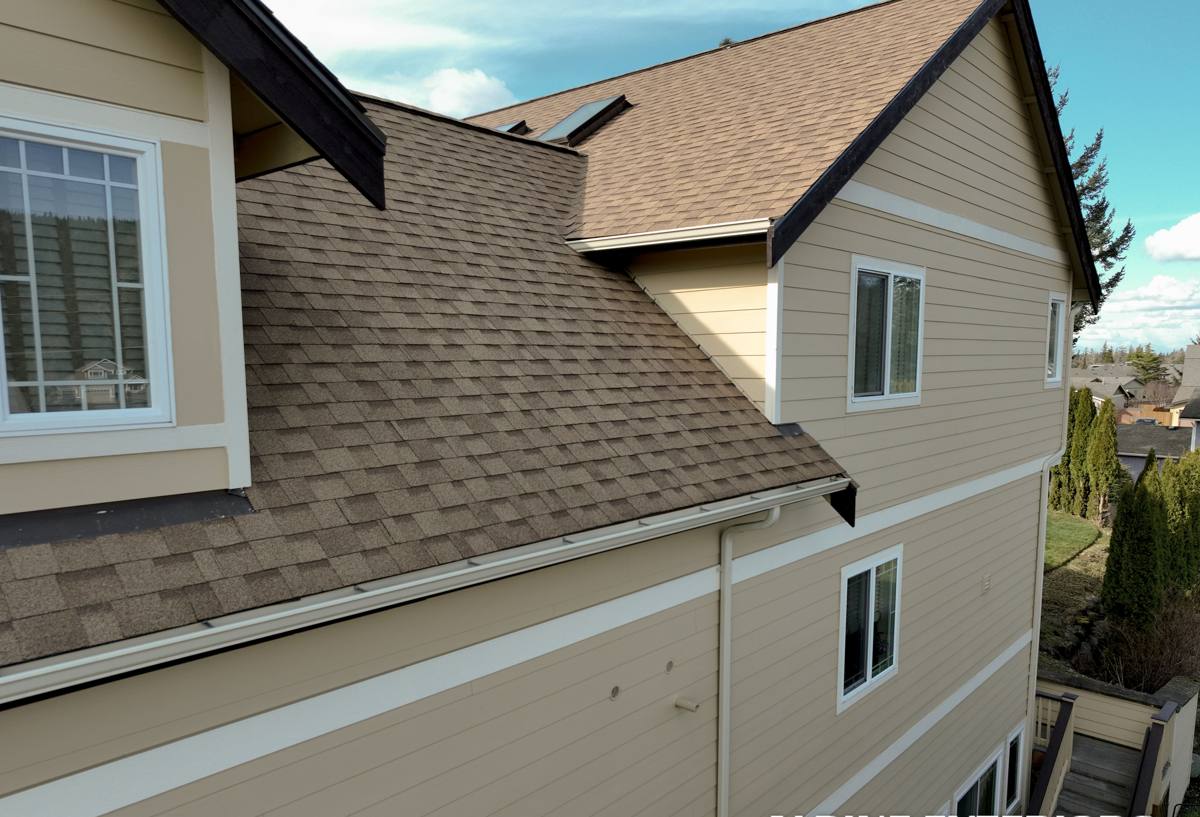
What Bradenton's Climate Does to Siding
Before talking about materials or installation, it's worth being specific about what siding on a Bradenton home is actually exposed to over a 20-30 year service life:
- Salt air: Even a few miles inland from the bay, airborne salt accelerates corrosion on fasteners, trim, and any metal components, and it degrades weaker coatings over time.
- UV exposure: Florida's sun is relentless nearly year-round. Cheap or thin factory finishes chalk, fade, and break down faster here than in almost any other part of the country.
- Humidity and moisture cycling: Siding on Gulf Coast homes goes through repeated wet-dry cycles. Materials that absorb moisture swell, and materials that don't manage water properly at seams and laps can trap it against the wall assembly.
- Wind-driven rain: During tropical storms and hurricanes, rain doesn't just fall — it's pushed sideways into every lap, joint, and penetration in the siding system. Flashing details and fastening patterns matter enormously here.
- Storm wind loads: Sarasota County sits in a wind zone where siding has to be rated and fastened to hold up under real hurricane-force gusts, not just cosmetic wind.
None of this is unique to Bradenton specifically, but it's the baseline every siding decision on this stretch of the Gulf Coast has to be measured against.
Why We Only Install James Hardie Fiber Cement
We get asked regularly why we don't offer vinyl, LP SmartSide, or other engineered wood siding options. The honest answer is that we standardized on James Hardie fiber cement because it's the product we trust to perform under exactly the conditions described above, over the long haul, without the maintenance headaches other materials tend to create in this climate.
Fiber cement is non-combustible, doesn't absorb moisture the way wood-based products do, and holds paint and factory finishes far longer under intense UV than vinyl or engineered wood typically does. James Hardie also engineers specific product lines (their "HZ" designations) for different climate zones, including humid, hot, coastal-influenced regions like ours — the boards are formulated for exactly this kind of exposure rather than a one-size-fits-all approach.
That's a deliberate professional standard on our part, not a claim that every other product is unusable. Vinyl and engineered wood siding have real markets and can work fine in the right context. We simply won't put our name on an installation using a material we don't think holds up to the standard we want for Bradenton's climate, wind exposure, and salt air.
What a Correct Fiber Cement Installation Involves
James Hardie siding is only as good as the installation behind it. A correct job for a Bradenton home includes:
- Removal of old siding down to the sheathing, with an inspection for hidden moisture damage or rot before anything new goes up.
- Repair or replacement of any compromised sheathing or framing found during teardown — covering over a problem doesn't make it go away.
- Installation of a proper water-resistive barrier (house wrap) with correctly lapped and taped seams, since this layer is the real defense against wind-driven rain getting behind the siding.
- Correct flashing at every window, door, corner, and penetration — this is where the majority of long-term leaks originate if it's rushed or skipped.
- Fastening patterns and fastener spacing that meet James Hardie's published specifications for the local wind zone, using corrosion-resistant fasteners suited to a coastal-influenced environment.
- Proper board clearance from grade, roof lines, and decking to keep the bottom edge of the siding from sitting in standing water or constant splash-back.
- Caulking and sealant only where Hardie's install specs call for it — over-caulking every seam can actually trap moisture instead of managing it.
Skipping or rushing any one of these steps is how a fiber cement installation ends up with problems that get blamed on the product, when the real cause was the install.
Signs Bradenton Homeowners Should Watch For
Not every Bradenton home needs full siding replacement immediately, but these are the signals worth taking seriously:
- Visible cracking, buckling, or warping in siding panels, especially after storm season.
- Soft or spongy spots when you press on the siding near the bottom edge or around windows.
- Paint or finish that's chalking heavily, fading unevenly, or peeling well before you'd expect.
- Persistent moisture, mold, or musty smells inside walls that back up to exterior siding.
- Gaps opening up at seams, corners, or trim boards.
- Old siding that's simply reaching the end of its realistic service life and has never had major work done.
If you're seeing more than one of these at once, it's worth having someone look at the whole wall assembly, not just patch the visible symptom.
How Our Siding Replacement Process Works
1. On-Site Assessment
We walk the exterior with you, look at current siding condition, check for moisture or structural issues, and talk through what's driving the replacement — storm damage, age, an upcoming renovation, or ongoing maintenance frustration.
2. Product and Color Selection
We go over the relevant James Hardie product lines and ColorPlus factory finish options so you're choosing based on how the board performs here, not just how it looks in a photo.
3. Written Estimate
You get a clear, itemized estimate before any work starts — no surprise change orders for scope we could have identified up front.
4. Tear-Off and Inspection
Old siding comes off, sheathing gets inspected, and any framing or moisture issues get flagged and addressed before new material goes up.
5. Weather Barrier and Installation
House wrap, flashing, and fiber cement siding go in following James Hardie's installation specifications for our wind zone and climate exposure.
6. Final Walkthrough
We review the finished work with you, confirm everything meets spec, and go over basic care so the siding performs the way it's designed to for the decades ahead.
Why Local Experience in the Bradenton and Sarasota Area Matters
A siding crew that regularly works Sarasota County homes already knows the wind zone requirements, the permitting expectations, and the specific ways Gulf Coast exposure stresses an exterior wall assembly. That's different from a crew that installs siding occasionally and treats every coastal job as a one-off. Local experience shows up in details: how flashing is detailed around window returns in a house exposed to sideways rain, how fastener spacing is handled for wind uplift, and how a crew sequences a job around Florida's afternoon storm patterns so the wall assembly isn't left exposed longer than it needs to be.
Cost Factors for Siding Replacement
Every home is different, but these are the main variables that drive the scope and cost of a siding replacement project:
| Factor | Why It Matters |
|---|---|
| Home size and wall complexity | More square footage, more corners, dormers, and roof lines mean more material and labor. |
| Condition of existing sheathing | Hidden rot or moisture damage found during tear-off adds repair scope before new siding can go up. |
| James Hardie product line selected | Different board profiles and textures (lap, shingle-style, panel) carry different material costs. |
| ColorPlus finish vs. field paint | Factory-applied ColorPlus finish costs more up front but is engineered for UV and coastal durability. |
| Trim, fascia, and soffit scope | Replacing trim and soffit alongside siding adds cost but avoids mismatched materials and future callbacks. |
| Access and site conditions | Tight lots, tall walls, or landscaping obstacles affect labor time and equipment needs. |
We'll walk through which of these apply to your home specifically during the on-site assessment, so the estimate reflects your actual project rather than a generic average.
Get an Estimate for Your Bradenton Home
If your siding is showing its age, took a hit last storm season, or you're simply ready to stop maintaining a material that isn't holding up to the Gulf Coast climate, we're glad to take a look. Reach out for a free, no-pressure estimate using the form below, and we'll walk your Bradenton property with you and talk through what a correct James Hardie installation would look like for your home.