 Sarasota Roofing
 Siding Repair Built for Bradenton's Coastal Climate
Bradenton sits close enough to Tampa Bay and the Gulf that its homes take a different kind of beating than siding further inland. Between the salt-laden air blowing off the water, the relentless summer UV index, and the wind-driven rain that comes with every strong storm system moving through the region, siding here ages faster than manufacturers' glossy brochures suggest. When we get a call for siding repair in this part of Sarasota County, we're rarely looking at cosmetic wear alone — we're usually looking at the early signs of moisture intrusion, fastener failure, or panel separation that started small and got ignored.
This page is about one thing: repairing siding on Bradenton homes correctly, with materials that are built to survive the conditions this area actually produces. We install and repair James Hardie fiber cement exclusively — we don't patch vinyl, LP SmartSide, Cemplank, Allura, or bare wood siding, and we'll explain why below.
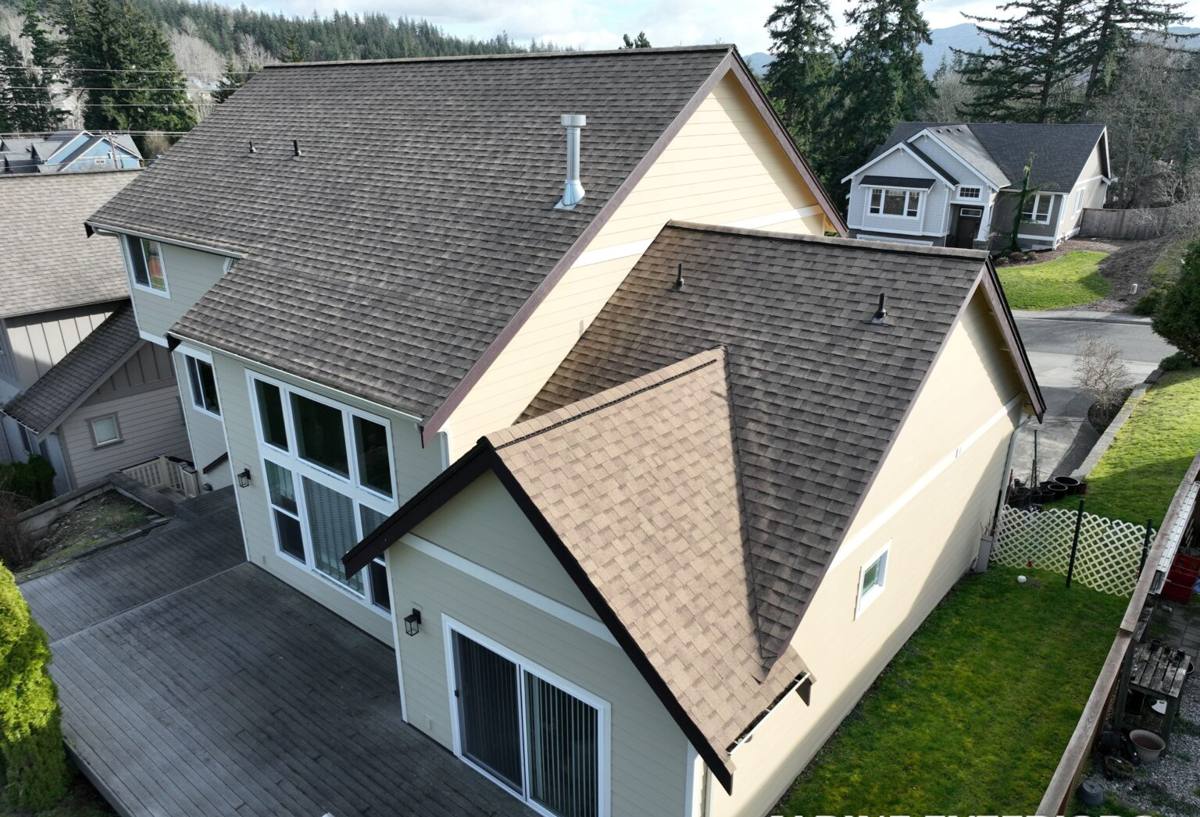
What Bradenton's Climate Does to Siding Over Time
Salt Air and Corrosion
Homes within several miles of Tampa Bay and the Gulf coastline are exposed to airborne salt that settles on exterior surfaces and accelerates corrosion of fasteners, trim flashing, and any metal components tied into the siding system. Over years, corroding nails or staples loosen their grip, and panels that once sat flush start to separate at the seams — which is exactly where water gets in.
UV Exposure Year-Round
Florida doesn't give siding an off-season. Constant, intense UV breaks down cheaper coatings, fades color, and dries out organic materials like wood and some composite products, making them brittle and prone to cracking. Paint films chalk and thin faster here than in most of the country, which is why a factory-applied, UV-stable finish matters so much in this market.
Wind-Driven Rain and Hurricane Gusts
Bradenton sees tropical systems and strong seasonal storms that push rain sideways into wall assemblies under real pressure. Siding that isn't installed with the right clearances, fastening pattern, and flashing detail will let that wind-driven rain behind the panels — and once moisture gets into the wall cavity, it doesn't dry out fast in Florida's humidity. That combination of intrusion plus slow drying is the root cause of most of the rot and mold damage we find during repair calls.
Common Siding Problems We See on Bradenton Homes
- Panel separation and gapping — caused by corroded or improperly spaced fasteners, or by original installation that didn't account for material expansion.
- Soft or spongy spots — usually a sign of moisture trapped behind the siding, often around window and door penetrations.
- Cracked or split panels — from wind impact, UV embrittlement, or improper fastening that stressed the material.
- Bubbling, peeling, or chalking finish — a sign the surface coating has failed and is no longer protecting the substrate underneath.
- Staining or discoloration at seams and corners — often the first visible clue of water tracking behind the siding before real damage shows.
- Buckling or warping — common with wood and some composite sidings that absorb humidity and swell, then dry and shrink repeatedly.
Most of these issues start small. A single loose panel or a hairline crack near a corner post doesn't look urgent, but it's an entry point. Left alone through one more Gulf Coast summer, it usually turns into a section of sheathing that needs to be opened up, dried out, and replaced along with the siding — a bigger job than the original repair would have been.
What a Correct Siding Repair Actually Involves
A proper repair isn't just swapping a damaged panel for a new one. It starts with figuring out why that panel failed in the first place, because replacing it without addressing the cause just resets the clock on the same problem.
Our repair process
- Diagnose the cause, not just the symptom. We check flashing, fastener condition, caulking at penetrations, and whether water has tracked into the wall assembly beyond the visible damage.
- Inspect the substrate. If sheathing or framing behind the siding has taken on moisture damage, that gets addressed before any new siding goes back up — covering rot with new siding just hides a problem that keeps growing.
- Match materials correctly. Replacement panels need to match the existing profile, exposure, and ColorPlus finish so the repair blends in rather than standing out as an obvious patch.
- Fasten and flash to spec. This is where a lot of original installations — and a lot of quick patch jobs — fall short. Correct nailing pattern, clearance from grade and roofline, and properly lapped flashing are what keep wind-driven rain out going forward.
- Seal and finish. Joints, corners, and trim get sealed with products rated for Florida's UV and humidity, not general-purpose caulk that will fail again in a year or two.
Why We Repair Only With James Hardie Fiber Cement
We don't do siding repairs with vinyl, LP SmartSide, Cemplank, Allura, or primed wood, and that's a deliberate standard, not an oversight. Fiber cement handles this climate differently than the alternatives:
| Factor | James Hardie Fiber Cement | Common Alternatives |
|---|---|---|
| Combustibility | Non-combustible core | Vinyl and engineered wood are combustible |
| Moisture behavior | Engineered to resist swelling and rot | Wood-based products can absorb moisture and degrade |
| UV/finish stability | Factory ColorPlus finish, formulated for fade resistance | Field-applied or thinner factory coatings fade and chalk faster |
| Wind/impact resistance | Dense fiber cement resists cracking and impact damage | Vinyl can crack or blow off in high wind; wood composites can dent |
| Warranty structure | Strong, transferable manufacturer warranty when installed to spec | Varies widely; often shorter or non-transferable |
To be fair to those other products: vinyl is inexpensive and easy to install, and engineered wood sidings can look good and go up quickly. Those aren't imaginary advantages. But on a coastal Florida home taking direct salt air, sustained UV, and wind-driven rain, we've made maintenance burden, moisture performance, and long-term durability our priority over upfront cost or install speed — which is why James Hardie is the only product we put on a wall or use to repair one.
Why It Matters to Hire a Crew That Already Works in Bradenton
Siding repair looks straightforward from the outside, but the details that actually keep water out are specific to this coastal environment. A crew that mostly works inland climates may not think twice about fastener corrosion resistance near the bay, or about how tightly to seal penetrations against wind-driven rain during a tropical system. A crew that regularly works Bradenton and the surrounding Sarasota County coastline already knows which corners of a home take the worst exposure, what fails first, and how to detail a repair so it holds up through the next hurricane season — not just until the next one.
There's also a practical side: a local crew can respond faster when storm damage needs a repair scheduled before the next system comes through, and they're accountable in the community they work in, not a name that shows up after a storm and disappears.
Signs It's Time to Call for a Repair Estimate
- Visible gaps, cracks, or warping in any siding panel
- Soft spots when you press gently on the siding surface
- Peeling, bubbling, or heavy chalking on the finish
- Staining or dark streaks near seams, corners, or window trim
- Panels that have shifted, loosened, or show fastener heads backing out
- Musty smell or visible interior wall staining near an exterior wall
Any one of these on its own might be minor. Several together, or damage that's been there through more than one storm season, usually means it's worth having someone look before the next round of wind-driven rain finds its way in.
What to Expect From an Estimate
When we come out to look at a repair, we're evaluating the full picture: the extent of visible damage, whether moisture has gotten behind the siding, the condition of flashing and fasteners, and whether the repair is isolated or points to a broader issue with the original installation. You'll get a straight explanation of what we found, what needs to happen to fix it correctly, and what that involves — no pressure, no upsell beyond what the home actually needs.
If you're dealing with damaged, aging, or storm-affected siding on a Bradenton home, we're happy to take a look and give you an honest read on what it needs. Reach out below for a free, no-pressure estimate.