 Sarasota Roofing
 Bradenton Siding Has to Work Harder Than Siding Almost Anywhere Else
Bradenton sits close enough to the Gulf that its homes take on a specific mix of punishment: tropical storm and hurricane-force wind events, some of the most intense year-round UV exposure in the continental United States, wind-driven rain that gets pushed sideways into wall assemblies, and a steady drift of salt air off the coast. Any one of those on its own is manageable. Together, over years, they expose every weakness in a siding product and every shortcut in an installation. A siding job that looks fine on day one in Bradenton can start failing within a few seasons if the material or the install wasn't built for this specific combination of stressors.
This page is about one job, done right, in one area: fiber cement siding installation for homes in and around Bradenton. Not a general siding overview — the specifics that matter here.
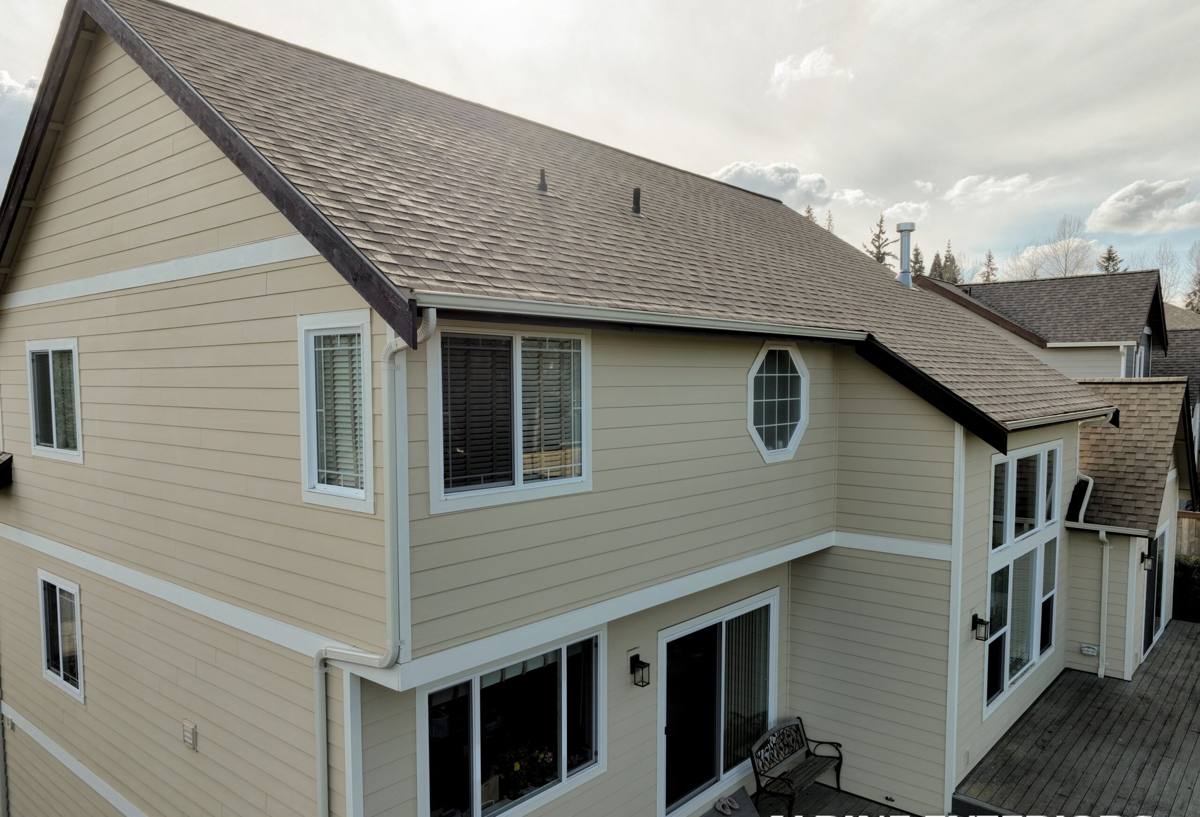
What Bradenton's Climate Actually Does to Siding
Wind
Wind load is the first thing that separates siding products in this market. Panels and planks need to stay fastened and flat through repeated high-wind events, not just survive one storm. Fastener pattern, panel engineering, and how the product handles at butt joints and corners all matter more here than in a low-wind climate.
UV
Sarasota County gets sun exposure that fades and breaks down poorly formulated coatings faster than most of the country experiences. Paint-grade siding painted on-site is especially vulnerable — the finish is only as good as the coat applied and the schedule it's maintained on.
Wind-driven rain
Storms here don't just drop rain, they drive it horizontally into wall surfaces, laps, and penetrations. Siding that isn't detailed correctly at seams, window and door trim, and flashing points will let water track behind the cladding even if the surface material itself is fine.
Salt air
Being near the Gulf means airborne salt is a constant, low-level presence on exterior surfaces, fasteners, and trim. Materials and hardware that aren't suited for coastal-adjacent conditions corrode or degrade faster than their inland ratings would suggest.
What Bradenton Homes Actually Need From Their Siding
Given all of that, siding on a Bradenton home needs to do four things well: hold up structurally under wind load, resist moisture intrusion at every joint and penetration, keep its color and finish under constant sun without chalking or fading unevenly, and tolerate salt-laden air without the fasteners or trim failing first. A product that does three of the four isn't good enough — the fourth is what shows up as a callback a few years later.
Why We Only Install James Hardie Fiber Cement
We install James Hardie fiber cement siding exclusively. We don't install vinyl, LP SmartSide, primed wood, or cedar, and that's a deliberate professional standard, not a sales preference. Vinyl softens, warps, and can crack under sustained heat and wind load, and it doesn't hold paint if a homeowner ever wants to change color. Wood-based and engineered wood products depend on an intact factory coating and disciplined caulking maintenance to keep moisture out — miss a maintenance cycle in a climate this humid and this sun-baked, and the product's weak points show up fast.
Hardie fiber cement is non-combustible, engineered specifically for high-humidity, storm-prone climates in its HZ5 product line, and finished with the ColorPlus factory baked-on finish rather than field-applied paint, which is the single biggest factor in how well a color holds up under Bradenton sun. It also carries a strong transferable warranty when installed to manufacturer specification — which is the operative phrase, because the warranty and the product's real-world performance both depend on correct installation, not just correct material.
What a Correct Fiber Cement Installation Involves
Fiber cement is not a forgiving product to install poorly. It's heavier and less flexible than vinyl, and it requires specific tools, fastening patterns, and clearances to perform the way it's engineered to. A correct installation in a wind- and moisture-exposed area like Bradenton includes:
- A proper water-resistive barrier and correctly lapped house wrap behind the siding, not just whatever was already on the wall
- Rainscreen or drainage clearance where conditions call for it, so incidental moisture can drain and dry instead of sitting against the wall
- Correct fastener type, spacing, and embedment depth — corrosion-resistant fasteners suited to salt-air exposure, driven per manufacturer spec rather than "close enough"
- Proper clearance at grade, roofline, and any horizontal surface so the bottom edge of the siding isn't sitting in standing water or debris
- Correctly flashed and sealed penetrations at windows, doors, hose bibs, vents, and any other wall penetration
- Factory-cut edges primed or sealed where field cuts expose raw material
- Panel and plank joints installed per Hardie's specified overlap and gap tolerances, not compressed tight or left with unsealed gaps
Skip any one of these and the siding can still look right for a while. The problems that show up from a rushed or under-detailed install in this climate are almost always moisture-related, and they usually surface behind the siding before they're visible from the outside.
Fiber Cement vs. Other Siding Options for a Bradenton Home
| Factor | James Hardie Fiber Cement | Vinyl | LP SmartSide / Engineered Wood |
|---|---|---|---|
| Wind performance | Engineered for high-wind climates (HZ5 line) | Can deform or detach under sustained high wind | Adequate if installed and maintained correctly |
| UV / color retention | Factory ColorPlus finish, formulated for fade resistance | Can fade and become brittle with prolonged sun exposure | Depends on factory coating quality and upkeep |
| Moisture behavior | Non-combustible, dimensionally stable, resists moisture damage when sealed per spec | Generally water-resistant but can trap moisture behind panels | Wood-based core is vulnerable if coating or caulking fails |
| Salt air / corrosion exposure | Performs well with corrosion-resistant fastening | Hardware and trim can corrode over time | Depends heavily on maintenance discipline |
| Maintenance burden | Low — periodic caulk and inspection | Low, but limited repair/repaint options | Higher — coating and joint maintenance is ongoing |
What Affects the Cost of a Bradenton Fiber Cement Siding Job
Every home is different, so we don't publish flat pricing, but the main cost factors on a Bradenton fiber cement project are consistent:
| Cost Factor | Why It Matters |
|---|---|
| Home size and wall complexity | More corners, gables, and dormers mean more cuts, trim, and labor time |
| Current wall condition | Rot, damaged sheathing, or a failed water-resistive barrier found during tear-off adds repair scope before new siding goes on |
| Product line and profile | Lap width, panel style, and trim selections affect material cost |
| Access and site conditions | Landscaping, fencing, and setbacks affect staging and labor efficiency |
| Full re-side vs. partial repair | Full tear-off and re-wrap costs more upfront but resets the whole moisture barrier system correctly |
Our Process for Bradenton Projects
The process starts with an on-site inspection of the existing siding, sheathing, and any problem areas — around windows, at the roofline, and near grade, since those are the spots that show trouble first in this climate. From there we walk the homeowner through product line and color selection, confirm scope in writing, and schedule around weather rather than around a fixed calendar date, since a wind-driven rain event mid-install is a real risk on the Gulf Coast and not something worth rushing through.
During install, the old siding and any compromised wrap or sheathing comes off, the wall gets a correctly lapped water-resistive barrier, and Hardie fiber cement goes on to manufacturer spec — fastener pattern, clearances, and flashing included, not just the visible lap lines. We do a final walkthrough with the homeowner before calling the job done, and we register the warranty paperwork so it's tied to the home, not just the invoice.
Ongoing Care for Fiber Cement Siding in a Coastal Climate
Fiber cement is low-maintenance compared to painted wood or engineered wood products, but "low-maintenance" isn't "no-maintenance" in a climate like this one. A simple annual routine keeps it performing the way it's designed to:
- Rinse the siding periodically to clear salt residue, pollen, and organic buildup, especially on north- and shade-facing walls
- Inspect caulking at joints, trim, and penetrations once a year and re-caulk anywhere it's cracked or pulled away
- Check for and clear any vegetation or mulch buildup against the bottom edge of the siding
- Walk the exterior after any major storm to check for impact damage or lifted trim before small issues become water intrusion
- Keep gutters and downspouts clear so roof runoff isn't sheeting down the wall face
Why Hiring a Crew That Already Works in Bradenton Matters
Fiber cement installation isn't uniform across every market it's sold in — the correct detailing for a wind- and moisture-exposed Gulf Coast property is different from what a manufacturer's generic install guide covers for a mild inland climate. A crew that regularly works Sarasota County jobs already knows how local wall assemblies are typically built, what problem areas tend to show up on Bradenton homes specifically, and how to detail flashing and clearances for wind-driven rain rather than just following a generic checklist. That local repetition is what keeps a fiber cement installation performing the way it's supposed to for the long haul, not just for the first storm season.
If you're weighing a fiber cement siding project for a Bradenton home, we're glad to take a look and give you a straightforward, no-pressure assessment of what your home actually needs. Use the form below to request a free estimate.