 Sarasota Roofing
 Roof Replacement in Bradenton, Built for Where You Live
Bradenton sits in that stretch of Southwest Florida coastline where a roof earns its keep. Between hurricane-season wind loads, sun that beats down on shingles nearly every day of the year, wind-driven rain that finds every weak seam, and salt-laden air rolling in off Tampa Bay and the Gulf, a roof here ages differently than one inland or up north. We're a Sarasota-based crew that regularly works in and around Bradenton, and this page covers what a full roof replacement actually involves for homes in this specific area — not a generic national overview.
A roof replacement is a bigger decision than a repair, and it should be. Done right, it resets the clock on your home's most important weather barrier for fifteen to twenty-five years or more, depending on material. Done wrong — skipped deck inspection, wrong nailing pattern, underlayment that doesn't match the exposure — it can fail years before it should, sometimes in ways that don't show up until a storm finds the gap.
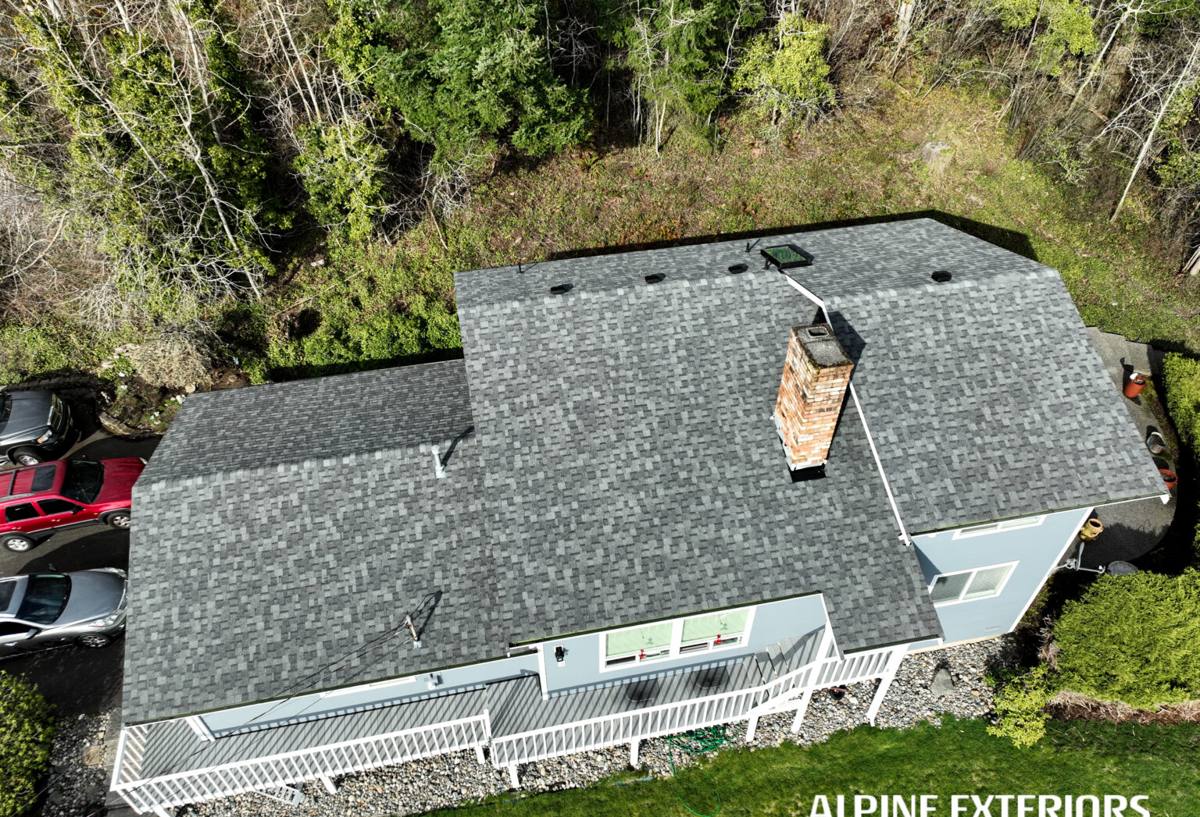
Why Bradenton's Climate Is Hard on Roofs
It helps to understand what's actually working against your roof, because it shapes almost every decision in a replacement.
Wind
Bradenton sits close enough to the coast that tropical storm and hurricane wind loads are a real design factor, not a checkbox. Florida Building Code wind-uplift requirements exist because roofs in this part of the state genuinely need them — fastening pattern, nail type, and starter strip installation all affect how well a roof resists uplift at the edges and corners, which is where failures usually start.
UV exposure
Florida gets more direct sun, more days a year, than almost anywhere else in the country. UV breaks down asphalt shingle oils and accelerates granule loss, which is why an identical shingle product often performs differently here than it does in a milder climate — and why manufacturer warranty terms sometimes read differently for Florida installs.
Wind-driven rain
It's not just how much it rains — it's the angle. Wind-driven rain gets pushed sideways and upward under shingle tabs, around flashing, and into any gap that a calmer rain would never reach. Underlayment choice and flashing detail work matter more here than in places where rain mostly falls straight down.
Salt air
Proximity to the Gulf and Tampa Bay means airborne salt settles on roofing components and accelerates corrosion on exposed metal — nails, flashing, vents, and fasteners. Material choice and hardware grade matter more this close to the coast than they do further inland.
Signs a Bradenton Roof Needs Replacement, Not Just Repair
Not every roof problem calls for a full tear-off. Part of an honest estimate is telling you when a repair is genuinely enough. Replacement usually makes more sense when you're seeing:
- Shingles that are curling, cupping, or losing granules across large sections rather than one isolated spot
- Multiple past repairs that keep reappearing in different spots — a sign the underlying deck or underlayment is failing, not just the surface
- Visible sagging anywhere on the roofline, which can point to deck or structural issues
- Daylight visible through the attic decking, or recurring leaks after normal rain (not just wind-driven storms)
- A roof that's approaching or past the manufacturer's expected lifespan for its material and this climate
- Storm damage significant enough that patch repairs would leave mismatched, weaker sections
What a Correct Roof Replacement Actually Involves
A roof replacement is more than swapping old shingles for new ones. The parts that don't show once the job is done are usually the parts that determine whether it lasts.
Full tear-off and deck inspection
We remove the existing roofing material down to the deck rather than layering over it. That's the only way to actually see the plywood or OSB underneath — soft spots, water staining, or delamination need to be found and replaced before anything new goes on. Roofing over a compromised deck just hides the problem until it's more expensive to fix.
Underlayment matched to exposure
Underlayment is your backup water barrier if wind ever lifts or damages the surface material. In a wind-driven-rain climate like this one, we pay particular attention to underlayment type and how it's installed at eaves, valleys, and penetrations — not just laid flat across the field.
Flashing and penetration details
Chimneys, vents, skylights, and wall transitions are where most leaks actually originate — not the open field of shingles. Flashing has to be properly integrated with the underlayment and new roofing, not just caulked and hoped for.
Fastening to code
Nail type, count, and placement affect wind-uplift resistance directly. Florida Building Code has specific requirements for this region's wind zone, and we follow them as a baseline, not a minimum to shave.
Ventilation
Attic ventilation affects both shingle temperature (and therefore lifespan) and moisture control. A replacement is the right time to correct ventilation that's inadequate for the home, since intake and exhaust balance is much harder to fix after the fact.
Material Options for Bradenton Homes
There's no single "right" roofing material — the right choice depends on your budget, how long you plan to stay in the home, your roof's slope and structure, and how much maintenance you want to think about. Here's how the common options compare for this climate:
| Material | Typical Lifespan Here | Wind Performance | Maintenance | Relative Cost |
|---|---|---|---|---|
| Architectural asphalt shingle | 15–25 years | Good, when rated and installed for local wind zone | Low to moderate | Lower upfront |
| Metal (standing seam or coated panel) | 30–50 years | Excellent when properly fastened | Low; watch fastener condition near coast | Higher upfront |
| Concrete or clay tile | 30–50 years | Very good; individual tiles can dislodge in extreme wind | Moderate; underlayment beneath tile still ages and needs eventual replacement | Highest upfront |
We don't push one material as universally superior — each comes with real trade-offs. Tile, for example, can last decades, but the underlayment beneath it is doing a lot of the actual waterproofing work and has its own service life; when that underlayment fails, tiles often need to come off and go back on, which affects long-term maintenance cost even though the tile itself looks fine. Metal has excellent wind and longevity performance but a higher upfront investment. Asphalt shingle remains the most common choice because it balances upfront cost, performance, and appearance reasonably well for most homes. We'll walk through which fits your roof structure, budget, and how long you're planning to own the home.
Our Roof Replacement Process
- On-site inspection and estimate — we look at your current roof, attic ventilation, and any problem areas, and give you a straightforward written estimate with no pressure to decide on the spot.
- Material selection — we go over the realistic options for your home and budget, including manufacturer warranty terms that apply to this wind zone.
- Permitting — roof replacements in this area require a building permit; we handle the application and inspections so you're not chasing paperwork.
- Tear-off and deck inspection — old material comes off, the deck is inspected and repaired where needed, before anything new is installed.
- Underlayment, flashing, and installation — installed to Florida Building Code fastening and flashing requirements for this wind zone.
- Final walkthrough and cleanup — we walk the finished roof with you, run a magnetic sweep for stray nails in the yard and driveway, and haul away all debris.
- Documentation — you get paperwork for warranty registration and, where applicable, materials useful for insurance or wind-mitigation purposes.
Permits, Insurance, and Wind Mitigation
Roof replacements in Manatee and Sarasota counties are permitted work, and inspections are part of the process — that's not red tape to route around, it's a second set of eyes confirming the installation meets code. It's worth doing right the first time, since a permitted, code-compliant roof is also what insurance carriers and future buyers will want to see documented.
A new roof can also affect your homeowners insurance. Many carriers offer credits for updated roofing material, age, and verified wind-resistant installation features, often documented through a wind mitigation inspection after the work is done. We can't quote your insurance savings — that's between you and your carrier — but we'll make sure the installation itself is done in a way that supports whatever wind mitigation credits you may be eligible for.
Why a Crew That Already Works Bradenton Matters
Roofing knowledge that only exists in general terms doesn't always translate cleanly to a specific coastal market. A crew that regularly works Bradenton and the surrounding Sarasota-Manatee area already knows the local permitting offices, the inspection process, the wind zone requirements that apply here, and the way this coastal climate actually treats different roofing materials over time — not just what a spec sheet says. That local familiarity tends to mean fewer surprises: permit delays, inspection back-and-forth, and material mismatches for the climate are the kinds of problems that show up more often with crews unfamiliar with the area.
It also means faster response if something comes up after a storm. A crew already working in your area isn't starting from scratch to get a truck to your street.
Choosing a Roofing Contractor: What to Actually Check
Roofing has real barriers to entry done right, and real ways to cut corners that aren't obvious until years later. Before hiring anyone for a roof replacement, it's worth confirming:
- Current Florida roofing license and active liability and workers' compensation insurance — ask to see documentation, not just a claim
- A written estimate that specifies materials, underlayment type, and fastening approach, not just a total price
- Whether they pull their own permits and handle inspections directly
- A clear explanation of manufacturer warranty terms, including what's covered by workmanship versus material defects
- Local references or a track record of work in this specific area, not just a general service area claim
- A plan for deck inspection and repair pricing before tear-off begins, not a surprise change order mid-project
Get a Straightforward Estimate
If your roof is showing its age, took storm damage, or you're just trying to plan ahead before the next hurricane season, we're happy to take a look and give you an honest read on repair versus replacement — no pressure either way. Fill out the form below for a free estimate from a crew that already knows Bradenton.